November Birth Flower: Chrysanthemum Meaning, Colors and Care
The November birth flower is the chrysanthemum. Learn what mums symbolize, the meaning of each color, cultural traditions and how to grow and care for them.
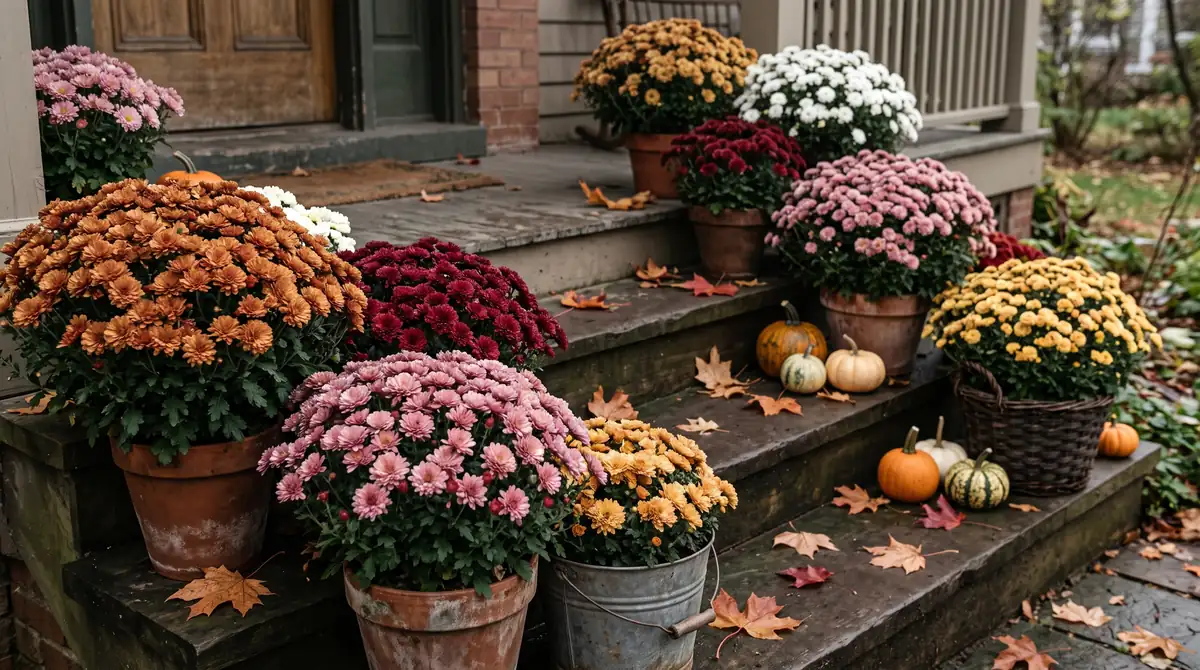
The November birth flower is the chrysanthemum, and some lists add the peony as a second choice. Mums stand for joy, optimism, loyalty and long life, and each color adds its own meaning: red for love, yellow for friendship and white for honesty. Hardy garden mums grow in full sun and well-drained soil in zones 5 to 9 and bloom from late summer through fall.
Chrysanthemum: The November Birth Flower
The chrysanthemum, or mum, is the official birth flower for November. It blooms when most of the garden is fading, filling late fall with gold, bronze, burgundy, pink and white. That timing is a big part of why it became the month’s flower.
Chrysanthemums belong to the daisy family, Asteraceae. The name comes from the Greek words chrysos, meaning gold, and anthemon, meaning flower, because the earliest cultivated types were mostly yellow.
This guide explains what chrysanthemums symbolize, what each color means, how meanings change around the world and how to grow and care for mums so they return year after year. It also covers safe gift ideas and pet safety.
Key takeaways
- The chrysanthemum is the November birth flower, and some lists add the peony as a second choice.
- Mums generally symbolize joy, optimism, loyalty and long life.
- Red means love, yellow means friendship and cheer, and white means honesty and loyalty.
- In parts of Europe and Asia, white mums are linked to mourning, so check local customs before gifting.
- Hardy garden mums grow in zones 5 to 9 with full sun and well-drained soil.
What Chrysanthemums Symbolize
In most of the United States, chrysanthemums stand for joy, optimism and friendship. Their cheerful color in the cooler months makes them a symbol of good spirits and resilience when the days grow short.
The flower is also strongly linked to long life and loyalty. In China and Japan, it has represented longevity, nobility and rebirth for centuries, and it often appears in art, poetry and festivals tied to autumn.
As a birth flower, the chrysanthemum is said to reflect people born in November as warm, honest and loyal friends. Like the mum itself, they are said to shine brightest when others are fading.
Chrysanthemum Meaning by Color
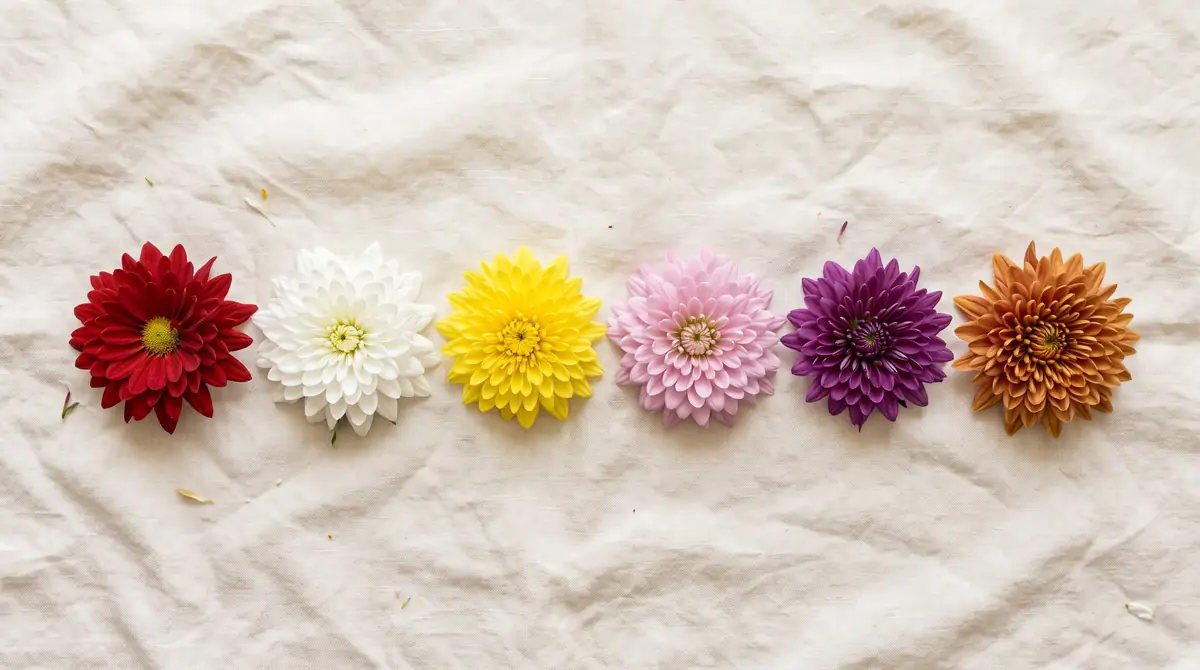
Each chrysanthemum color carries its own message. Choose the shade that matches what you want to say, whether that is love, friendship, sympathy or simple congratulations.
| Color | Common meaning | Good for |
|---|---|---|
| Red | Love, passion and deep affection | Partners, anniversaries |
| White | Honesty, loyalty and purity; mourning in parts of Europe and Asia | Sympathy, remembrance |
| Yellow | Joy, friendship and good cheer | Friends, birthdays, get well |
| Pink | Affection, gentleness and admiration | Mothers, new babies, thank you |
| Purple | Thoughtfulness and wishes for recovery | Get well, encouragement |
| Orange and bronze | Enthusiasm, warmth and the harvest season | Fall celebrations, Thanksgiving |
In the Victorian language of flowers, yellow mums sometimes hinted at slighted love. Today that older meaning is rarely used, and yellow is mostly seen as a happy, friendly color.
Chrysanthemums Around the World
China
Chrysanthemums were grown in China as early as the 15th century BC, first as a medicinal herb. They became one of the Four Gentlemen of Chinese art, along with plum blossom, orchid and bamboo, and still symbolize long life and nobility.
Japan
The chrysanthemum arrived in Japan around the 8th century and became a symbol of the emperor. A 16-petal chrysanthemum appears on the Imperial Seal, and the throne is known as the Chrysanthemum Throne. The flower is called kiku in Japanese.
Europe
In France, Belgium, Italy, Poland and several other European countries, chrysanthemums are closely tied to remembrance. They are placed on graves for All Saints’ Day on November 1, so they are rarely given as cheerful gifts there.
Australia and the United States
In Australia, the chrysanthemum is the traditional Mother’s Day flower, partly because Mother’s Day falls in autumn there and partly because of the nickname mum. In the United States, mums are a classic fall decoration and a popular, upbeat gift.
Popular Chrysanthemum Types and Flower Forms
Garden centers sell two main groups. Hardy garden mums are bred to survive winter outdoors. Florist mums, often sold in foil-wrapped pots, are grown for gifts and indoor display and are less likely to return after winter.
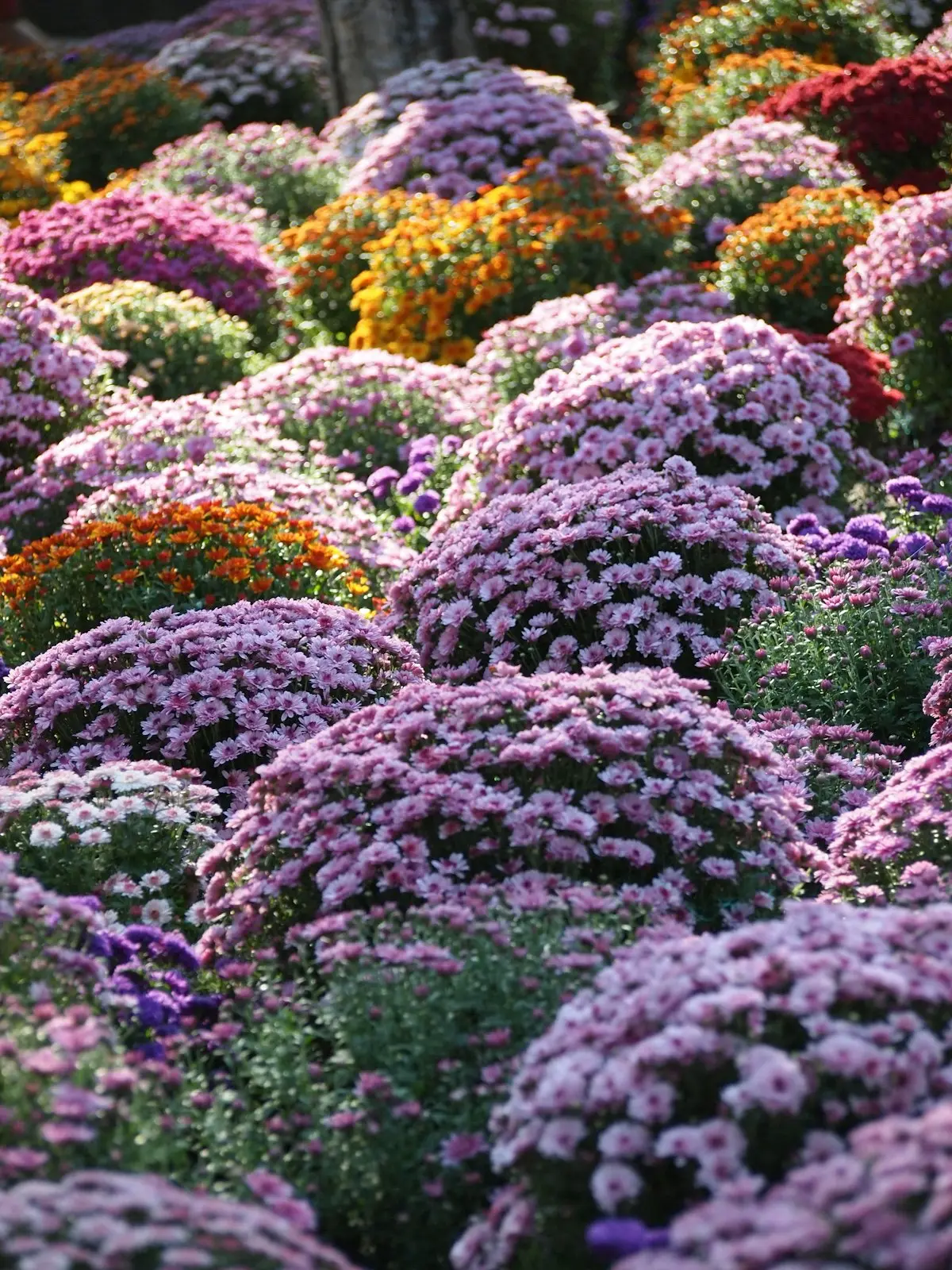
The National Chrysanthemum Society in the United States groups flowers into 13 classes by shape. Common forms include pompon mums with small round heads, spider mums with long tubular petals, spoon mums with spoon-shaped petal tips and daisy-like single mums with a visible center.
Large incurve and reflex mums, sometimes called football mums, have big globe-shaped blooms used in corsages and exhibitions. Cushion mums form low, mounded plants covered in flowers and are the type most often sold for fall containers.
November’s Second Birth Flower
Some modern birth flower lists name the peony as a second November flower, often as a choice for people who prefer a softer, romantic bloom. Peonies symbolize prosperity, good fortune and a happy marriage.
Peonies bloom in late spring, not November, so they are usually given as cut flowers or used in jewelry, art and gifts. The chrysanthemum remains the traditional and most widely recognized November birth flower.
How to Grow Chrysanthemums
Hardy garden mums grow as perennials in USDA zones 5 to 9. For the best chance of them returning, plant in spring or early summer so the roots have months to settle in before winter. Fall-planted mums often have too little time to establish.
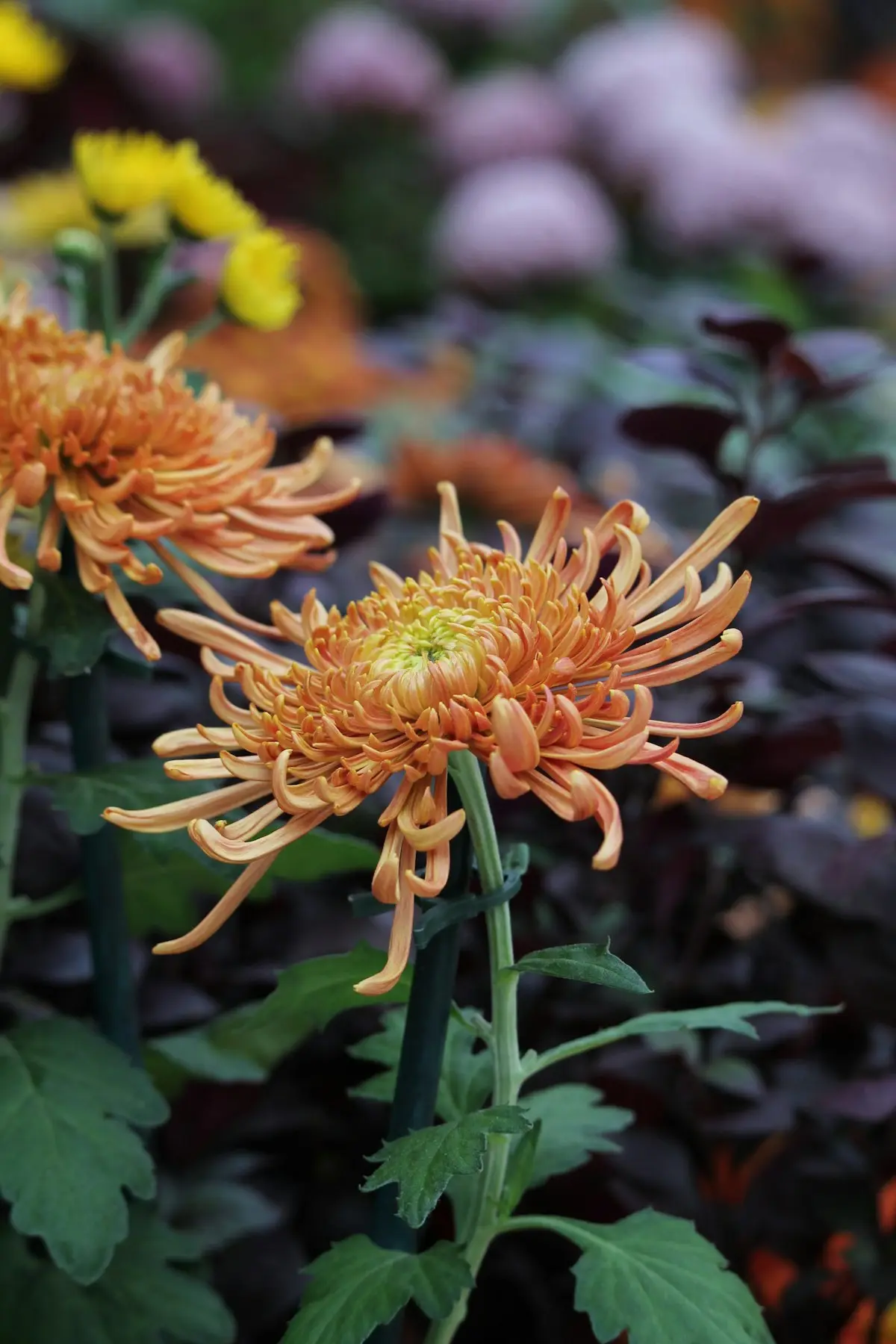
Choose a spot with at least six hours of direct sun. Mums need rich, well-drained soil with a pH of about 6.0 to 6.5. Heavy, wet clay causes root rot, so add compost or plant in raised beds. Space plants 18 to 24 inches apart for good airflow.
Water deeply about once a week, giving roughly 1 inch of water, and more in hot weather or in pots. Keep water off the leaves to reduce disease. Feed with a balanced fertilizer from spring to midsummer, then stop by early August so the plant can harden off.
Pinching for Bushy Plants
Pinching makes mums compact and covered in flowers. When new shoots reach about 6 inches, pinch off the top inch. Repeat every two to three weeks until about early July, then let the plant set buds for fall bloom.
Overwintering and Dividing
After the first hard frost, leave the dead stems standing to protect the crown, and add 3 to 4 inches of mulch around the base. Cut the old stems back in early spring when new growth appears. Divide clumps every two to three years in spring to keep them vigorous.
For more detail on planting and keeping fall mums blooming, see our full guide to garden mums.
Chrysanthemum Care at a Glance
| Need | What chrysanthemums like |
|---|---|
| Hardiness | USDA zones 5 to 9 for hardy garden mums |
| Light | Full sun, at least 6 hours a day |
| Soil | Rich, well-drained, pH about 6.0 to 6.5 |
| Water | About 1 inch a week; more in heat and pots |
| Feeding | Balanced fertilizer spring to midsummer; stop by August |
| Pinching | Pinch tips every few weeks until early July |
| Bloom time | Late summer through fall, often into November |
Are Chrysanthemums Safe for Pets?
No. The ASPCA lists chrysanthemums as toxic to cats, dogs and horses. The plants contain pyrethrins and other compounds that can cause drooling, vomiting, diarrhea, poor coordination and skin irritation if chewed.
Keep potted mums and cut flowers out of reach of pets, and contact your vet if an animal eats any part of the plant.
Chrysanthemum Gift Ideas for November Birthdays
A potted garden mum makes a long-lasting birthday gift that can be planted outside after it blooms. Choose a color that suits the person: yellow for a friend, pink for a mother or red for a partner.
Cut chrysanthemums last two to three weeks in a vase, longer than most cut flowers. Mix them with autumn foliage, berries or roses for a seasonal bouquet. Jewelry, prints and stationery with a chrysanthemum motif also make thoughtful gifts.
If you are celebrating someone born in October instead, see our guide to the October birth flower. For more ideas, browse our list of types of flowers.
November Birth Flower FAQs
What Is the Birth Flower for November?
The chrysanthemum is the November birth flower. Some modern lists also include the peony as a second option.
What Does a Chrysanthemum Symbolize?
Chrysanthemums generally symbolize joy, optimism, loyalty, friendship and long life. The exact meaning depends on the color and the culture.
What Does a White Chrysanthemum Mean?
White chrysanthemums stand for honesty and loyalty. In many European and Asian countries, they are also used for funerals and remembrance.
Do Chrysanthemums Come Back Every Year?
Hardy garden mums come back in zones 5 to 9 when planted early enough to root well before winter. Florist mums rarely survive outdoors.
When Do Chrysanthemums Bloom?
Most garden mums bloom from late summer through fall, often lasting into November. Pinching until early July helps them bloom in a full, even mound.
Are Chrysanthemums Poisonous to Cats and Dogs?
Yes. Chrysanthemums are toxic to cats, dogs and horses and can cause vomiting, drooling and diarrhea. Keep them out of reach of pets.
Related flower guides
More guides you might enjoy.