Cut Flower Garden: How to Plan, Plant and Harvest Your Own Bouquets
Plan, plant and harvest a cut flower garden: pick a sunny site, build 3 to 4 foot beds, grow focal flowers, fillers and foliage, and cut each bloom at the right stage.
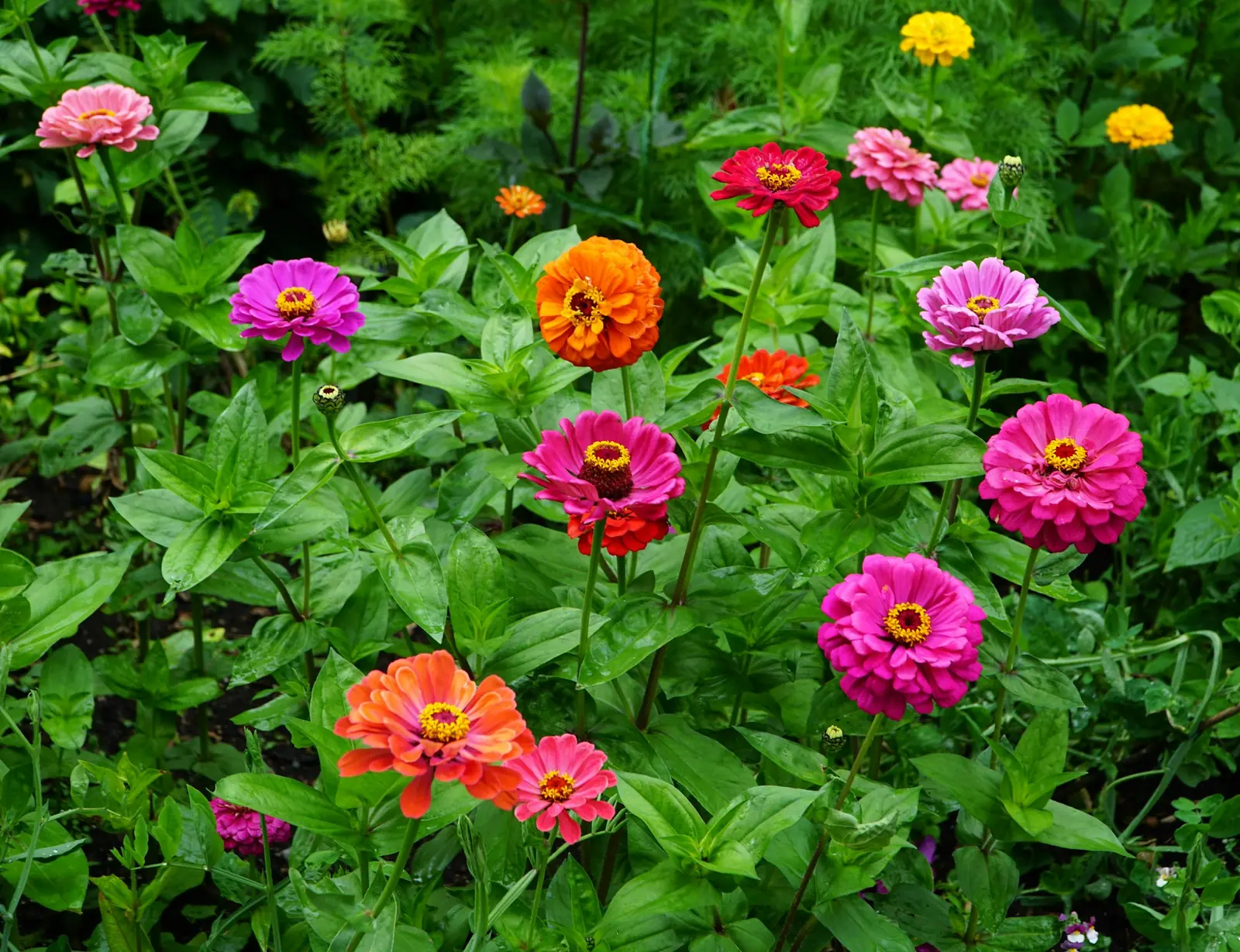
A cut flower garden is a bed planted for harvesting bouquets, not for show. Pick a spot with 6 to 8 hours of direct sun, build beds 3 to 4 feet wide, and mix focal flowers, fillers and foliage. Sow quick crops like sunflowers every 2 weeks for a steady supply, cut in the cool of the morning, and put stems into clean water right away.
What Is a Cut Flower Garden?
A cut flower garden, often called a cutting garden, is a planting you grow to fill vases. You treat it like a vegetable plot. Flowers go in straight rows, you cut them often, and nobody minds the gaps after a big harvest.
A display border looks best when you leave the blooms alone. A cutting bed looks best in a jar on your kitchen table, and many of its stars are fast annuals that bloom more the harder you pick them.
You do not need a farm. One 4 by 10 foot bed can supply a weekly bouquet from midsummer to frost.
Key takeaways
- Choose the sunniest spot you have: 6 to 8 hours of direct sun a day.
- Keep beds 3 to 4 feet wide so you can reach the middle from a path.
- Plant a mix of focal flowers, fillers, foliage and trailing spillers.
- Sow quick crops like sunflowers every 2 weeks for a steady harvest.
- Cut early in the day and drop stems into clean water at once.
- Stage of bloom matters: some flowers must be fully open, others should be cut in bud.
Choosing the Right Site
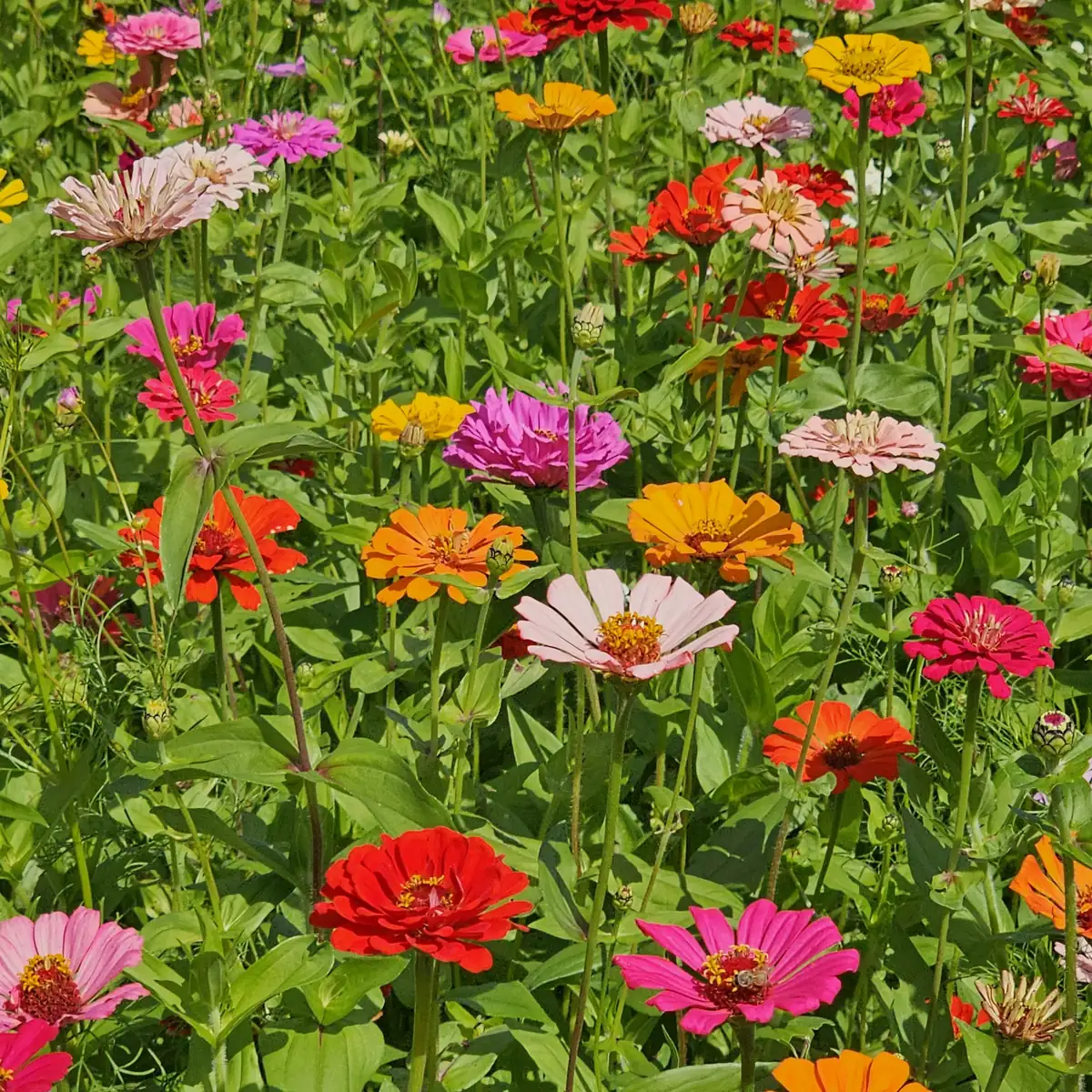
Sun drives stem count. Most cutting annuals need full sun, which means at least 6 hours of direct light a day, and 8 hours gives longer, stronger stems. Watch where shadows from fences, trees and the house fall over a full day before you dig.
- Drainage: avoid low spots where water pools after rain. Soggy roots rot.
- Water access: you will water often in summer, so stay within reach of a hose or drip line.
- Shelter: a fence or hedge on the windy side keeps tall stems from snapping.
- Convenience: you will cut more if the bed sits on your daily path.
Planning the Bed Layout
Plan on paper first, then mark the beds with string before you turn any soil.
Rows and 3 to 4 Foot Beds
Make each bed 3 to 4 feet wide and as long as your space allows. At that width you can reach the center from either side without stepping on the soil, which keeps it loose. Leave paths about 18 to 24 inches wide so you can kneel and carry a bucket.
Plant in rows that run the length of the bed, grouping each crop together. Put the tallest flowers, such as sunflowers and dahlias, on the north side so they do not shade shorter plants.
Succession Planting
Succession planting means sowing the same crop again a few weeks after the first batch. It fills the gap when early plants slow down. NDSU Extension suggests sowing single-stem sunflowers every two weeks, since each plant gives only one bloom. Zinnias and cosmos keep producing for months, so one or two extra sowings in early summer is usually enough.
Preparing the Soil
Rich, loose soil gives you taller stems and more of them.
- Test first: a soil test from your local extension office tells you pH and nutrient levels. Most cut flowers do well at a pH of about 6.0 to 7.0.
- Clear the ground: remove grass and perennial weeds by the roots, or smother them under cardboard for a season.
- Loosen deeply: break up the top 12 inches so roots can spread.
- Add organic matter: spread 2 to 3 inches of compost over the bed and mix it in.
- Feed lightly: rake in a balanced slow-release fertilizer at planting time. Too much nitrogen gives leafy plants with few blooms.
- Water and mulch: lay drip tape or a soaker hose, then mulch once seedlings are a few inches tall.
The Best Flowers for a Cutting Garden
Plan by bouquet role rather than by favorite flower. For more ideas, browse our guide to types of flowers.
Focal, Filler, Foliage and Spiller Flowers
- Focal flowers: the big, eye-catching blooms. Dahlias, sunflowers, zinnias, ranunculus and lisianthus all fill this role.
- Filler flowers: smaller blooms that add volume and soften gaps. Cosmos, ammi, statice and feathery celosia work well.
- Spike flowers: upright lines that add height. Snapdragons are the classic choice.
- Foliage: greenery that frames the flowers. Basil gives scent and texture, and eucalyptus brings silvery leaves and a long vase life.
- Spillers: trailing or airy stems that drape over the rim. Sweet peas on long, curving stems and arching cosmos soften the edge of a bouquet.
Cut Flowers by Season
| Season | Flowers | Bouquet role | Notes |
|---|---|---|---|
| Spring | Ranunculus, sweet peas, snapdragons, ammi | Focal, spiller, spike, filler | Cool-season crops that fade once summer heat arrives |
| Early summer | Lisianthus, statice, basil, early sunflowers | Focal, filler, foliage | Lisianthus is slow from seed, so buy plugs if you start late |
| High summer | Zinnias, cosmos, celosia, sunflowers | Focal, filler | Heat lovers that bloom nonstop with regular cutting |
| Late summer to fall | Dahlias, zinnias, celosia, eucalyptus | Focal, filler, foliage | Dahlias peak as nights cool and keep going until frost |
Sunflowers deserve a note. Choose pollenless sunflower varieties such as the ProCut and Sunrich series for bouquets. They shed no yellow dust on tablecloths and tend to last longer in the vase. Cosmos also doubles as the October birth flower, which makes it a thoughtful fall gift. For an all-white wedding or moon garden palette, pull ideas from our list of white flowers.

Cut-and-Come-Again vs Single-Stem Flowers
Cut-and-come-again flowers send up new side shoots every time you harvest. Zinnias, cosmos, snapdragons, dahlias, plume celosia, sweet peas, basil and branching sunflowers all fall here. Pinch them young to start the branching. University of Minnesota Extension trials pinched zinnias at 3 to 4 sets of true leaves. After that, every cut acts as a pinch.
Single-stem flowers give one bloom per plant, then they are done. Single-stem sunflowers are the best example. Crested celosia grown for one large comb also behaves this way. Plant these close together and sow them in repeat batches.
Supporting Tall Stems With Netting
Storms flatten tall cut flowers, and a bent stem is useless in a vase. Snapdragons, lisianthus, dahlias and tall zinnias all benefit from support.
- Use flower netting: lay plastic trellis netting with roughly 6-inch squares flat across the bed.
- Set it early: tie it to sturdy stakes along both sides about 12 to 18 inches above the soil while plants are still small.
- Add a second layer: for crops over 3 feet tall, run another layer higher once plants grow through the first.
- Stake big plants singly: dahlias and branching sunflowers may need their own stakes or a corral of string.
Stems grow up through the grid and stay straight. Fitting netting over plants that have already flopped is slow and snaps shoots.
Cut Flower Planting Calendar
Exact dates depend on your last spring frost, so shift this sequence to match your area.
| When | What to do | Flowers |
|---|---|---|
| Fall (mild-winter areas) | Plant cool-season crops for an early spring harvest | Ranunculus corms, sweet peas, snapdragons, ammi |
| Winter, indoors | Start slow crops under lights 10 to 12 weeks or more before last frost | Lisianthus, eucalyptus, snapdragons, statice |
| Early spring | Sow or plant hardy crops as soon as soil can be worked; pre-sprout ranunculus in cold areas | Sweet peas, ammi, snapdragons, ranunculus |
| After last frost | Direct sow or transplant warm-season annuals; plant dahlia tubers once soil warms | Zinnias, cosmos, sunflowers, celosia, basil, dahlias |
| Early to midsummer | Make succession sowings for late-season stems | Sunflowers every 2 weeks, zinnias, basil |
| Fall | Lift dahlia tubers in cold areas after frost, then plan next year | Dahlias |
Once frost ends the outdoor season, you can keep fresh flowers going indoors by forcing amaryllis bulbs for winter blooms.
When and How to Harvest Cut Flowers
Timing makes the biggest difference to vase life. Penn State’s guide to cutting flowers for arrangements advises cutting in early morning or evening and avoiding hot afternoons. Morning is the easiest window, since stems are full of water after the cool night.
Carry a bucket of water, use clean, sharp snips and cut each stem long, just above a leaf node or side shoot so the plant can branch again.
Harvest Stage for Popular Cut Flowers
- Zinnias: cut when fully open. Use the wiggle test: hold the stem about 8 inches below the flower and shake it gently. If the head stays upright, it is ready. If it flops, wait a few days.
- Sunflowers: cut when the first petals start to lift away from the center disk. The more open the bloom, the shorter its vase life.
- Cosmos: cut when the petals are just beginning to open.
- Dahlias: cut when fully open. Buds do not open well after cutting.
- Snapdragons: cut when the lower third of the spike is in bloom.
- Celosia: cut once the comb or plume is fully formed but before it sets seed.
- Ranunculus: cut at the marshmallow stage, when the bud shows color and feels soft when squeezed.
- Sweet peas: cut when the first two or three flowers on the stem are open.
- Lisianthus: cut when one or two flowers on the stem have opened.
- Statice and ammi: cut when most flowers in the cluster are open. Wear gloves for ammi, since its sap can irritate skin in sunlight.
- Basil and eucalyptus: cut stems that feel firm. Soft new growth wilts fast.

Conditioning Flowers After Harvest
Conditioning means letting cut stems drink deeply before you arrange them. Skipping it is a common reason a bouquet wilts in two days.
Clean Buckets and Cool Water
Bacteria in dirty buckets clog stems and stop water uptake. Scrub buckets with hot soapy water, rinse well, and sanitize them between uses. Fill them with fresh, cool water.
- Strip any leaves that would sit below the waterline.
- Recut stems at an angle, ideally under water, to clear air bubbles.
- Rest the bucket in a cool, dark spot for several hours or overnight.
- Keep zinnias out of the fridge. They dislike cold storage.
Searing Milky-Stemmed Flowers
Poppies, euphorbia and some other flowers bleed a milky sap when cut. The sap seals the stem and fouls the water for other flowers. Seal the end right after cutting by dipping the bottom inch in boiling water for about 10 seconds or holding it over a flame. Euphorbia sap irritates skin and eyes, so wear gloves.
Vase Life Tips
- Use a clean vase and add flower food, which feeds blooms and slows bacteria.
- Change the water every day or two, and recut the stems each time.
- Keep the vase away from direct sun, heaters and the fruit bowl. Ripening fruit gives off ethylene, a gas that ages many flowers fast.
Some flowers simply last longer than others. NDSU notes that pollenless sunflowers can last up to two weeks in plain water. Sweet peas are short-lived, so enjoy them within a few days.
Arranging a Simple Garden Bouquet
Build a homegrown bouquet in layers, using the same roles you planned in the garden.
- Start with a loose base of basil or eucalyptus.
- Add focal flowers. Place three or five large blooms at slightly different heights.
- Fill the gaps. Tuck in cosmos, ammi or statice around the focal blooms.
- Add height and movement. Slip in snapdragon spikes, then let a few sweet peas or arching stems spill over the rim.
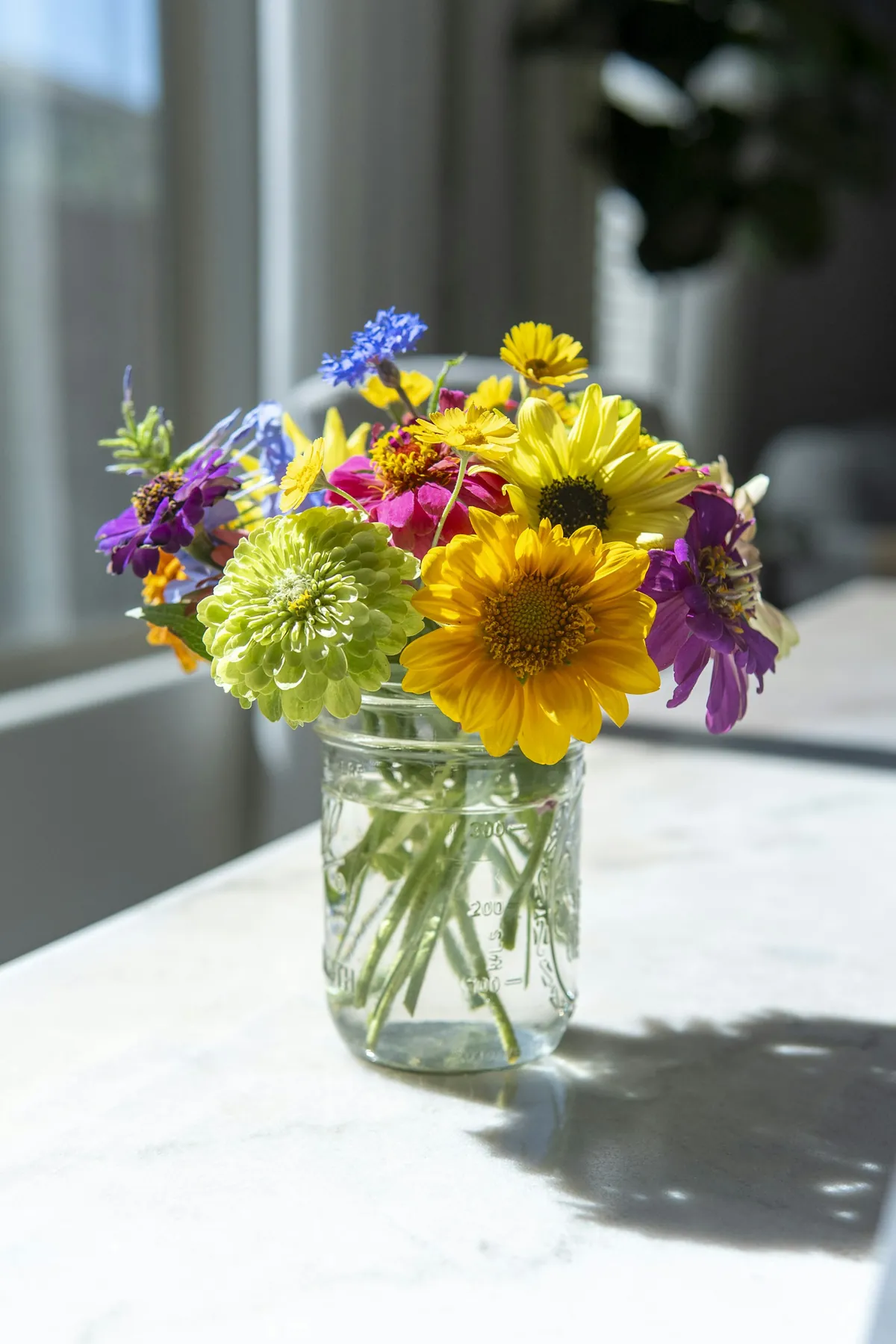
- Trim and tie. Cut the stems to an even length, roughly one and a half times the height of the vase, and tie them with twine.
In fall, pair a jar of zinnias and dahlias with potted garden mums on the porch for an easy seasonal display.
Cut Flower Garden FAQs
How big should a beginner cut flower garden be?
Start with one or two beds about 4 feet wide and 8 to 10 feet long. That is enough space for four to six crops and a weekly bouquet from midsummer on. A small bed is easier to keep weeded, watered and harvested, and you can add more beds next year once you know which flowers you use most.
What are the easiest cut flowers to grow from seed?
Zinnias, cosmos and sunflowers are the easiest. All three sprout fast in warm soil, grow well when sown straight into the garden and bloom within a few months. Zinnias and cosmos also keep producing new stems all summer if you cut them often, which makes them good value for a first cutting garden.
How often should I cut flowers from my garden?
Cut every two to three days once plants hit full bloom. Regular cutting stops cut-and-come-again flowers like zinnias, cosmos and snapdragons from setting seed, so they keep making new stems. If you cannot use every bloom, cut it anyway and share it, or add it to the compost.
Is it better to cut flowers in the morning or the evening?
Both work, but avoid the heat of the day. Early morning is the easiest window because stems are full of water after the cool night. Evening also works once the heat has eased. Whenever you cut, carry a bucket of water and put each stem into it right away.
Why do my cut flowers wilt so quickly?
Most fast wilting comes from bacteria, air in the stem or cutting at the wrong stage. Use clean buckets and vases, recut stems before arranging, and let them drink in a cool spot for a few hours first. Also check the harvest stage: zinnias cut before the stem firms up often droop within a day.
Can I grow a cut flower garden in containers?
Yes, if you choose compact or medium varieties. Zinnias, cosmos, snapdragons, celosia and dwarf sunflowers grow well in pots at least 12 inches wide and deep. Use a quality potting mix, water daily in hot weather and feed every two weeks, since pots run out of nutrients faster than garden beds.
Related flower guides
More guides you might enjoy.

Pingback: February Birth Flower: Violet and Primrose Meaning
Pingback: Flower Arranging for Beginners: Easy Bouquet Techniques
Pingback: June Birth Flower: Rose and Honeysuckle Meaning and Care
Pingback: August Birth Flower: Gladiolus and Poppy Meaning and Care