Types of Flowers: 100 Popular Flowers With Names and Pictures
Types of flowers with names and pictures: 100 popular garden flowers, from tulips to orchids, with colors, bloom season, sun needs and USDA zones.
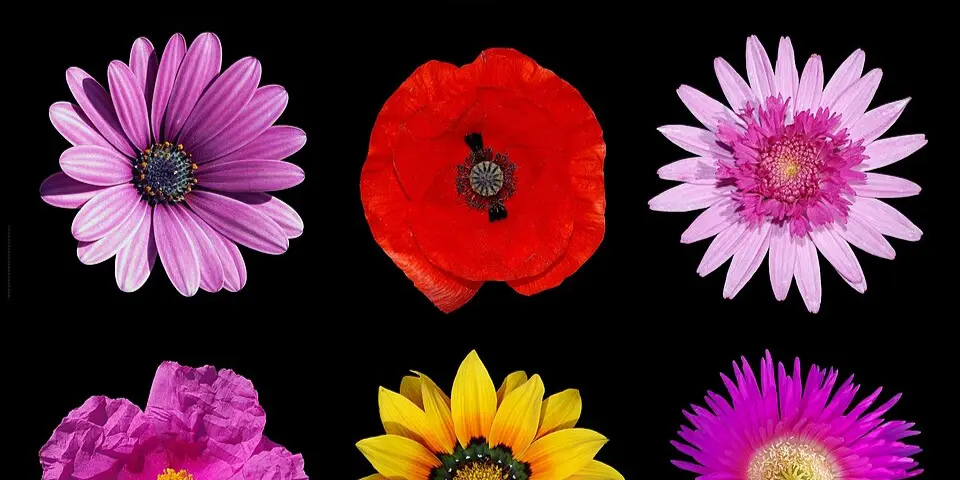
The most popular types of flowers fall into seven groups: spring bulbs, summer bulbs, annuals, perennials, flowering shrubs and climbers, wildflowers, and tropical or houseplant flowers. This guide lists 100 of them, each with its common name, botanical name and a photo. To identify a flower, check its shape first, then its leaves, stems, bloom season and growth habit.
Botanists have described roughly 300,000 to 400,000 species of flowering plants. Thankfully, home gardeners meet only a small share. This guide covers 100 popular types of flowers, each with its name and a clear picture.
Each entry lists the common name and botanical name first. Then you get the flower shape, colors, bloom season and sun needs. We note USDA hardiness zones and whether the plant is annual or perennial.
We grouped the flowers by how gardeners grow them. For example, you’ll find bulbs, annuals, perennials, shrubs, vines, wildflowers and houseplants. Many are also birth month flowers, so the list doubles as a gift guide.
Key takeaways
- Identify a flower by its shape first, then check leaves, stems, bloom season and growth habit.
- Annuals bloom all season but live one year; perennials return each spring from the same roots.
- Spring bulbs such as tulips and daffodils go in during fall and need winter chill to flower.
- Match every plant to its USDA hardiness zone and sun needs before you buy.
- Native wildflowers like coneflower and butterfly weed feed pollinators with little care.
- Lilies are extremely toxic to cats, and several garden favorites can harm pets.
How to Identify Different Types of Flowers
Start with the flower shape, because it narrows things fast. Count the petals, then note whether they form a cup, trumpet, bell, star, spike or daisy. Daisy-like heads usually belong to the large aster family.
Next, look past the bloom. Leaf shape, leaf arrangement and stem texture matter too. For example, square stems and fragrant leaves point to the mint family. Similarly, sword-shaped leaves often signal iris, gladiolus or crocosmia.
Finally, check the context. Note the bloom time, plant height and whether it grows from a bulb, shrub or vine. Then compare notes with the photos below and check the USDA Plant Hardiness Zone Map.
Spring Bulbs and Early Bloomers
Spring bulbs are the first flowers most gardeners see each year. You plant them in fall, about six weeks before the ground freezes. Then the bulbs root over winter and bloom once the soil warms.
Most spring bulbs need a cold period, called chilling, to flower well. That is why tulips and hyacinths struggle in the Deep South. Meanwhile, daffodils, grape hyacinths and snowdrops return for decades in colder zones.
Plant bulbs pointed end up, about three times as deep as they are tall. After flowering, leave the leaves until they turn yellow. The foliage feeds the bulb, so next spring brings another strong show.
1. Tulip (Tulipa gesneriana)
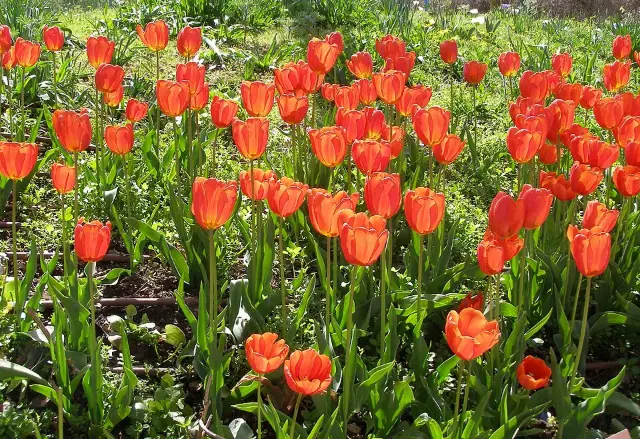
Tulips carry one upright, cup-shaped bloom on each stem, with six smooth tepals and broad blue-green leaves. They come in almost every color except true blue. Plant the bulbs in fall, and they open in mid to late spring. Also, give them full sun. They return best in Zones 3 to 8, while gardeners in the hot South usually treat them as annuals.
2. Daffodil (Narcissus pseudonarcissus)

Look for a central trumpet, called the corona, framed by six flat petals. Most daffodils are yellow, yet white, orange and pink-cupped forms are common too. They bloom in early spring in full sun or light shade. These perennial bulbs thrive in Zones 3 to 9. Better still, deer and voles leave them alone because the bulbs are toxic.
3. Hyacinth (Hyacinthus orientalis)
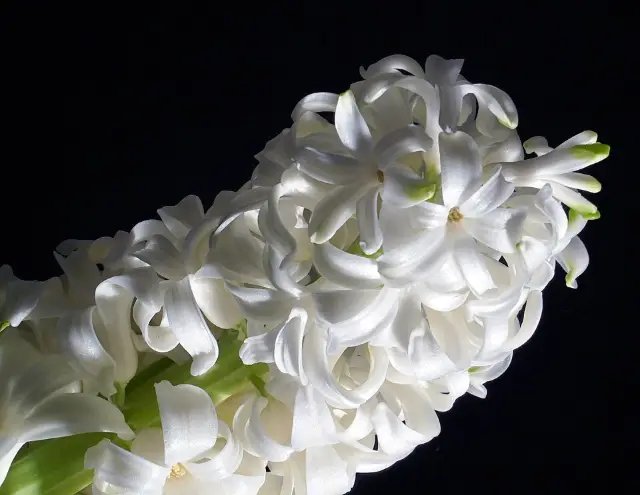
Hyacinths pack dozens of waxy, star-shaped florets into one dense spike about 8 to 12 inches tall. Their perfume is strong enough to fill a room. In addition, colors include purple, blue, pink, white and apricot. They flower in mid-spring and prefer full sun. Hardy in Zones 4 to 8, they also force easily in pots indoors.
4. Crocus (Crocus vernus)
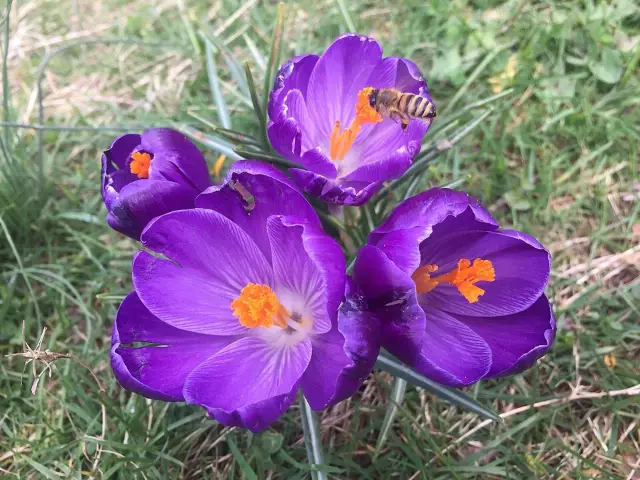
Crocuses open small goblet-shaped cups just 3 to 4 inches above the soil. Each grassy leaf has a thin silver stripe down the middle, which helps with identification. Expect purple, white, yellow or striped flowers in late winter. They need full sun and grow in Zones 3 to 8. Also, they naturalize well in lawns.
5. Grape Hyacinth (Muscari armeniacum)
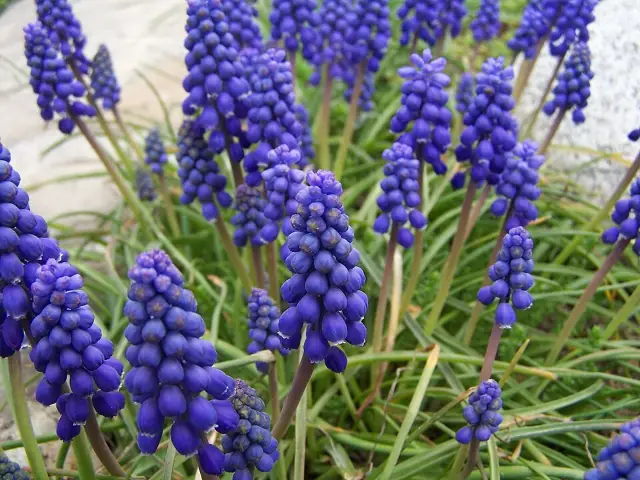
Grape hyacinth looks like a tiny bunch of grapes turned upside down. Each 6- to 8-inch stem holds tightly packed, urn-shaped bells, usually cobalt blue with a white rim. It blooms in mid-spring in sun or part shade. This tough bulb spreads quickly in Zones 4 to 8, so it suits borders and lawn edges.
6. Snowdrop (Galanthus nivalis)
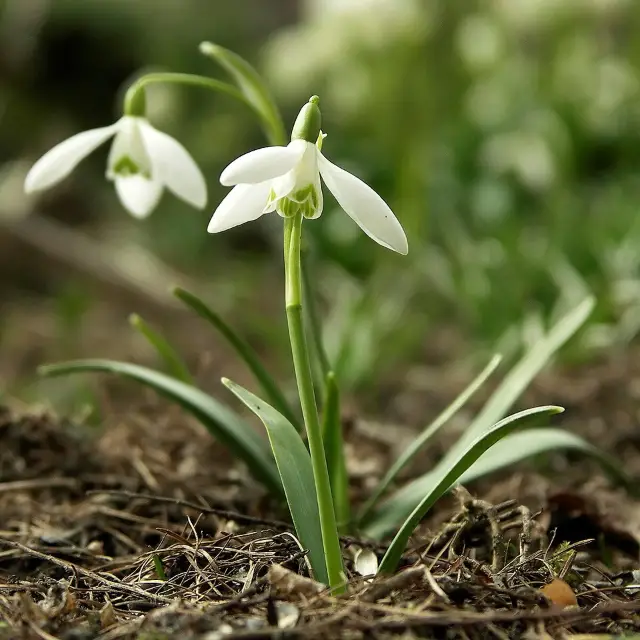
Snowdrops often push through snow in late winter. Each nodding white bell has three longer outer tepals and three short inner ones marked with green. Plants stay only 4 to 6 inches tall. Also, they prefer part shade and moist soil under deciduous trees. Snowdrops are perennial bulbs for Zones 3 to 7 and slowly form clumps.
7. Allium (Allium giganteum)

Giant allium forms a perfect purple globe, up to 6 inches wide, made of hundreds of starry florets. The ball sits on a bare stem 3 to 5 feet tall. It flowers in late spring and early summer in full sun. Hardy in Zones 5 to 8, it belongs to the onion family, so deer avoid it.
8. Bearded Iris (Iris germanica)
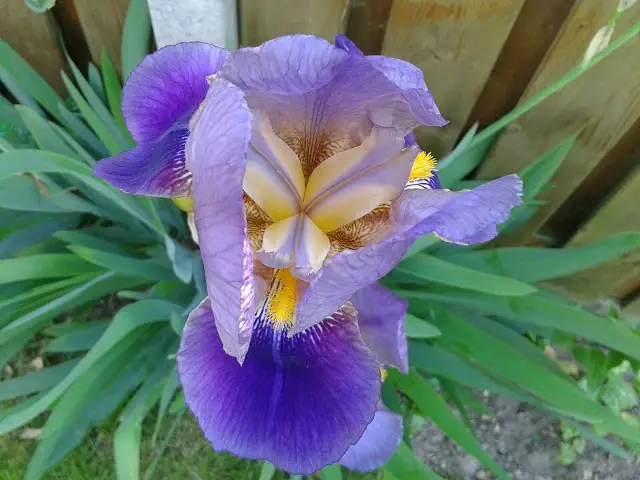
Bearded iris has three upright petals called standards and three drooping falls. A fuzzy strip, the beard, runs down each fall. Also, the leaves are flat and sword-shaped. Blooms appear in late spring in nearly every color. Plant the rhizomes shallow in full sun. They are hardy perennials for Zones 3 to 9.
9. Ranunculus (Ranunculus asiaticus)
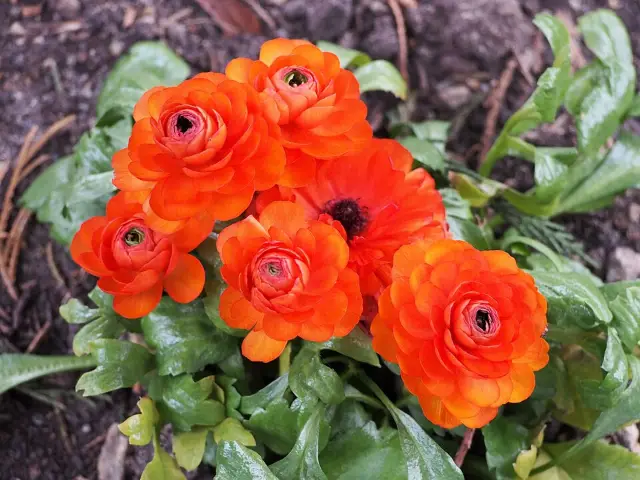
Ranunculus looks like a small rose, with layer upon layer of tissue-thin petals. Colors run from white and pale pink to red, orange and gold. It blooms in spring in full sun. The claw-like tubers stay hardy only in Zones 8 to 11. Elsewhere, plant them in early spring and grow them as annuals.
10. Anemone (Anemone coronaria)

Poppy anemones have satiny petals around a dark center ringed with black stamens. Look for scarlet, blue, violet, pink or white blooms on 10- to 18-inch stems. They flower in spring in full sun or part shade. The small corms are hardy in Zones 7 to 10, so colder gardens plant them each spring.
Summer Bulbs, Corms and Tubers
Summer bulbs differ from spring bulbs in one key way: most are tender. Dahlias, gladiolus and cannas cannot survive freezing soil. So, in colder zones you plant them in spring, after the last frost passes.
Gardeners lump true bulbs, corms, tubers and rhizomes together, though each one differs. A lily has a scaly bulb, while a gladiolus grows from a corm. Dahlias have tubers, and cannas spread through thick rhizomes.
In Zones 8 and warmer, many summer bulbs stay in the ground all year. Elsewhere, dig them up after the first fall frost. Then dry them, pack them in peat or wood shavings, and store.
11. Lily (Lilium spp.)
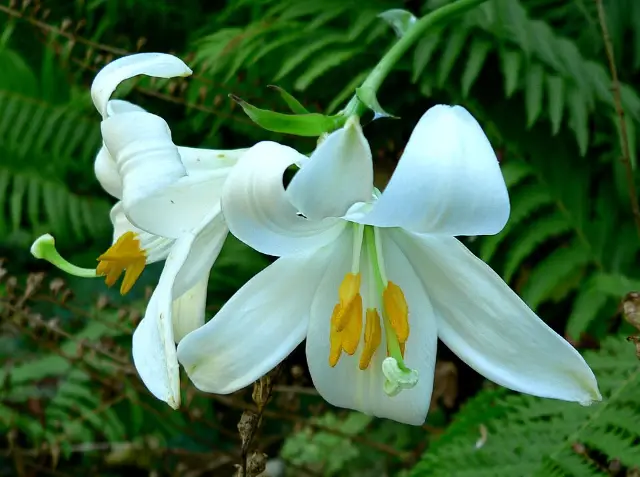
True lilies grow from scaly bulbs and carry six large tepals with long, prominent stamens. Asiatic types face upward, while fragrant Oriental lilies open wide and often show spots. Colors include white, pink, orange, red and yellow. They bloom in summer in full sun. Most are perennials for Zones 4 to 9, but all lilies are toxic to cats.
12. Dahlia (Dahlia pinnata hybrids)
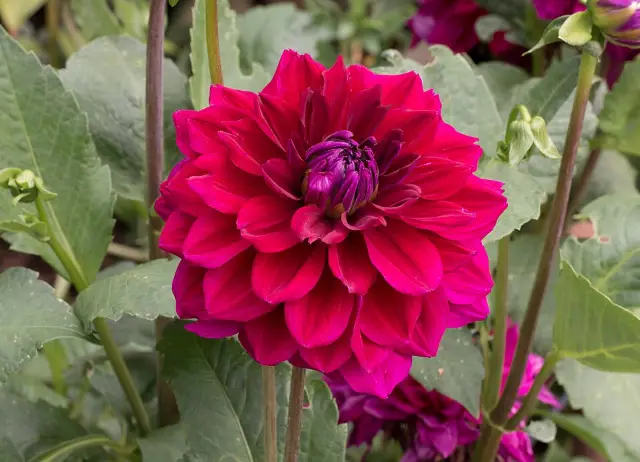
Dahlias range from 2-inch pompons to dinner-plate blooms 12 inches across. Their forms include cactus, ball, waterlily and single types. Every color except blue appears. They flower from midsummer until frost in full sun. The tubers are hardy only in Zones 8 to 11, so most gardeners dig and store them each fall.
13. Gladiolus (Gladiolus × hortulanus)

Gladiolus sends up a tall spike of funnel-shaped florets that open from the bottom up. Stalks reach 2 to 5 feet above stiff, sword-like leaves. Colors cover the whole rainbow. Corms bloom about 70 to 90 days after planting, usually in summer. Give them full sun. They overwinter in Zones 8 to 10; elsewhere, lift the corms.
14. Calla Lily (Zantedeschia aethiopica)

A calla lily is not a true lily. Its elegant flower is a curled spathe wrapped around a yellow spadix. Classic white callas grow from rhizomes beside arrow-shaped leaves, while hybrids add pink, yellow and deep purple. They bloom from late spring into summer in sun or part shade. They are hardy in Zones 8 to 10.
15. Canna Lily (Canna indica)
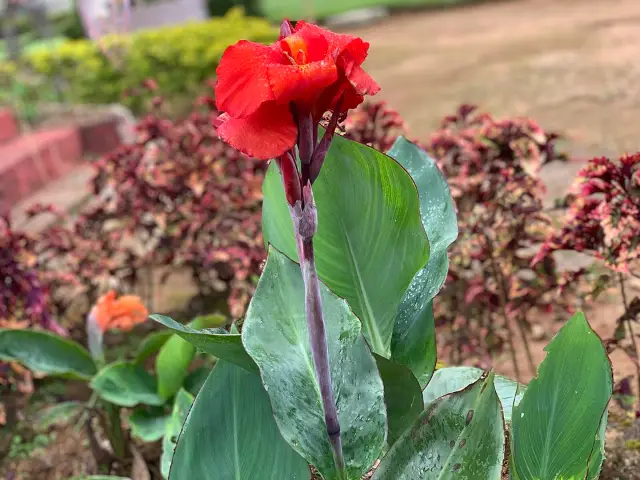
Cannas look tropical, with huge paddle-shaped leaves in green, bronze or striped patterns. Above them, loose clusters of red, orange, yellow or pink flowers appear from summer to fall. Plants reach 3 to 6 feet in full sun. The rhizomes survive winter in Zones 8 to 11. However, in colder areas, dig and store them.
16. Crocosmia (Crocosmia × crocosmiiflora)
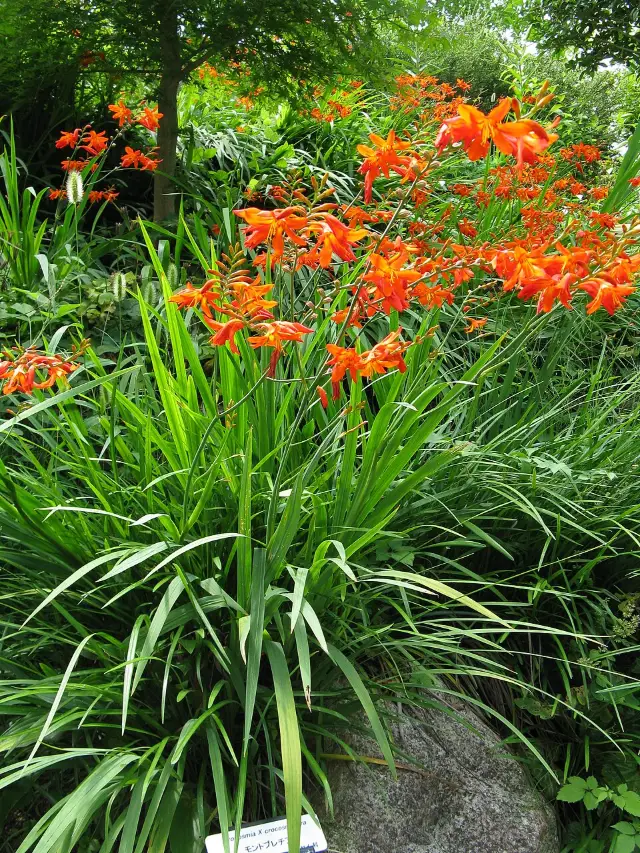
Crocosmia carries arching, zigzag sprays of small tubular flowers in fiery red, orange or yellow. Pleated, sword-shaped leaves form tidy clumps 2 to 4 feet tall. It blooms in mid to late summer in full sun. Hummingbirds also love it. Most types are hardy in Zones 6 to 9, and the corms multiply each year.
17. Freesia (Freesia refracta hybrids)
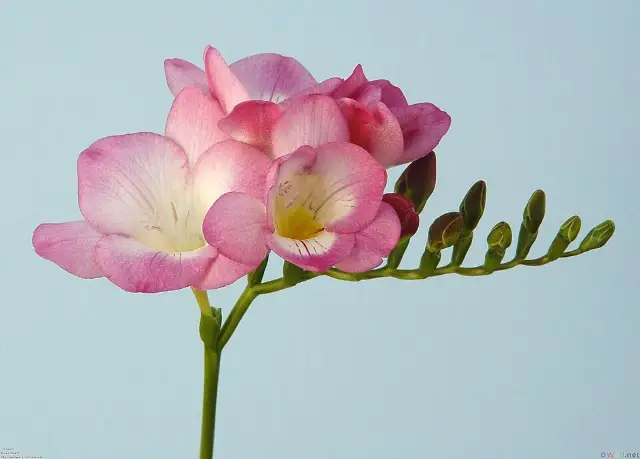
Freesias hold their funnel-shaped flowers along one side of an arching stem. Their sweet citrus fragrance is famous in bouquets. Look for white, yellow, pink, red and purple forms. In Zones 9 and 10, fall-planted corms bloom in spring. Elsewhere, plant them in spring for summer flowers. They need full sun.
18. Agapanthus (Agapanthus praecox)

Agapanthus, or lily of the Nile, forms a round head of blue, violet or white trumpets on stems 2 to 4 feet tall. Thick, strap-shaped leaves cluster at the base. It flowers in summer and needs full sun. Most types are hardy in Zones 8 to 11. Elsewhere, gardeners grow it in large pots.
Annual Flowers
Annual flowers sprout, bloom, set seed and die in one growing season. Because they have one season to reproduce, they bloom hard. In fact, many annuals flower nonstop from late spring until the first frost.
Annuals split into warm-season and cool-season groups. Warm-season types, such as zinnias and marigolds, hate cold soil, so plant them after frost. Cool-season types, like pansies and stock, prefer cool weather in spring and fall.
Some plants sold as annuals are actually tender perennials. For example, geraniums, lantana and gerbera daisies live for years in frost-free climates. However, most U.S. gardeners replant them every spring or carry their pots indoors.
19. Sunflower (Helianthus annuus)

Sunflowers have golden ray petals around a large brown center packed with seeds. Heads can reach 12 inches or more, and tall types top 10 feet. Modern varieties also come in red, bronze and cream. They bloom from summer into early fall in full sun. Sunflowers are annuals, so sow seeds after the last frost.
20. Zinnia (Zinnia elegans)
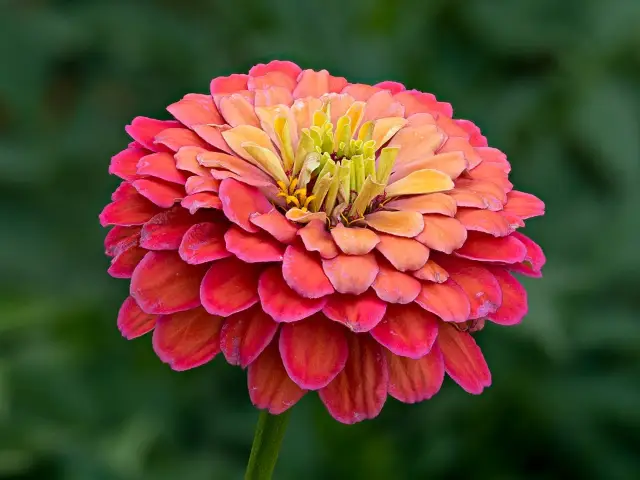
Zinnias offer single, semi-double and fully double blooms on sturdy stems. Every color except true blue shows up, including lime green and bicolors. They flower from summer until frost in full sun. As a result, they make excellent cut flowers, because cutting triggers more blooms. These easy annuals also attract butterflies.
21. Marigold (Tagetes erecta)
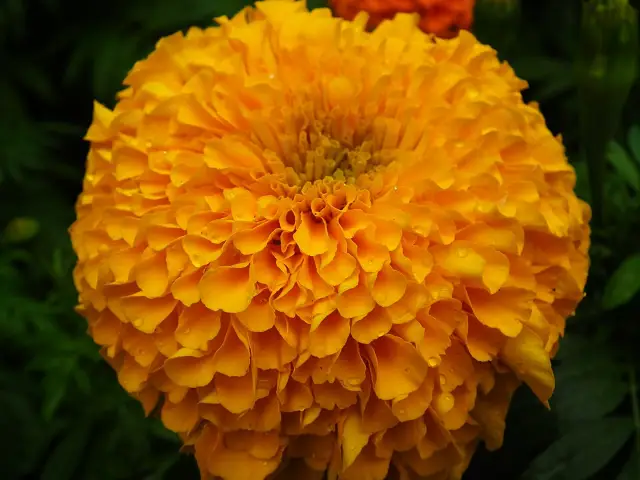
African marigolds produce fluffy, pom-pom blooms up to 5 inches wide in yellow, gold and orange. The finely divided leaves have a strong, pungent scent. They flower from early summer until frost in full sun. They are tough annuals for any zone. Marigolds are also one of two October birth flowers.
22. Petunia (Petunia × atkinsiana)
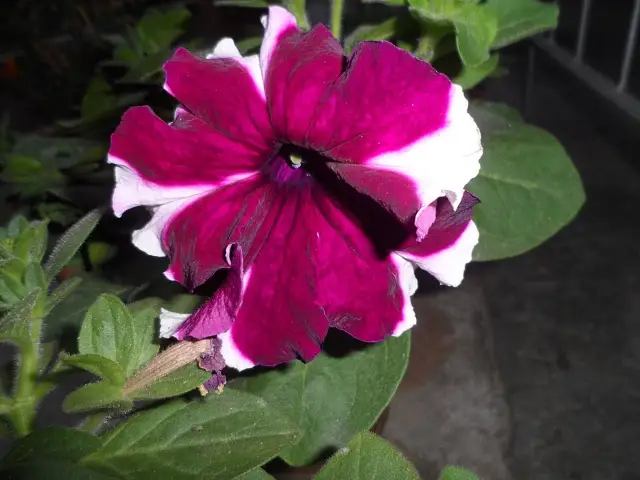
Petunias have wide, trumpet-shaped flowers and slightly sticky, fuzzy leaves. Blooms come in purple, pink, red, white, yellow and many striped or veined patterns. They flower from spring until frost in full sun. Trailing types spill nicely from hanging baskets and window boxes. Petunias grow as annuals in most of the United States.
23. Cosmos (Cosmos bipinnatus)

Cosmos carries silky, daisy-like flowers with a yellow center on airy stems 3 to 5 feet tall. Its foliage is feathery and fern-like. Plus, colors include pink, white, magenta and crimson. It blooms from summer until frost in full sun. This annual actually prefers poor soil, and it is another October birth flower.
24. Impatiens (Impatiens walleriana)

Impatiens form neat mounds covered in flat, five-petal flowers. Colors include red, pink, coral, orange, lavender and white. They bloom nonstop from spring until frost. Unlike most bedding plants, they thrive in part to full shade. Grow them as annuals, and choose mildew-resistant varieties where downy mildew has caused problems.
25. Wax Begonia (Begonia semperflorens-cultorum)

Wax begonias have glossy, rounded leaves in green or bronze. Small flowers with yellow centers appear in pink, red and white. They bloom from spring until frost and handle part shade well, although many tolerate sun. As annuals, they suit edging, containers and shady beds. They also need little care beyond regular watering.
26. Geranium (Pelargonium × hortorum)
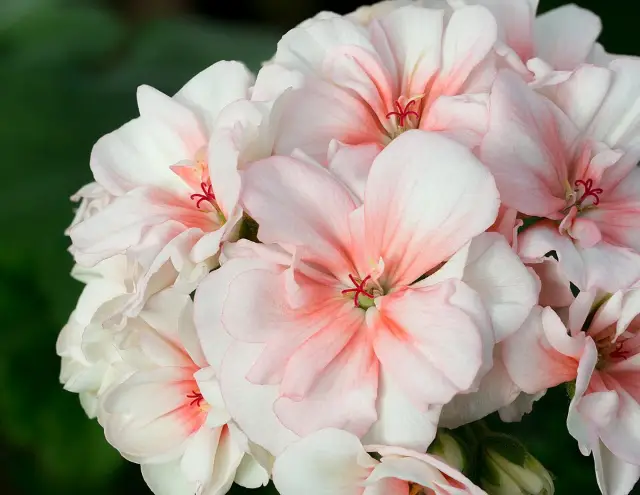
Zonal geraniums show ball-shaped clusters of flowers on long stems. Their round leaves often carry a dark, horseshoe-shaped band. Besides that, colors include red, pink, salmon, purple and white. They bloom from spring until frost in full sun. Treat them as annuals, or bring them indoors over winter. Botanically, they are Pelargonium, not hardy Geranium.
27. Snapdragon (Antirrhinum majus)

Snapdragons carry spikes of two-lipped flowers that open like a mouth when you squeeze the sides. Colors include every shade except blue, plus soft pastels. They prefer cool weather, so they bloom best in spring and fall. Give them full sun. Grow them as annuals, though they may return in Zones 7 to 10.
28. Pansy (Viola × wittrockiana)

Pansies have five overlapping, flat petals, often marked with a dark blotch that looks like a face. In addition, colors include blue, purple, yellow, orange, white and near-black. They are cool-season annuals for spring and fall in sun or part shade. Better still, in mild winters, fall plantings often survive and bloom again in early spring.
29. Sweet Alyssum (Lobularia maritima)

Sweet alyssum forms low carpets just 3 to 9 inches tall. Rounded clusters of tiny four-petal flowers cover the plant and smell of honey. Plus, colors include white, pink and purple. It blooms from spring to fall, although it may pause in midsummer heat. Grow it as an annual in sun or light shade.
30. Nasturtium (Tropaeolum majus)

Nasturtiums have round leaves that look like tiny lily pads. Their spurred, funnel-shaped flowers come in orange, red, yellow and cream. Both leaves and flowers are edible, with a peppery taste. They bloom from summer to fall in full sun. Interestingly, these annuals flower best in poor soil without fertilizer.
31. Celosia (Celosia argentea)
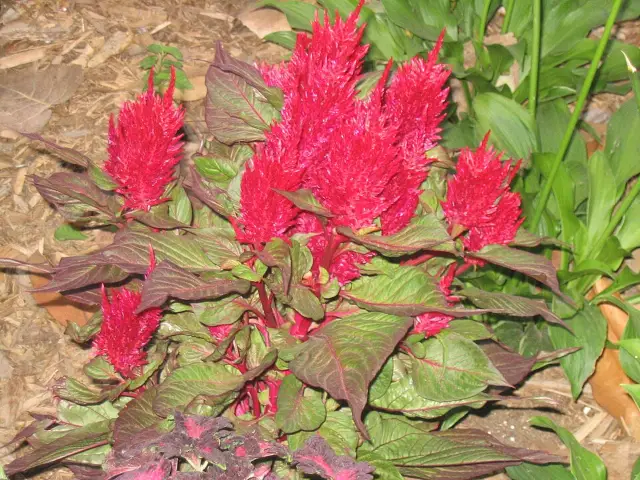
Celosia comes in three forms. Plume types look like feathery flames, crested types resemble a ruffled brain or rooster comb, and wheat types form slim spikes. Colors include red, orange, yellow, pink and magenta. It blooms from summer until frost in full sun. This heat-loving annual also dries well for crafts.
32. Lobelia (Lobelia erinus)
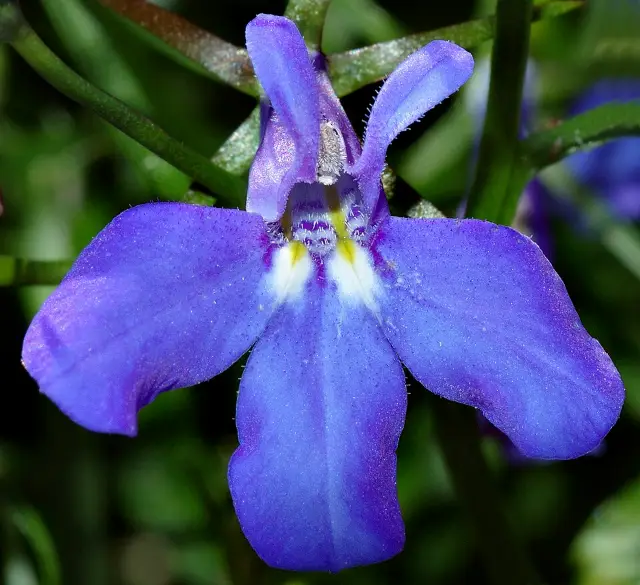
Edging lobelia covers itself in tiny two-lipped flowers, often with a white eye. Shades include cobalt, sky blue, violet, pink and white. Trailing types spill from baskets, while compact types edge beds. It flowers best from spring to early summer and may fade in heat. Grow this annual in sun or part shade.
33. Verbena (Verbena × hybrida)

Garden verbena forms spreading mats topped with flat clusters of small, five-petal flowers. Many have a contrasting white eye. Besides that, colors include red, purple, pink, white and violet-blue. It blooms from summer until frost in full sun. Most gardeners grow it as an annual, and it attracts butterflies all season.
34. Calendula (Calendula officinalis)
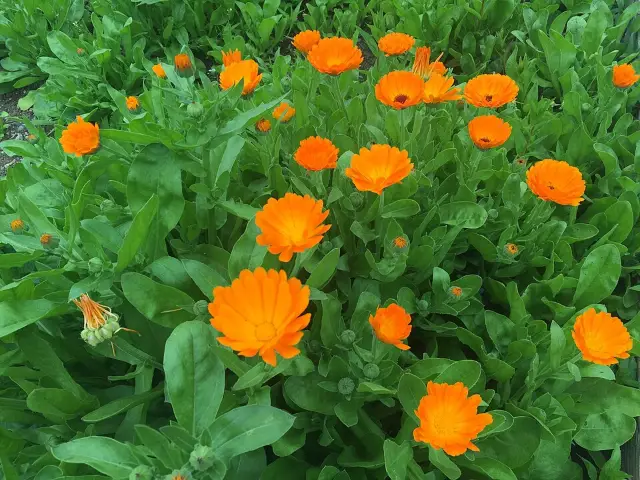
Calendula, or pot marigold, has bright daisy-like flowers 2 to 4 inches wide. Colors range from pale yellow to deep orange and apricot. The leaves feel slightly sticky and smell resinous. It prefers cool weather and blooms in spring and fall in full sun. Also, the petals of this easy annual are edible.
35. Sweet Pea (Lathyrus odoratus)
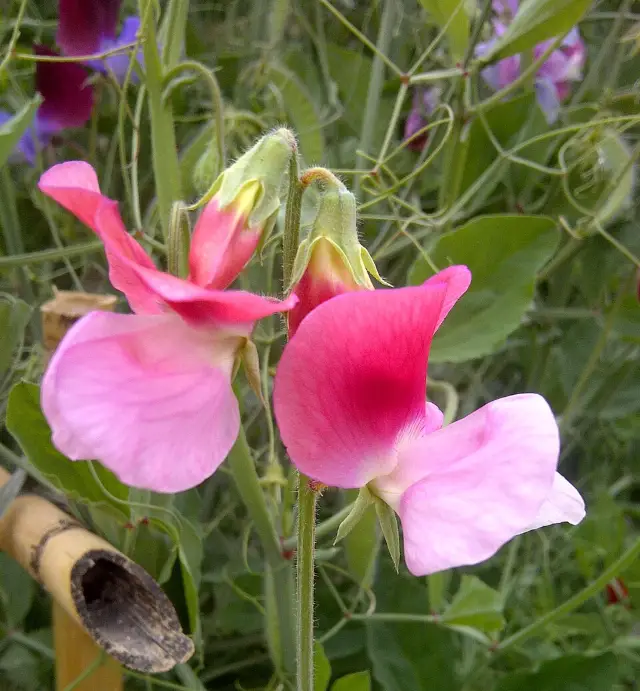
Sweet peas are climbing annual vines that reach 4 to 8 feet using tendrils. Their ruffled, butterfly-shaped flowers carry a rich fragrance. Colors include pink, purple, red, white and bicolors. They bloom in spring and early summer in full sun, then fade in heat. Unlike garden peas, their seeds are not edible.
36. Spider Flower (Cleome hassleriana)
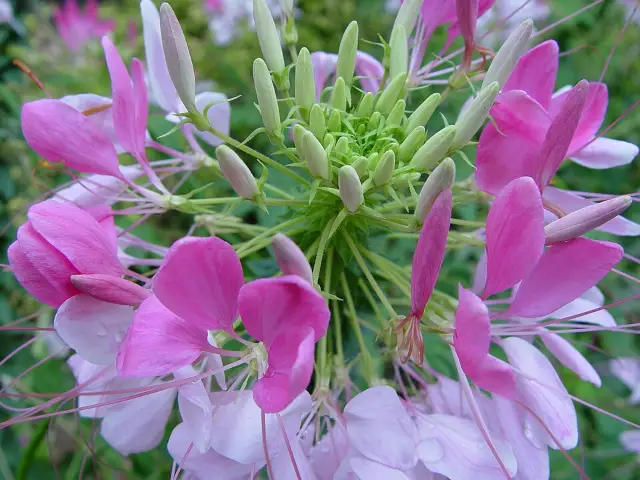
Spider flower, or cleome, makes rounded heads of four-petal flowers with very long stamens. Those stamens look like spider legs. In addition, colors include pink, white, lavender and purple. Plants stand 3 to 5 feet tall and bloom from summer until frost in full sun. This annual often reseeds itself the following year.
37. Vinca (Madagascar Periwinkle) (Catharanthus roseus)

Madagascar periwinkle has glossy leaves and flat, pinwheel flowers with five petals. Many have a contrasting eye. Plus, colors include pink, white, red, lavender and purple. It blooms from summer until frost and thrives in heat and drought. Give it full sun. It grows as an annual except in Zones 10 and 11.
38. Lantana (Lantana camara)
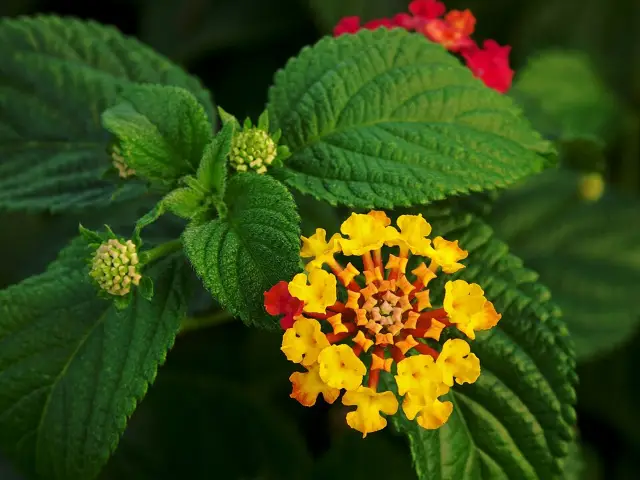
Lantana carries rounded clusters of tiny tubular flowers that change color as they age. As a result, one cluster may show yellow, orange and red together. Pink and white types exist too. It blooms from summer until frost in full sun. Lantana is perennial in Zones 9 to 11, and its berries are toxic.
39. Gerbera Daisy (Gerbera jamesonii)
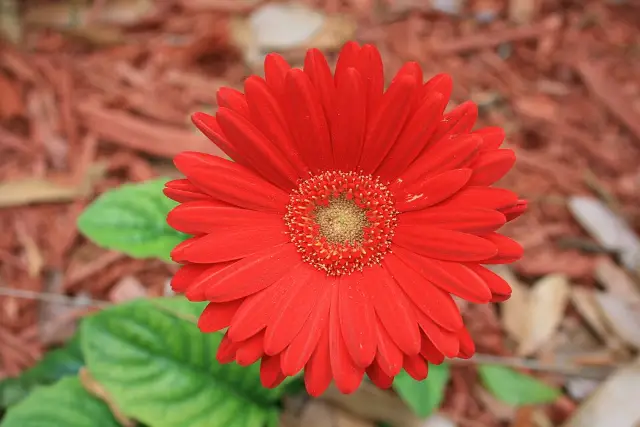
Gerbera daisies have large, bold blooms 3 to 5 inches wide with a distinct center. Besides that, colors include red, orange, pink, yellow and white. They flower from spring to fall in full sun with good drainage. Gerberas are perennials in Zones 9 to 11, while most gardeners grow them as annuals. Florists use them widely.
40. Stock (Matthiola incana)
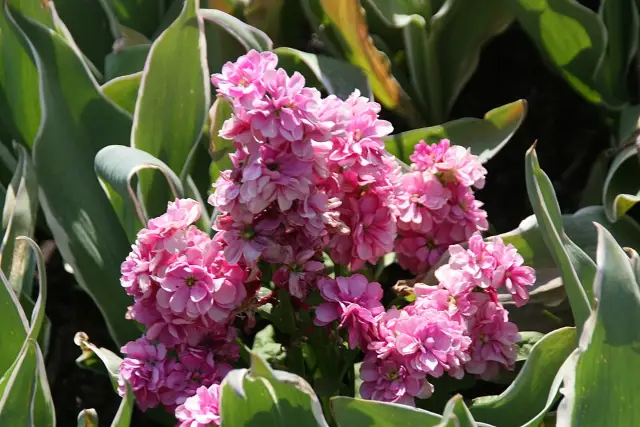
Stock forms dense spikes of single or double flowers with a spicy, clove-like scent. The leaves are soft and gray-green. In addition, colors include pink, purple, white, apricot and red. It is a cool-season annual that blooms in spring in full sun. Plant it early, because hot weather quickly ends the show.
Perennial Flowers
Perennial flowers live for three or more years. Most die back to the ground in winter and regrow from their roots each spring. As a result, you plant them once and enjoy them for years.
Most perennials bloom for two to six weeks rather than all summer. So, the trick is combining plants that flower at different times. That way, spring peonies give way to summer coneflowers and fall asters.
Biennials, such as foxglove and hollyhock, sit between annuals and perennials. They grow leaves in year one and flower in year two. Then they set seed and die, although many reseed and seem truly perennial.
41. Peony (Paeonia lactiflora)

Peonies produce huge, bowl-shaped or bomb-shaped blooms up to 8 inches wide. Many are richly fragrant. Plus, colors include pink, white, red, coral and cream. They bloom in late spring in full sun. These long-lived perennials thrive in Zones 3 to 8 and can flower for decades. Also, ants on the buds are harmless.
42. Daylily (Hemerocallis spp.)
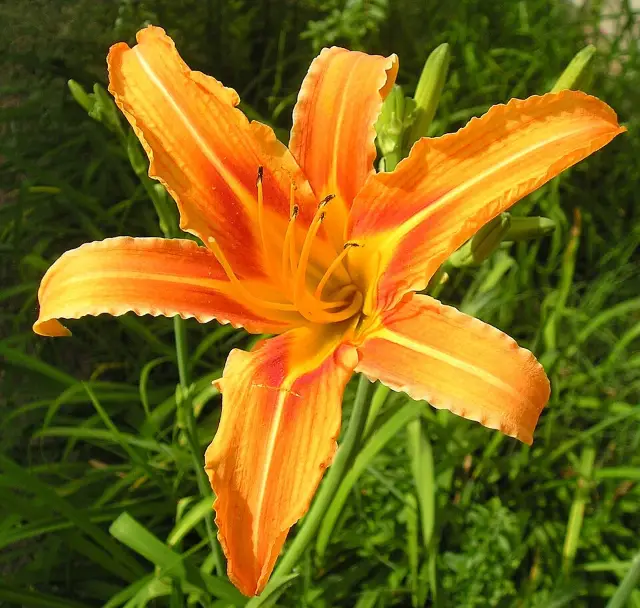
Daylilies carry trumpet-shaped flowers above clumps of arching, strap-like leaves. Each flower lasts only one day, yet each stem holds many buds. Besides that, colors include orange, yellow, red, pink, purple and near-white. They bloom in summer in full sun. These tough perennials grow in Zones 3 to 9 and tolerate poor soil.
43. Lavender (Lavandula angustifolia)
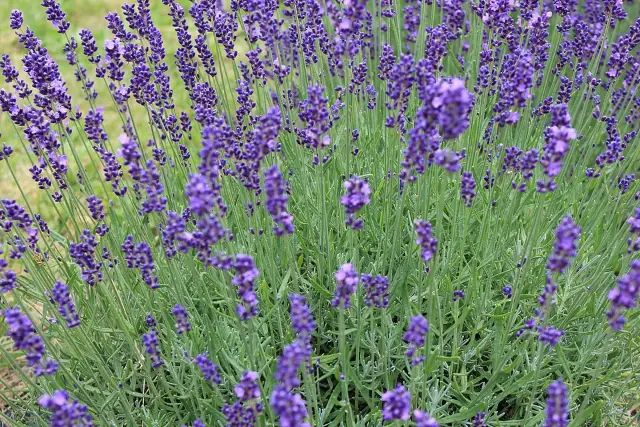
English lavender has slender spikes of tiny purple flowers above narrow, gray-green leaves. Both flowers and foliage are aromatic. White and pink forms exist too. It blooms from early to midsummer in full sun. This woody perennial needs lean, well-drained soil and grows in Zones 5 to 8. However, wet winter soil kills it.
44. Purple Coneflower (Echinacea purpurea)
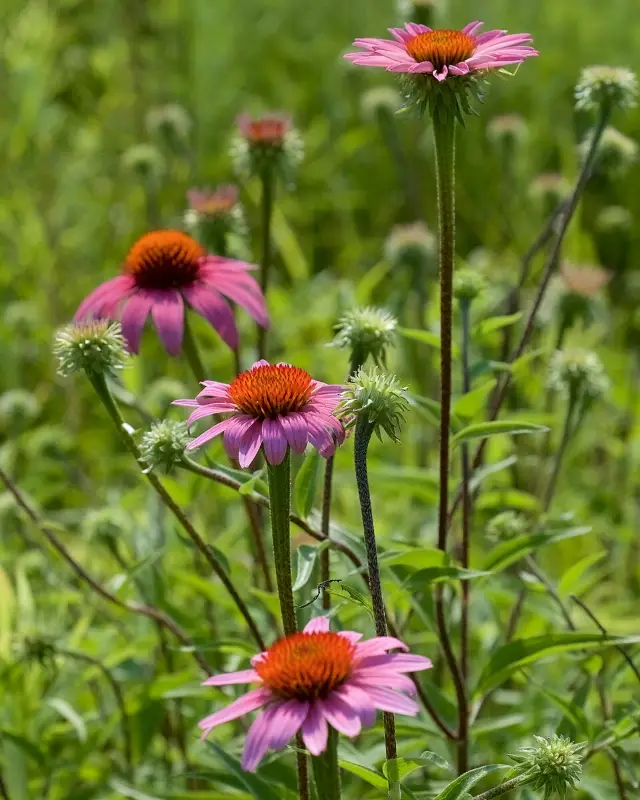
Purple coneflower has drooping pink-purple petals around a spiny, orange-brown cone. Meanwhile, newer hybrids add white, orange, yellow and red. It blooms through summer in full sun. This native perennial grows in Zones 3 to 8 and handles drought. Leave the seed heads standing, because goldfinches feed on them in fall.
45. Black-Eyed Susan (Rudbeckia hirta)

Black-eyed Susans have bright golden petals around a dark brown, domed center. Flowers are 2 to 3 inches wide on hairy stems. Also, they bloom from summer into fall in full sun. This native wildflower is a short-lived perennial for Zones 3 to 9. However, it reseeds freely, so plants usually return.
46. Shasta Daisy (Leucanthemum × superbum)

Shasta daisies show the classic daisy look: crisp white petals around a sunny yellow center. Blooms reach 2 to 4 inches wide on sturdy stems. They flower from early to late summer in full sun. These reliable perennials grow in Zones 5 to 9. Also, cutting them for vases encourages more blooms.
47. Garden Mum (Chrysanthemum × morifolium)
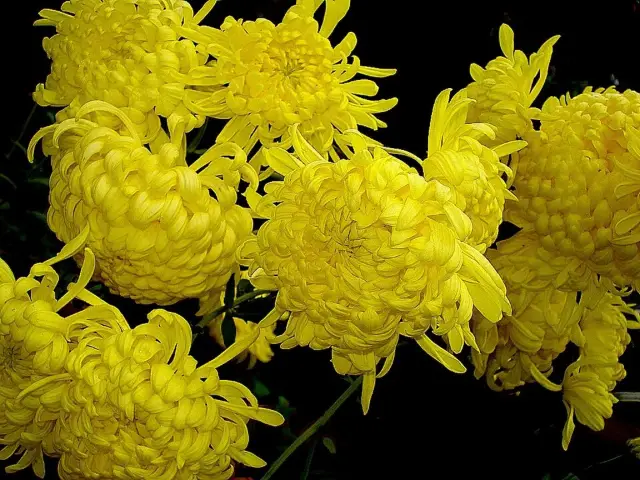
Garden mums form tidy cushions covered in blooms each fall. Flower forms include button, pompon, spider, daisy and decorative types. Colors include bronze, gold, red, purple, pink and white. Give them full sun. Hardy types also grow as perennials in Zones 5 to 9. See our full garden mums growing guide.
48. New England Aster (Symphyotrichum novae-angliae)

New England aster bears clouds of daisy-like flowers with many narrow purple or pink rays around a yellow center. Plants grow 3 to 6 feet tall. It blooms from late summer into fall in full sun. This native perennial grows in Zones 4 to 8. Also, migrating monarch butterflies rely on its late nectar.
49. Salvia (Salvia nemorosa)
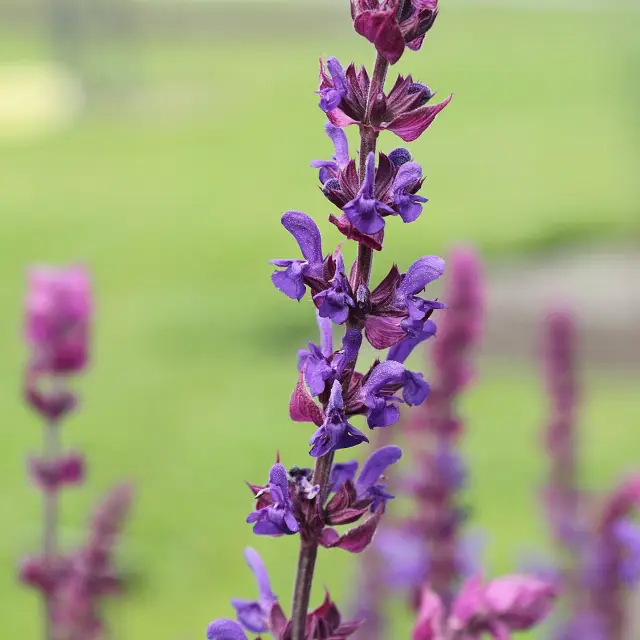
Perennial salvia sends up dense spikes of small violet-blue, purple, pink or white flowers. The leaves smell faintly of sage. It blooms from late spring into summer in full sun. Cut it back after the first flush, and it often reblooms. Hardy in Zones 4 to 8, it also resists deer.
50. Garden Phlox (Phlox paniculata)

Garden phlox carries large, domed clusters of fragrant, five-petal flowers on stems 2 to 4 feet tall. Plus, colors include pink, purple, white, red and lavender, often with a contrasting eye. It blooms from mid to late summer in full sun. This perennial grows in Zones 4 to 8. Choose mildew-resistant varieties, because humid summers bring powdery mildew.
51. Delphinium (Delphinium elatum hybrids)
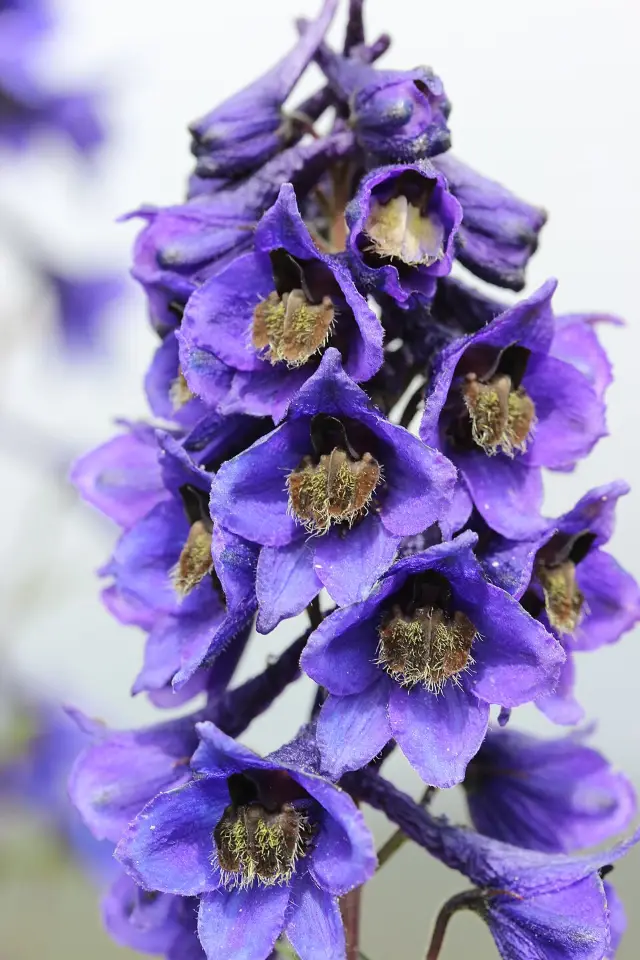
Delphiniums raise towering spikes 4 to 6 feet tall, packed with spurred flowers. They offer some of the truest blues in the garden, along with purple, white and pink. They bloom in early summer in full sun. These perennials prefer cool summers in Zones 3 to 7. Also, tall stems usually need staking.
52. Foxglove (Digitalis purpurea)
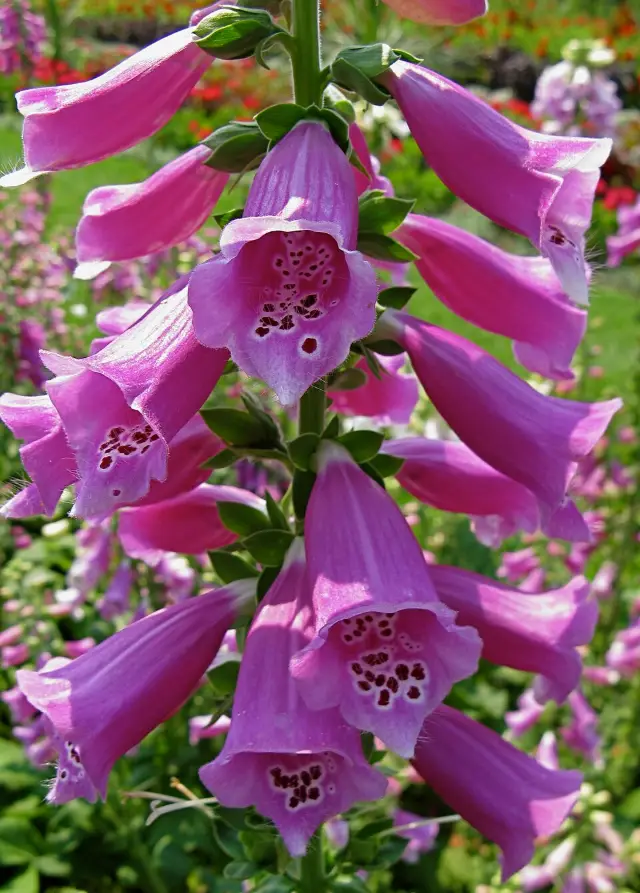
Foxglove forms tall spikes of drooping, tubular bells with heavily spotted throats. Besides that, colors include purple, pink, white and apricot. It blooms from late spring to early summer and prefers part shade. Foxglove is a biennial for Zones 4 to 8, so it flowers in its second year. All parts are poisonous.
53. Hollyhock (Alcea rosea)
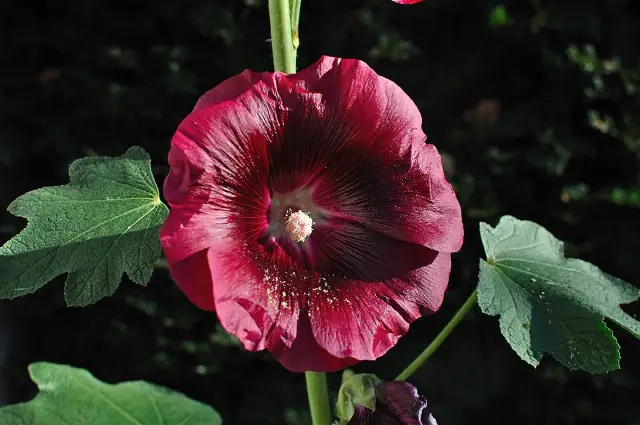
Hollyhocks grow 5 to 8 feet tall, with saucer-shaped flowers stacked along each stem. Blooms may be single or double. In addition, colors include pink, red, white, yellow and a deep maroon that looks almost black. They flower in summer in full sun. These biennials grow in Zones 3 to 8, and they reseed so easily that they seem perennial.
54. Astilbe (Astilbe × arendsii)
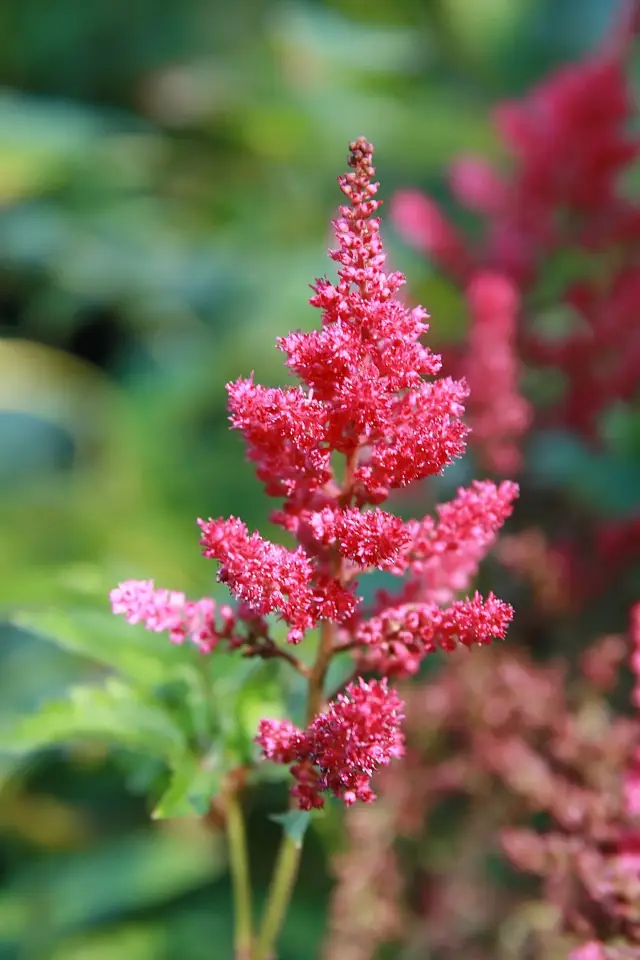
Astilbe produces feathery plumes of tiny flowers above glossy, fern-like leaves. Plus, colors include pink, red, white and lavender. It blooms from early to midsummer in part shade. Moist soil is essential, because dry soil browns the leaves. This perennial grows in Zones 4 to 8 and brightens shady corners.
55. Bleeding Heart (Lamprocapnos spectabilis)
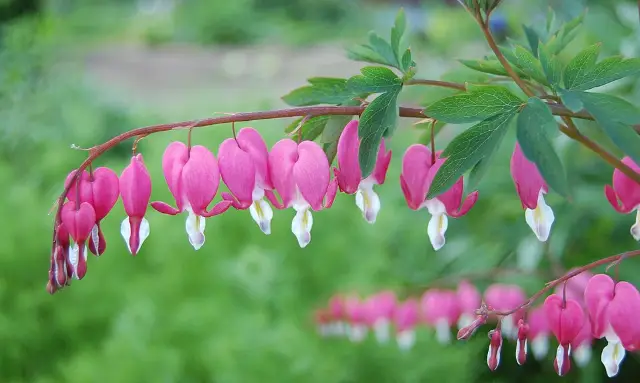
Bleeding heart has arching stems lined with dangling, heart-shaped flowers. Each pink heart has a white tip that looks like a falling drop. It blooms in spring in part shade. This perennial grows in Zones 3 to 9. However, the plant often goes dormant in summer heat, so plant hostas or ferns nearby.
56. Hellebore (Lenten Rose) (Helleborus × hybridus)

Hellebores, also called Lenten roses, have nodding, saucer-shaped flowers. What look like petals are actually long-lasting sepals. Besides that, colors include white, pink, green, plum and near-black, often speckled. They bloom from late winter into spring in part to full shade. These evergreen perennials grow in Zones 4 to 9, and deer avoid them.
57. Yarrow (Achillea millefolium)
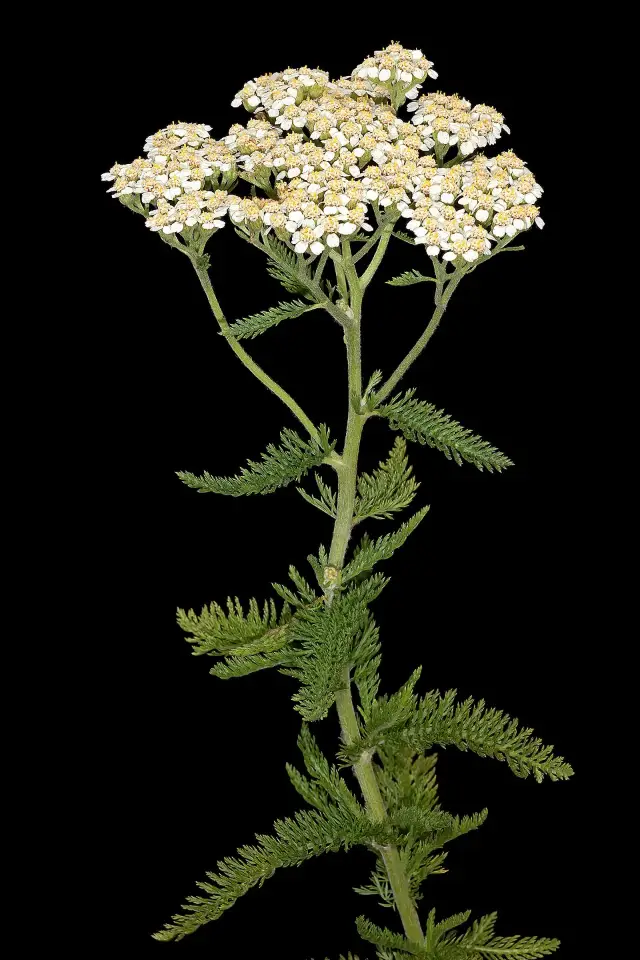
Yarrow carries flat-topped clusters of tiny flowers above feathery, aromatic leaves. Wild plants are white, while garden types add yellow, pink, red and terracotta. It blooms through summer in full sun. This tough perennial grows in Zones 3 to 9. In addition, it handles drought and poor soil with ease.
58. Coreopsis (Coreopsis grandiflora)
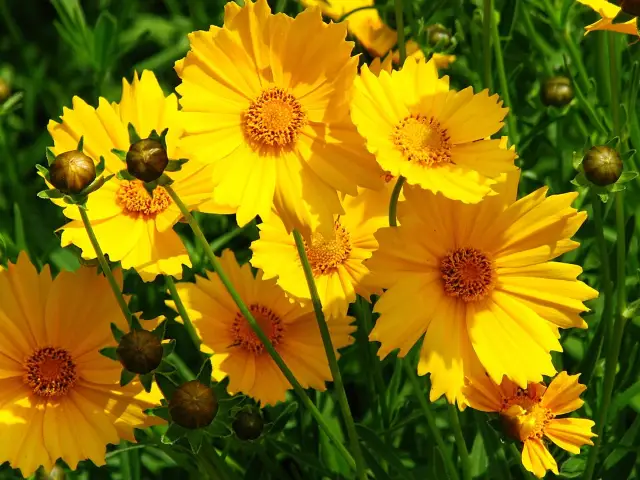
Coreopsis, often called tickseed, has cheerful yellow daisy-like flowers with notched petal tips. Some types show a red or maroon eye. It blooms from late spring through summer in full sun. Also, deadheading keeps flowers coming. This native perennial grows in Zones 4 to 9 and tolerates heat and dry soil.
59. Bee Balm (Monarda didyma)
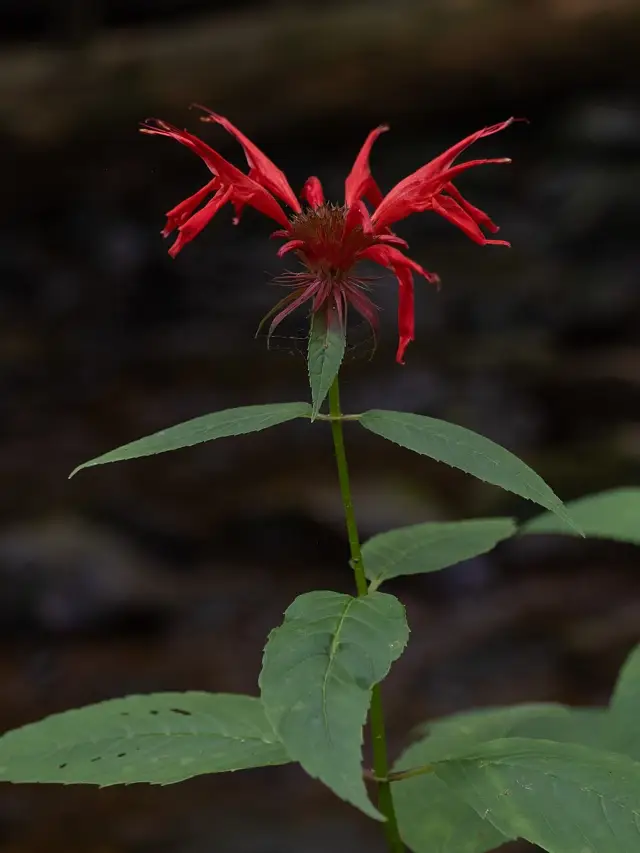
Bee balm forms shaggy, firework-like heads of tubular flowers. In addition, colors include red, pink, purple and white. It belongs to the mint family, so it has square stems and fragrant leaves. It blooms in mid to late summer in sun or part shade. This native perennial grows in Zones 4 to 9 and draws hummingbirds.
60. Carnation (Dianthus caryophyllus)
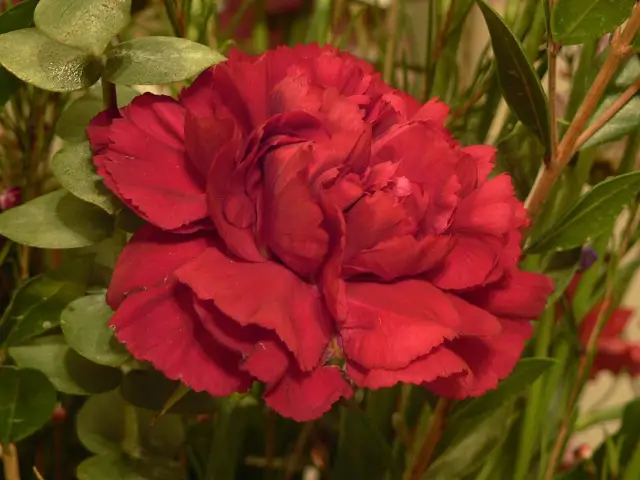
Carnations have ruffled petals with fringed edges and a spicy clove scent. Their narrow leaves are gray-blue. Plus, colors include pink, red, white, yellow, purple and striped. They bloom from late spring through summer in full sun. They are perennials in Zones 6 to 9, but many gardeners grow them as annuals.
61. Lupine (Lupinus polyphyllus)
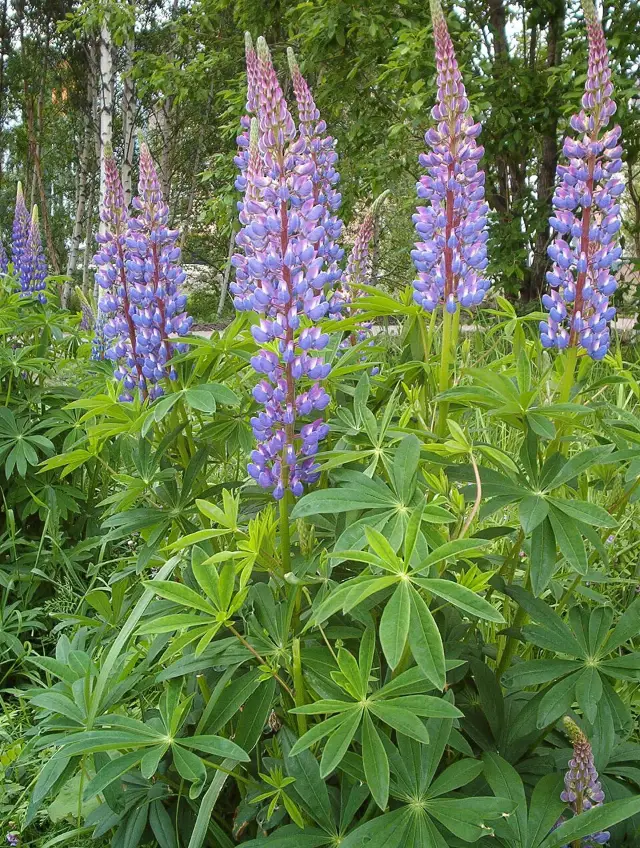
Lupines raise dense spires of pea-like flowers above palm-shaped leaves. Besides that, colors include purple, blue, pink, red, yellow, white and bicolors. They bloom from late spring to early summer in full sun. These perennials prefer cool summers in Zones 4 to 8. However, hot, humid weather often shortens their life.
62. Columbine (Aquilegia vulgaris)

Columbine has nodding flowers with long spurs that sweep backward like a jester’s cap. In addition, colors include blue, purple, pink, red, white and yellow, often in bicolors. It blooms in spring in part shade. This perennial grows in Zones 3 to 8. Although individual plants are short-lived, they reseed freely.
63. Sedum (Stonecrop) (Hylotelephium spectabile)
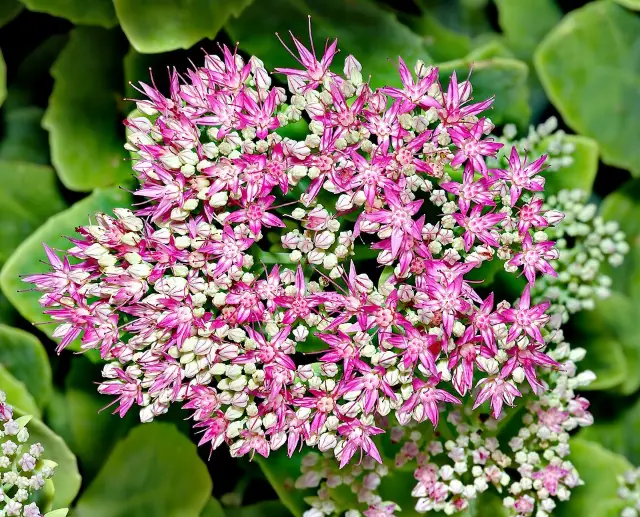
Tall sedum has thick, succulent leaves and flat, broccoli-like flower heads. The flowers open pink in late summer, then deepen to rusty red in fall. Bees and butterflies crowd the blooms. Give it full sun and well-drained soil. This drought-tolerant perennial grows in Zones 3 to 9.
64. Blanket Flower (Gaillardia × grandiflora)
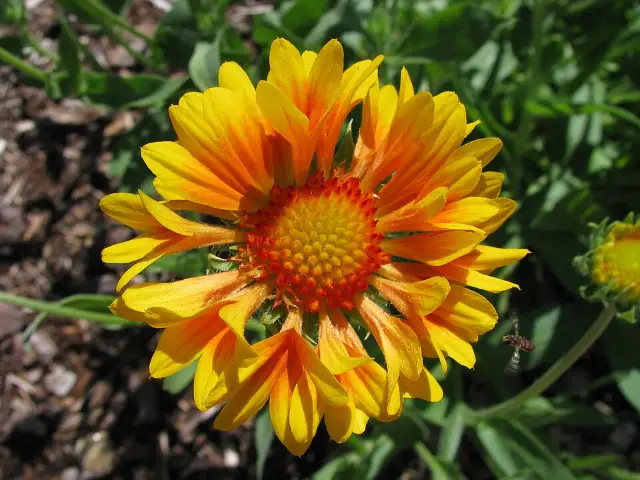
Blanket flower has daisy-like blooms with red petals tipped in yellow around a reddish-brown center. Some types are solid red, orange or yellow. It flowers from early summer into fall in full sun. This heat-loving perennial grows in Zones 3 to 10. Meanwhile, rich soil and overwatering shorten its life.
Flowering Shrubs and Climbers
Flowering shrubs give a garden lasting structure as well as color. Unlike perennials, they keep woody stems above ground all winter. Depending on the species, they bloom on old wood, new wood, or sometimes both.
Pruning time matters. Shrubs that bloom on old wood, like lilac and forsythia, need pruning right after flowering. Otherwise, you remove next year’s buds. Meanwhile, butterfly bush and rose of Sharon bloom on new wood.
Climbers add height where space is tight. Some twine around supports, like wisteria and morning glory. Clematis grips with leaf stalks, while sweet peas use tendrils. Give every vine a sturdy trellis, arbor or fence.
65. Rose (Rosa spp.)
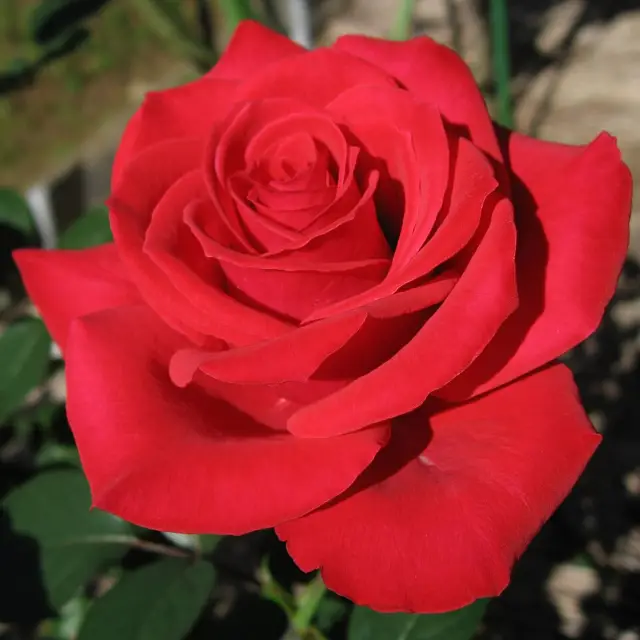
Roses have layered petals, thorny canes and leaves made of several leaflets. Types include hybrid teas, floribundas, shrub roses and climbers. Colors cover nearly everything except true blue. Repeat bloomers flower from late spring to fall. Also, they need at least six hours of full sun. Hardiness ranges from Zone 3 to Zone 11, depending on type.
66. Bigleaf Hydrangea (Hydrangea macrophylla)
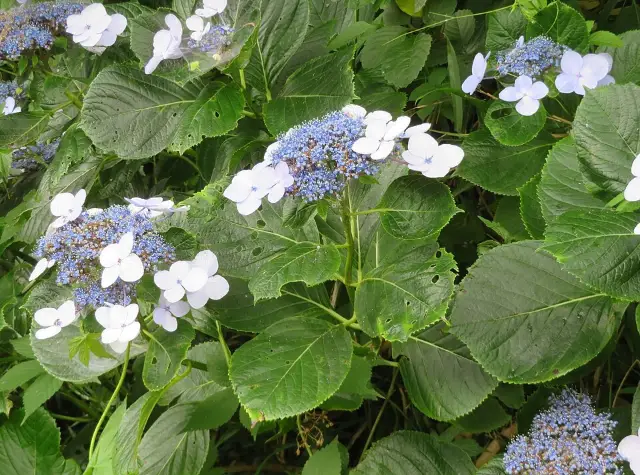
Bigleaf hydrangea forms round mophead or flat lacecap flower clusters. Interestingly, soil pH sets the color: acidic soil gives blue flowers, while alkaline soil gives pink. White types stay white. It blooms in summer and prefers morning sun with afternoon shade. This shrub grows in Zones 5 to 9.
67. Azalea (Rhododendron spp.)
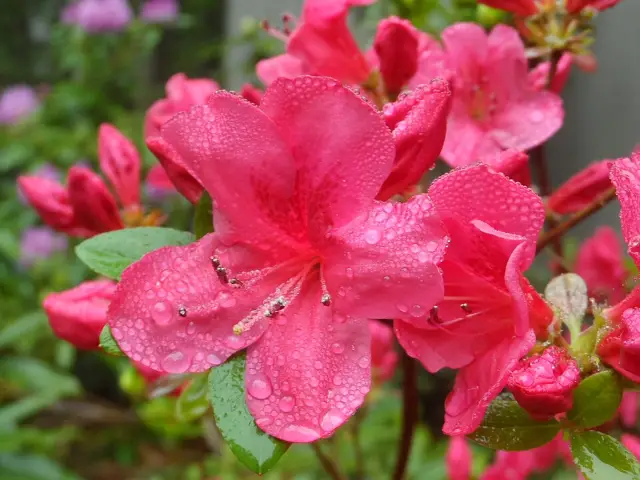
Azaleas are rhododendrons that cover themselves in funnel-shaped flowers each spring. Plus, colors include pink, red, white, purple, orange and coral. Most prefer dappled part shade and acidic, well-drained soil. Evergreen and deciduous types both exist. Depending on the variety, azaleas grow in Zones 5 to 9.
68. Lilac (Syringa vulgaris)

Lilac produces cone-shaped clusters of tiny, four-petal flowers with a famous sweet fragrance. Besides that, colors include lilac purple, white, pink, magenta and blue-violet. The leaves are heart-shaped. It blooms in mid to late spring in full sun. This shrub needs cold winters, so it grows best in Zones 3 to 7.
69. Camellia (Camellia japonica)

Camellias have glossy, dark evergreen leaves and formal, rose-like or peony-like blooms 3 to 5 inches wide. In addition, colors include red, pink, white and bicolors. They bloom from late fall through spring, depending on the variety. Give them part shade and acidic soil. Camellias grow in Zones 7 to 9.
70. Gardenia (Gardenia jasminoides)

Gardenias have waxy, creamy white double flowers with an intensely sweet scent. The glossy, dark green leaves stay on all year. They bloom from late spring into summer. Also, give them morning sun, afternoon shade and moist, acidic soil. Gardenias grow outdoors in Zones 8 to 11.
71. Butterfly Bush (Buddleja davidii)

Butterfly bush has arching branches tipped with long, cone-shaped spikes of tiny, honey-scented flowers. Plus, colors include purple, pink, white and dark navy. It blooms from summer to fall in full sun and draws butterflies. It grows in Zones 5 to 9. Because it spreads in some states, choose sterile, seedless cultivars.
72. Forsythia (Forsythia × intermedia)

Forsythia lights up early spring with bright yellow, four-petal bells along bare stems. The flowers appear before the leaves, so the whole shrub glows gold. Give it full sun for the best show. It grows in Zones 5 to 8. Prune right after flowering, because next year’s buds form in summer.
73. Saucer Magnolia (Magnolia × soulangeana)

Saucer magnolia opens large, goblet-shaped flowers on bare branches in early spring. Petals are white inside and flushed pink to purple outside. It grows as a small tree or large shrub, about 20 to 25 feet tall. Give it full sun in Zones 4 to 9. However, late frosts can brown the blooms.
74. Rose of Sharon (Hibiscus syriacus)

Rose of Sharon is a hardy hibiscus with five-petal flowers 2 to 4 inches wide, usually with a dark red eye. Colors include white, pink, purple and lavender-blue. It blooms in mid to late summer, after most shrubs finish. Give it full sun in Zones 5 to 9. However, it reseeds heavily.
75. Clematis (Clematis spp.)
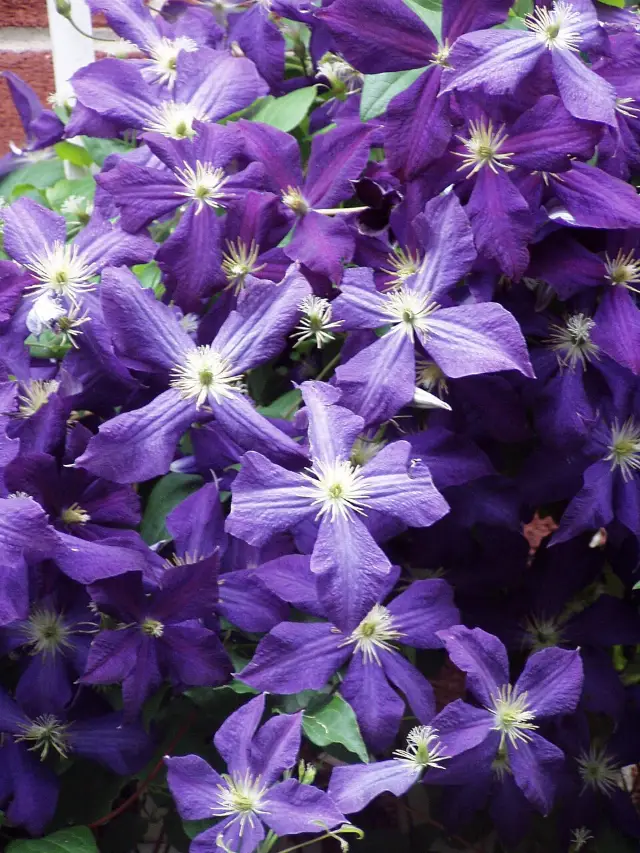
Clematis vines open large, flat, star-shaped flowers with four to six velvety sepals. The popular ‘Jackmanii’ is deep purple, while other types are blue, pink, white or red. They bloom from late spring through summer. Keep the vines in sun but the roots cool and shaded. Most grow in Zones 4 to 8.
76. Wisteria (Wisteria sinensis)

Chinese wisteria drops long, hanging chains of fragrant, pea-like flowers in spring. Besides that, colors include lavender, violet and white. This woody vine needs full sun, strong support and regular pruning. It grows in Zones 5 to 9 and can spread aggressively. For that reason, many gardeners plant native American wisteria instead.
77. Morning Glory (Ipomoea purpurea)
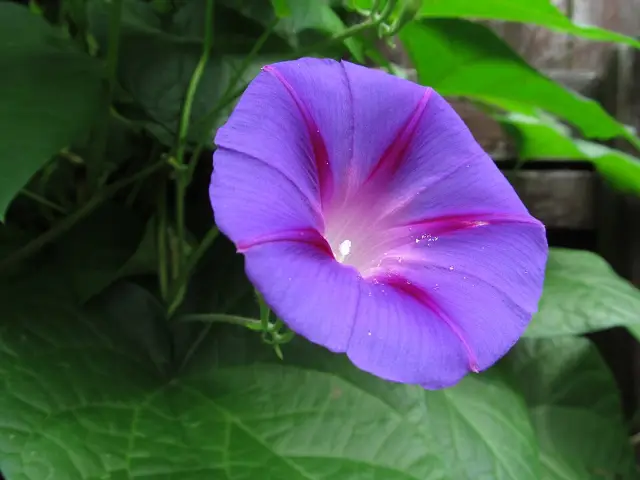
Morning glory is an annual vine with heart-shaped leaves and trumpet flowers. Each bloom opens in the morning and closes by afternoon. In addition, colors include purple, blue, pink, magenta and white. It flowers from summer to fall in full sun and climbs 6 to 10 feet. It also self-sows freely.
78. Trumpet Honeysuckle (Lonicera sempervirens)

Trumpet honeysuckle carries clusters of slender, tubular flowers that are coral red outside and yellow inside. It blooms from spring into summer in sun or part shade. This native vine grows in Zones 4 to 9. Unlike Japanese honeysuckle, it is not invasive, and hummingbirds visit it constantly.
Wildflowers and Native Flowers
Wildflowers grow without human help in meadows, prairies, woodlands and roadsides. Native wildflowers evolved in a region, so they suit its soil, rainfall and insects. As a result, they often need less water and fertilizer.
Native flowers also feed local wildlife. Monarch caterpillars, for example, eat only milkweed, including butterfly weed. Similarly, native bees depend on goldenrod and asters in fall. A few natives can turn a yard into habitat.
To check whether a flower is native in your state, search the NC State Extension Plant Toolbox or a local extension office. Also, buy nursery-grown plants or seeds, and never dig wildflowers from the wild.
79. Cornflower (Bachelor’s Button) (Centaurea cyanus)
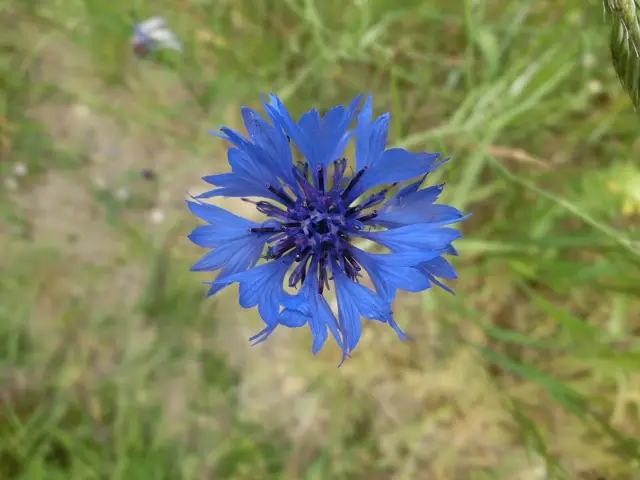
Cornflower, also called bachelor’s button, has fringed flower heads about 1 inch wide. The classic color is a vivid blue, but pink, white, purple and maroon also exist. Leaves are narrow and gray-green. It blooms from late spring into summer in full sun. This annual self-sows easily.
80. California Poppy (Eschscholzia californica)
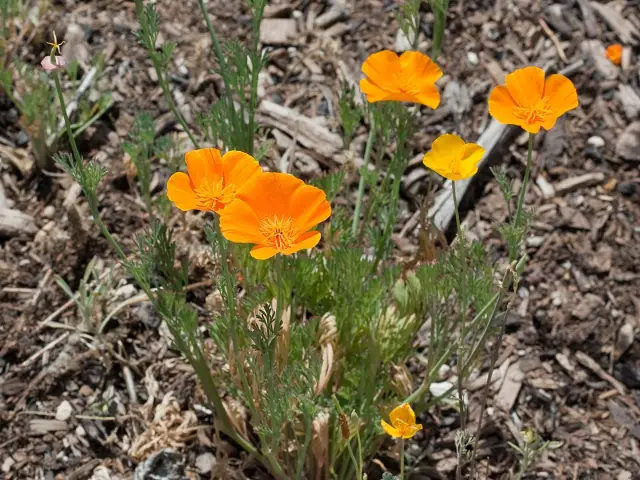
California poppies have silky, cup-shaped flowers that close at night and on cloudy days. The classic color is bright orange, with yellow, cream, pink and red forms too. Meanwhile, blue-green, finely cut leaves sit below. They bloom in spring and early summer in full sun. They grow as annuals in most zones.
81. Texas Bluebonnet (Lupinus texensis)

Texas bluebonnet carries spikes of blue, pea-like flowers with white tips. After pollination, the white spot turns reddish purple. The leaves divide into five leaflets like a hand. It blooms in spring in full sun. Sow this winter annual in fall. It is also the state flower of Texas.
82. Indian Paintbrush (Castilleja coccinea)

Indian paintbrush looks dipped in red paint. The bright scarlet or orange parts are actually bracts surrounding small, greenish flowers. It blooms from spring into summer in full sun. This native wildflower grows in Zones 4 to 8. It partly feeds on the roots of nearby grasses, so it is hard to transplant.
83. Butterfly Weed (Asclepias tuberosa)
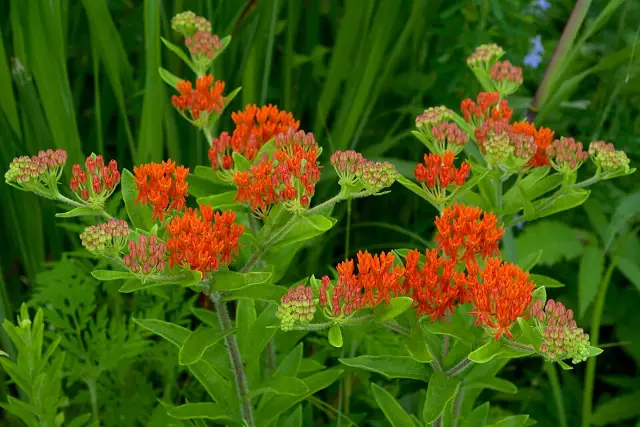
Butterfly weed forms flat-topped clusters of bright orange, star-shaped flowers. It blooms in summer in full sun. This native milkweed grows in Zones 3 to 9 and serves as a host plant for monarch caterpillars. Its deep taproot helps it handle drought. However, that taproot also makes moving it difficult.
84. Goldenrod (Solidago spp.)
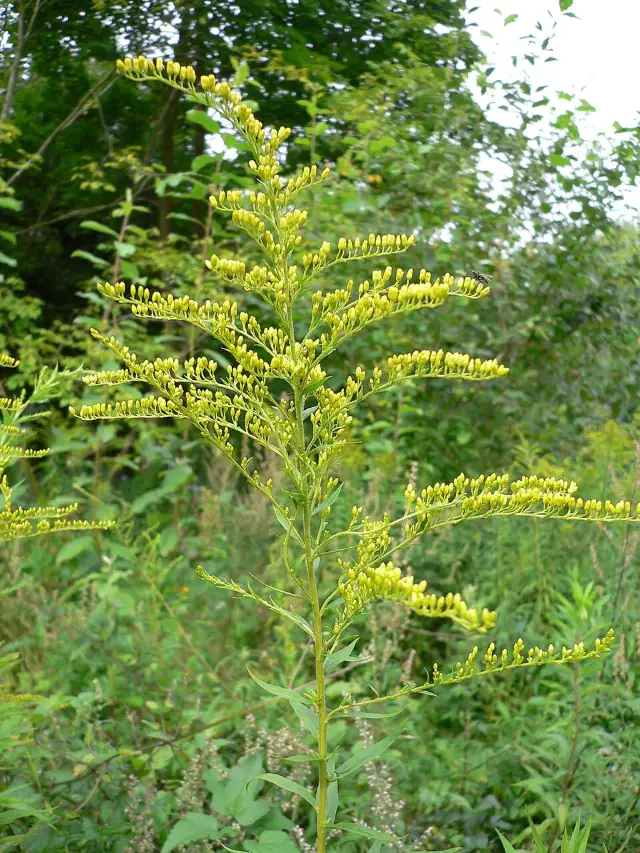
Goldenrod carries arching plumes of tiny golden-yellow flowers from late summer into fall. It grows in full sun in Zones 3 to 9. Many people blame it for hay fever. In fact, ragweed causes those allergies, while goldenrod pollen is too heavy to blow far. Plus, bees love it.
85. Cardinal Flower (Lobelia cardinalis)

Cardinal flower raises tall spikes of vivid scarlet, tubular flowers. It blooms in mid to late summer in sun or part shade. It loves moist or even wet soil, so it suits pond edges and rain gardens. This native perennial grows in Zones 3 to 9. Hummingbirds are its main pollinators.
86. Queen Anne’s Lace (Daucus carota)

Queen Anne’s lace forms flat, lacy clusters of tiny white flowers, often with one dark purple floret in the middle. Its leaves look like carrot tops. It blooms in summer in full sun. It is a biennial wild carrot. Be careful, because toxic poison hemlock looks similar but has smooth, purple-blotched stems.
87. Forget-Me-Not (Myosotis sylvatica)
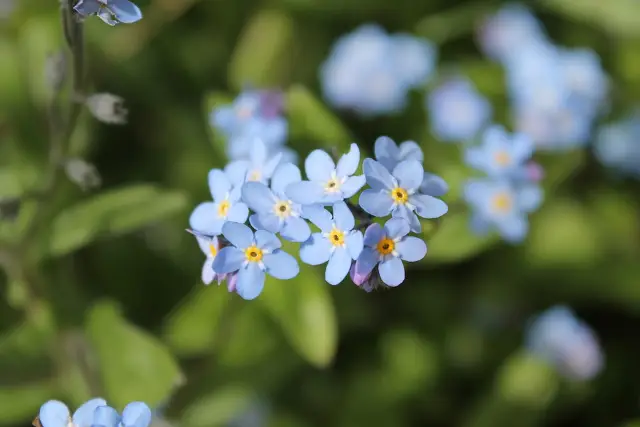
Forget-me-nots carry loose sprays of tiny, sky-blue flowers with yellow eyes. Pink and white forms also exist. They bloom in spring and prefer part shade with moist soil. Woodland forget-me-not is a biennial or short-lived perennial for Zones 3 to 8. It self-sows readily, so it returns each year.
88. Corn Poppy (Papaver rhoeas)
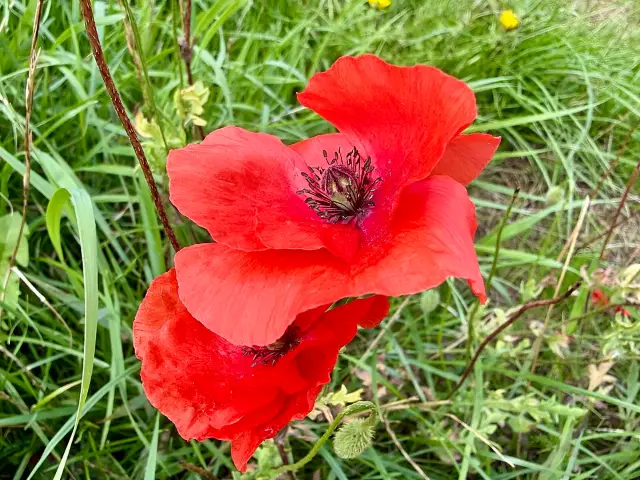
Corn poppy has papery, bright scarlet petals, often with a black blotch at the base. Hairy buds nod before they open. It blooms from late spring into summer in full sun. This annual self-sows freely. Shirley poppy selections add pink, white and salmon. It is also the classic remembrance poppy.
89. Virginia Bluebells (Mertensia virginica)

Virginia bluebells open from pink buds into nodding, sky-blue, trumpet-shaped bells. They bloom in early spring in part to full shade. This native perennial grows in Zones 3 to 8. It is a spring ephemeral, so the leaves yellow and vanish by early summer. Mark its spot before it disappears.
Tropical and Houseplant Flowers
Tropical flowers come from regions without frost. In the United States, most of them live outdoors only in Zones 9 to 12. Everywhere else, gardeners grow them indoors as houseplants or as summer container plants.
Indoor bloomers need more light than foliage houseplants. A bright east or west window usually works. Also, many tropical plants need a trigger to flower, such as long nights, cooler temperatures or a dry rest.
Several of these flowers are seasonal gift plants. Amaryllis, Christmas cactus and kalanchoe often arrive in winter. With the right care, however, each one can rebloom for years instead of heading to the compost pile.
90. Moth Orchid (Phalaenopsis spp.)
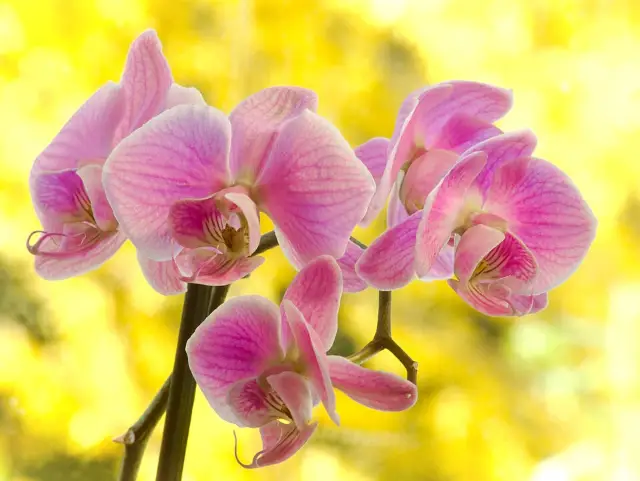
Moth orchids carry flat, rounded flowers along arching spikes, each with a showy lip in the center. Plus, colors include white, pink, purple, yellow and spotted patterns. A single spike can bloom for two to three months, usually from winter into spring. Also, give them bright, indirect light. They live outdoors only in Zones 10 to 12.
91. Amaryllis (Hippeastrum spp.)
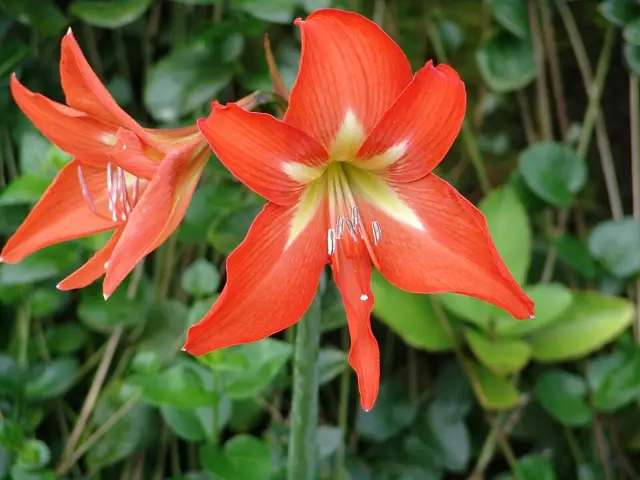
Amaryllis bulbs produce huge trumpet-shaped flowers, 4 to 10 inches wide, on hollow stalks. Each stalk holds two to four blooms. Colors include red, white, pink, salmon and striped. Indoors, they flower in winter, roughly six to ten weeks after potting. Outdoors, they grow in Zones 8 to 10. Read our amaryllis growing guide.
92. Peace Lily (Spathiphyllum wallisii)

Peace lily has a white, hood-like spathe wrapped around a cream spadix. Glossy, dark leaves arch from the base. It blooms mainly in spring and summer. Also, this popular houseplant tolerates low to medium indirect light. It grows outdoors only in Zones 11 and 12. It is toxic to pets.
93. African Violet (Streptocarpus ionanthus (Saintpaulia))
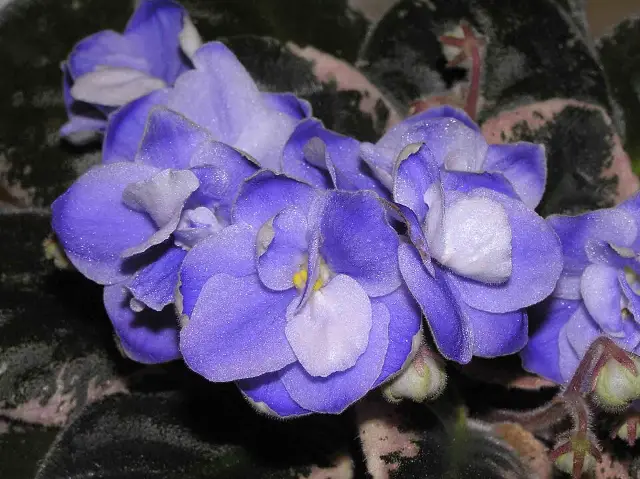
African violets form rosettes of fuzzy, rounded leaves. Small clusters of single or double flowers sit above them in violet, purple, pink, blue or white. With bright, indirect light, they bloom almost year-round indoors. Water from the bottom, because cold water spots the leaves. Outdoors, they suit only Zones 11 and 12.
94. Bird of Paradise (Strelitzia reginae)

Bird of paradise flowers look like a crested bird’s head. Orange sepals and blue petals rise from a beak-shaped green bract. Large, banana-like leaves grow on long stalks. In warm climates, it blooms from fall to spring in full sun. It grows outdoors in Zones 10 to 12. Indoors, it needs strong light to flower.
95. Tropical Hibiscus (Hibiscus rosa-sinensis)
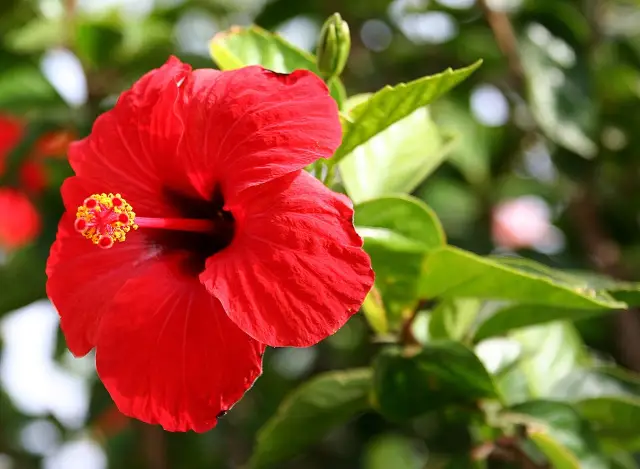
Tropical hibiscus has glossy leaves and big flowers 4 to 8 inches wide. A long column of stamens sticks out from the center. Colors include red, pink, orange, yellow and peach. Each bloom lasts about one day, but new ones open from spring to fall. Give it full sun in Zones 9 to 11.
96. Bougainvillea (Bougainvillea glabra)

Bougainvillea’s color comes from papery bracts in magenta, pink, purple, red, orange or white. The true flowers are tiny, white and tubular. This thorny vine blooms from spring to fall in full sun. It grows outdoors in Zones 9 to 11. Interestingly, it blooms best when the soil stays slightly dry.
97. Plumeria (Frangipani) (Plumeria rubra)

Plumeria, or frangipani, has waxy, five-petal flowers arranged like a pinwheel. The scent is sweet and strong. Colors include white with a yellow center, pink, red and yellow. It blooms in summer in full sun. It grows outdoors in Zones 10 to 12. In Hawaii, people often string the flowers into leis.
98. Anthurium (Anthurium andraeanum)
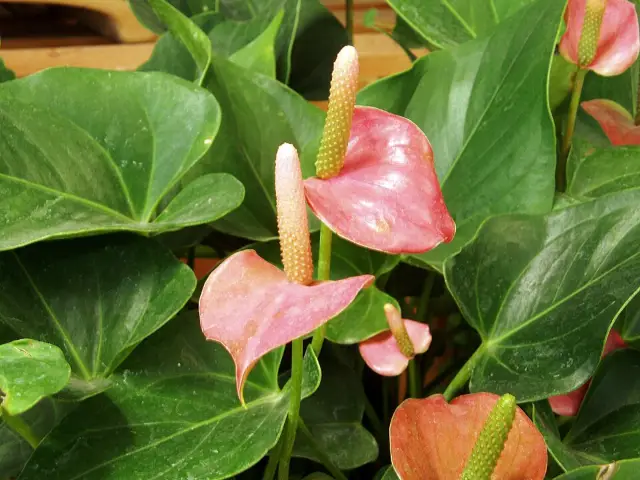
Anthurium, also called flamingo flower, has a glossy, heart-shaped spathe in red, pink or white. A slender spadix stands upright in the center. Each bloom lasts for weeks. Indoors, it flowers almost year-round in bright, indirect light. Outdoors, it suits only Zones 11 and 12.
99. Christmas Cactus (Schlumbergera × buckleyi)
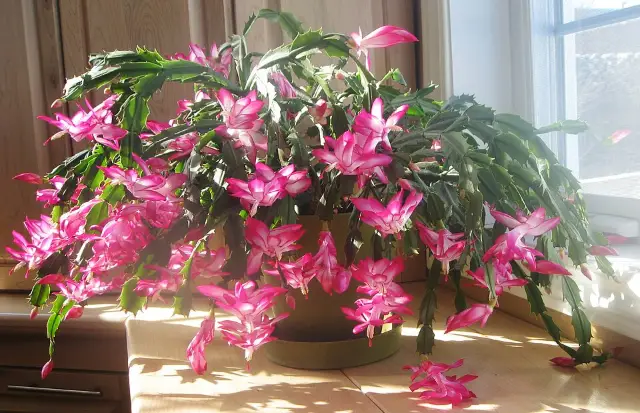
Christmas cactus has flat, segmented stems with rounded edges. Tubular flowers with swept-back petals hang from the stem tips. Colors include pink, red, magenta, white and salmon. Long nights and cool temperatures trigger blooms in late fall and winter. Keep it in bright, indirect light. Outdoors, it suits Zones 10 to 12.
100. Kalanchoe (Kalanchoe blossfeldiana)

Kalanchoe carries dense clusters of small, four-petal flowers above thick, scalloped, succulent leaves. Colors include red, orange, yellow, pink and white. It blooms from winter into spring, and each flush lasts several weeks. Give it bright light and let the soil dry between waterings. Outdoors, it grows in Zones 10 to 12.
Types of Flowers Quick-Reference Table
Use this table to compare all 100 flowers at a glance. Each row lists the flower type, bloom season, sun needs and USDA zones. Then scroll up to the matching picture for a closer look.
Read the zones column carefully. A range such as 3-8 means the plant survives winter in those zones. Meanwhile, annual means you replant it yearly, whatever your zone. Houseplant zones show where they live outdoors.
Sun needs follow standard nursery terms. Full sun means at least six hours of direct sun daily. In contrast, part shade means three to six hours, ideally morning sun. Full shade means under three hours.
| # | Flower | Type | Bloom Season | Sun | USDA Zones |
|---|---|---|---|---|---|
| 1 | Tulip | Perennial bulb | Spring | Full sun | 3-8 |
| 2 | Daffodil | Perennial bulb | Early spring | Full sun to part shade | 3-9 |
| 3 | Hyacinth | Perennial bulb | Spring | Full sun | 4-8 |
| 4 | Crocus | Perennial corm | Late winter to early spring | Full sun | 3-8 |
| 5 | Grape Hyacinth | Perennial bulb | Spring | Full sun to part shade | 4-8 |
| 6 | Snowdrop | Perennial bulb | Late winter | Part shade | 3-7 |
| 7 | Allium | Perennial bulb | Late spring | Full sun | 5-8 |
| 8 | Bearded Iris | Perennial rhizome | Late spring | Full sun | 3-9 |
| 9 | Ranunculus | Tender perennial (tuberous root) | Spring | Full sun | 8-11 |
| 10 | Anemone | Tender perennial corm | Spring | Full sun to part shade | 7-10 |
| 11 | Lily | Perennial bulb | Summer | Full sun | 4-9 |
| 12 | Dahlia | Tender perennial tuber | Midsummer to frost | Full sun | 8-11 |
| 13 | Gladiolus | Tender perennial corm | Summer | Full sun | 8-10 |
| 14 | Calla Lily | Tender perennial rhizome | Late spring to summer | Full sun to part shade | 8-10 |
| 15 | Canna Lily | Tender perennial rhizome | Summer to fall | Full sun | 8-11 |
| 16 | Crocosmia | Perennial corm | Mid to late summer | Full sun | 6-9 |
| 17 | Freesia | Tender perennial corm | Spring (or summer from spring planting) | Full sun | 9-10 |
| 18 | Agapanthus | Perennial (rhizome) | Summer | Full sun | 8-11 |
| 19 | Sunflower | Annual | Summer to early fall | Full sun | Annual (all zones) |
| 20 | Zinnia | Annual | Summer to frost | Full sun | Annual (all zones) |
| 21 | Marigold | Annual | Summer to frost | Full sun | Annual (all zones) |
| 22 | Petunia | Annual | Spring to frost | Full sun | Annual (perennial 9-11) |
| 23 | Cosmos | Annual | Summer to frost | Full sun | Annual (all zones) |
| 24 | Impatiens | Annual | Spring to frost | Part to full shade | Annual (perennial 10-11) |
| 25 | Wax Begonia | Annual | Spring to frost | Part shade | Annual (perennial 10-11) |
| 26 | Geranium | Annual | Spring to frost | Full sun | Annual (perennial 10-11) |
| 27 | Snapdragon | Annual (short-lived perennial 7-10) | Spring and fall | Full sun | Annual (perennial 7-10) |
| 28 | Pansy | Cool-season annual | Fall to spring | Full sun to part shade | Annual (overwinters 6-9) |
| 29 | Sweet Alyssum | Annual | Spring to fall | Full sun to part shade | Annual (all zones) |
| 30 | Nasturtium | Annual | Summer to fall | Full sun | Annual (all zones) |
| 31 | Celosia | Annual | Summer to frost | Full sun | Annual (all zones) |
| 32 | Lobelia | Annual | Spring to early summer | Full sun to part shade | Annual (all zones) |
| 33 | Verbena | Annual | Summer to frost | Full sun | Annual (perennial 9-11) |
| 34 | Calendula | Cool-season annual | Spring and fall | Full sun | Annual (all zones) |
| 35 | Sweet Pea | Annual vine | Spring to early summer | Full sun | Annual (all zones) |
| 36 | Spider Flower | Annual | Summer to frost | Full sun | Annual (all zones) |
| 37 | Vinca (Madagascar Periwinkle) | Annual | Summer to frost | Full sun | Annual (perennial 10-11) |
| 38 | Lantana | Annual (perennial 8-11) | Summer to frost | Full sun | Annual (perennial 8-11) |
| 39 | Gerbera Daisy | Annual (perennial 9-11) | Spring to fall | Full sun | Annual (perennial 9-11) |
| 40 | Stock | Cool-season annual | Spring | Full sun | Annual (all zones) |
| 41 | Peony | Perennial | Late spring | Full sun | 3-8 |
| 42 | Daylily | Perennial | Summer | Full sun | 3-9 |
| 43 | Lavender | Perennial (subshrub) | Early to midsummer | Full sun | 5-8 |
| 44 | Purple Coneflower | Perennial | Summer | Full sun | 3-8 |
| 45 | Black-Eyed Susan | Short-lived perennial | Summer to fall | Full sun | 3-9 |
| 46 | Shasta Daisy | Perennial | Early to late summer | Full sun | 5-9 |
| 47 | Garden Mum | Perennial | Fall | Full sun | 5-9 |
| 48 | New England Aster | Perennial | Late summer to fall | Full sun | 4-8 |
| 49 | Salvia | Perennial | Late spring to summer | Full sun | 4-8 |
| 50 | Garden Phlox | Perennial | Mid to late summer | Full sun | 4-8 |
| 51 | Delphinium | Perennial | Early summer | Full sun | 3-7 |
| 52 | Foxglove | Biennial | Late spring to early summer | Part shade | 4-8 |
| 53 | Hollyhock | Biennial | Summer | Full sun | 3-8 |
| 54 | Astilbe | Perennial | Early to midsummer | Part shade | 4-8 |
| 55 | Bleeding Heart | Perennial | Spring | Part shade | 3-9 |
| 56 | Hellebore (Lenten Rose) | Perennial | Late winter to spring | Part to full shade | 4-9 |
| 57 | Yarrow | Perennial | Summer | Full sun | 3-9 |
| 58 | Coreopsis | Perennial | Late spring to late summer | Full sun | 4-9 |
| 59 | Bee Balm | Perennial | Mid to late summer | Full sun to part shade | 4-9 |
| 60 | Carnation | Perennial | Late spring to summer | Full sun | 6-9 |
| 61 | Lupine | Perennial | Late spring to early summer | Full sun | 4-8 |
| 62 | Columbine | Perennial | Spring | Part shade | 3-8 |
| 63 | Sedum (Stonecrop) | Perennial | Late summer to fall | Full sun | 3-9 |
| 64 | Blanket Flower | Perennial | Summer to fall | Full sun | 3-10 |
| 65 | Rose | Shrub | Late spring to fall | Full sun | 3-11 (by type) |
| 66 | Bigleaf Hydrangea | Shrub | Summer | Part shade | 5-9 |
| 67 | Azalea | Shrub | Spring | Part shade | 5-9 |
| 68 | Lilac | Shrub | Mid to late spring | Full sun | 3-7 |
| 69 | Camellia | Evergreen shrub | Late fall to spring | Part shade | 7-9 |
| 70 | Gardenia | Evergreen shrub | Late spring to summer | Part shade | 8-11 |
| 71 | Butterfly Bush | Shrub | Summer to fall | Full sun | 5-9 |
| 72 | Forsythia | Shrub | Early spring | Full sun | 5-8 |
| 73 | Saucer Magnolia | Tree or large shrub | Early spring | Full sun | 4-9 |
| 74 | Rose of Sharon | Shrub | Mid to late summer | Full sun | 5-9 |
| 75 | Clematis | Perennial vine | Late spring to summer | Full sun (roots shaded) | 4-8 |
| 76 | Wisteria | Woody vine | Spring | Full sun | 5-9 |
| 77 | Morning Glory | Annual vine | Summer to fall | Full sun | Annual (all zones) |
| 78 | Trumpet Honeysuckle | Woody vine | Spring to summer | Full sun to part shade | 4-9 |
| 79 | Cornflower (Bachelor’s Button) | Annual | Late spring to summer | Full sun | Annual (all zones) |
| 80 | California Poppy | Annual (perennial 8-10) | Spring to early summer | Full sun | Annual (perennial 8-10) |
| 81 | Texas Bluebonnet | Winter annual | Spring | Full sun | Annual (best 7-9) |
| 82 | Indian Paintbrush | Annual or biennial | Spring to summer | Full sun | 4-8 |
| 83 | Butterfly Weed | Perennial | Summer | Full sun | 3-9 |
| 84 | Goldenrod | Perennial | Late summer to fall | Full sun | 3-9 |
| 85 | Cardinal Flower | Perennial | Mid to late summer | Full sun to part shade | 3-9 |
| 86 | Queen Anne’s Lace | Biennial | Summer | Full sun | 3-9 |
| 87 | Forget-Me-Not | Biennial | Spring | Part shade | 3-8 |
| 88 | Corn Poppy | Annual | Late spring to summer | Full sun | Annual (all zones) |
| 89 | Virginia Bluebells | Perennial (spring ephemeral) | Early spring | Part to full shade | 3-8 |
| 90 | Moth Orchid | Tropical perennial (houseplant) | Winter to spring | Bright indirect light | 10-12 |
| 91 | Amaryllis | Tender bulb | Winter (indoors), spring (outdoors) | Bright light; full sun to part shade outdoors | 8-10 |
| 92 | Peace Lily | Tropical perennial (houseplant) | Spring to summer | Low to medium indirect light | 10-12 |
| 93 | African Violet | Tropical perennial (houseplant) | Year-round indoors | Bright indirect light | 11-12 |
| 94 | Bird of Paradise | Tropical perennial | Fall to spring | Full sun | 10-12 |
| 95 | Tropical Hibiscus | Tropical shrub | Spring to fall | Full sun | 9-11 |
| 96 | Bougainvillea | Tropical woody vine | Spring to fall | Full sun | 9-11 |
| 97 | Plumeria (Frangipani) | Tropical tree or shrub | Summer | Full sun | 10-12 |
| 98 | Anthurium | Tropical perennial (houseplant) | Year-round indoors | Bright indirect light | 11-12 |
| 99 | Christmas Cactus | Tropical succulent (houseplant) | Late fall to winter | Bright indirect light | 10-12 |
| 100 | Kalanchoe | Succulent perennial (houseplant) | Winter to spring | Bright light | 10-12 |
FAQs About Types of Flowers
What Are the 3 Main Types of Flowers?
Gardeners usually sort flowers into annuals, perennials and biennials. Annuals live one season, perennials return for years, and biennials flower in their second year before dying.
What Is the Most Popular Flower in the United States?
The rose remains the most popular flower in the United States. It is also the national flower. Tulips, lilies, sunflowers, carnations and chrysanthemums follow close behind.
Which Flowers Are Easiest for Beginners?
Zinnias, marigolds, sunflowers, cosmos and nasturtiums grow quickly from seed. For perennials, try daylilies, black-eyed Susans, coneflowers and yarrow. All of them tolerate heat and imperfect soil.
What Flowers Grow Well in Shade?
Impatiens, wax begonias, astilbe, bleeding heart, hellebores and foxglove all bloom in part shade. Indoors, peace lilies flower in low to medium light.
Which Flowers Attract Hummingbirds and Butterflies?
Tubular red flowers draw hummingbirds, including cardinal flower, bee balm, crocosmia and trumpet honeysuckle. Butterflies prefer flat landing pads, such as zinnias, coneflowers, butterfly weed, lantana and asters.
Which Flowers Are Toxic to Pets?
Lilies are extremely dangerous to cats. Daffodils, tulips, foxglove, lantana, azaleas and hydrangeas can also cause harm. Check the ASPCA plant list before planting near pets.
Related flower guides
More guides you might enjoy.

Pingback: Celosia (Cockscomb): Types, Growing Tips and Meaning
Pingback: White Flowers: 40 Beautiful White Blooms for Every Garden
Pingback: Cut Flower Garden: Plan, Plant and Harvest Bouquets
Pingback: Black Bat Flower: How to Grow Tacca Chantrieri
Pingback: Protea Flower: Types, Meaning and How to Grow Them
Pingback: Bird of Paradise Flower: How to Grow It and Get Blooms
Pingback: Rarest Flowers in the World: 20 Blooms Few People Ever See