Bird of Paradise Flower: How to Grow and Get It to Bloom
How to grow the bird of paradise flower outdoors and in pots, how Strelitzia reginae differs from white bird of paradise, and five proven fixes for a plant that refuses to bloom.
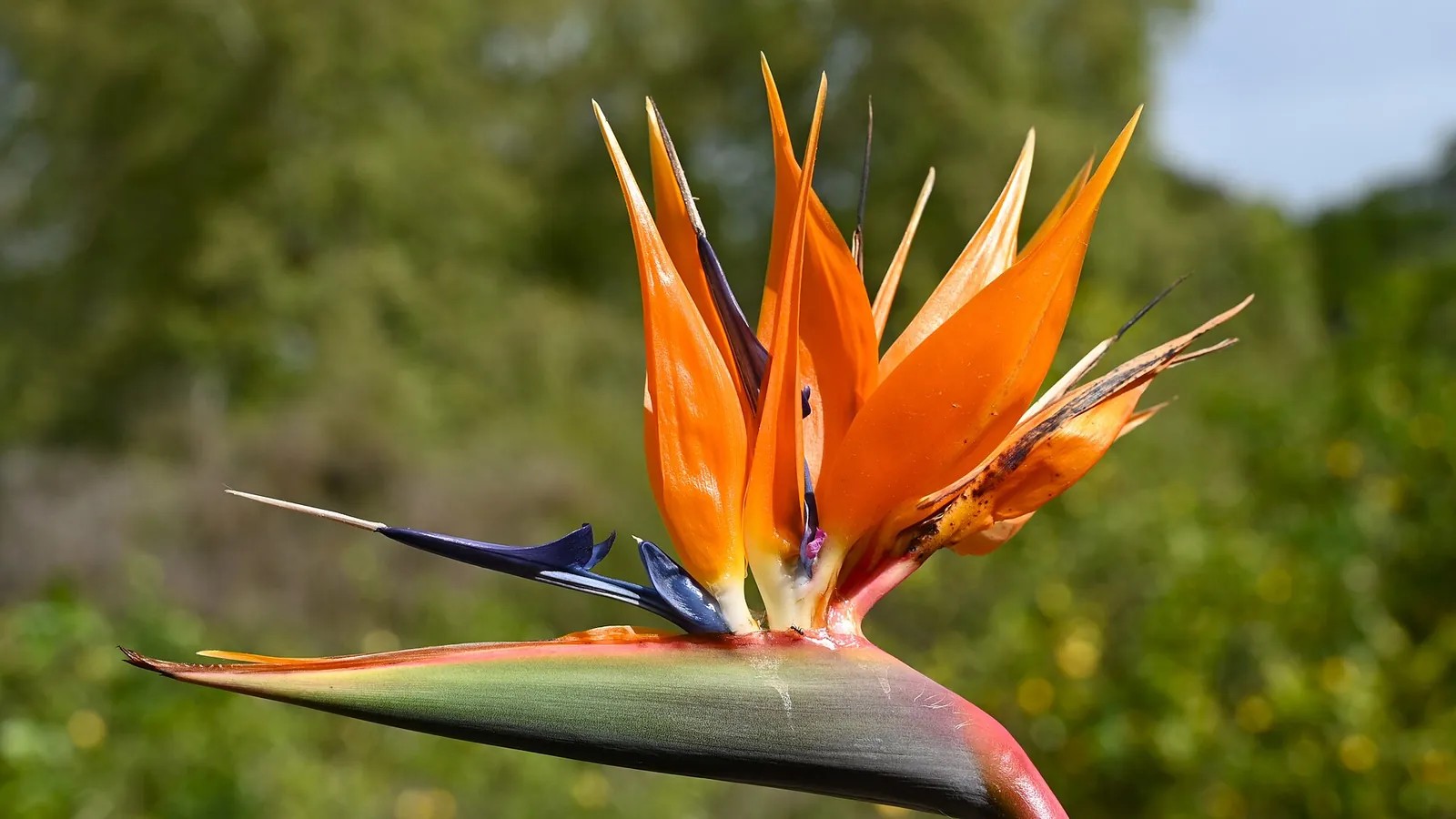
The bird of paradise flower (Strelitzia reginae) is a South African perennial with orange and blue blooms shaped like a bird’s head. It is hardy outdoors in USDA Zones 10 to 12 and grows well in pots elsewhere. To get it to bloom, start with a mature plant and give it full sun, a snug pot, regular summer feeding and cool winter nights.
Few flowers look as wild as a bird of paradise. A pointed green beak juts out from a long stem, and a crest of bright orange and electric blue rises from it. In a warm garden, a mature clump can carry dozens of these heads.
Plenty of people bring one home, though, and wait years for a single flower. The plant is easy to keep alive. Getting it to bloom takes the right mix of age, light, pot size, food and temperature.
This guide covers the two species sold as bird of paradise, where each one grows outdoors and how to plant, water and feed it. It also explains why a plant will not bloom, how to divide it, which pests to watch for and whether it is safe around pets. For more striking blooms to grow, browse our guide to types of flowers.
Key takeaways
- The classic bird of paradise is Strelitzia reginae, with orange and blue flowers on a 3 to 5 foot clump.
- White bird of paradise (Strelitzia nicolai) grows 20 to 30 feet tall outdoors and rarely flowers as a houseplant.
- Bird of paradise is hardy in USDA Zones 10 to 12. Elsewhere, grow it in a pot and bring it indoors before frost.
- Plants from seed take about 3 to 5 years to bloom. Divisions bloom sooner.
- Full sun, a slightly potbound root ball, summer feeding and cool winter nights all help it flower.
- The ASPCA lists Strelitzia reginae as toxic to dogs, cats and horses, mostly from the seeds and fruit.
What Is the Bird of Paradise Flower?
The bird of paradise flower is Strelitzia reginae, an evergreen perennial in the family Strelitziaceae. It grows as a trunkless clump of gray-green, banana-like leaves on long stalks. The flowers rise on separate stalks from the base of the clump.
In South Africa the plant is known as the crane flower, because the flower head looks like the crest of a crowned crane. It is a common sight in warm US gardens, in florist shops and as a large houseplant.
Where It Comes From
Bird of paradise is native to the eastern coast of South Africa. The University of Oxford herbaria record that plant collector Francis Masson gathered it there and that it reached Britain in 1773. Sir Joseph Banks named the genus Strelitzia for Queen Charlotte, wife of George III, who was born a duchess of Mecklenburg-Strelitz. The species name reginae means “of the queen.”
How the Flower Works
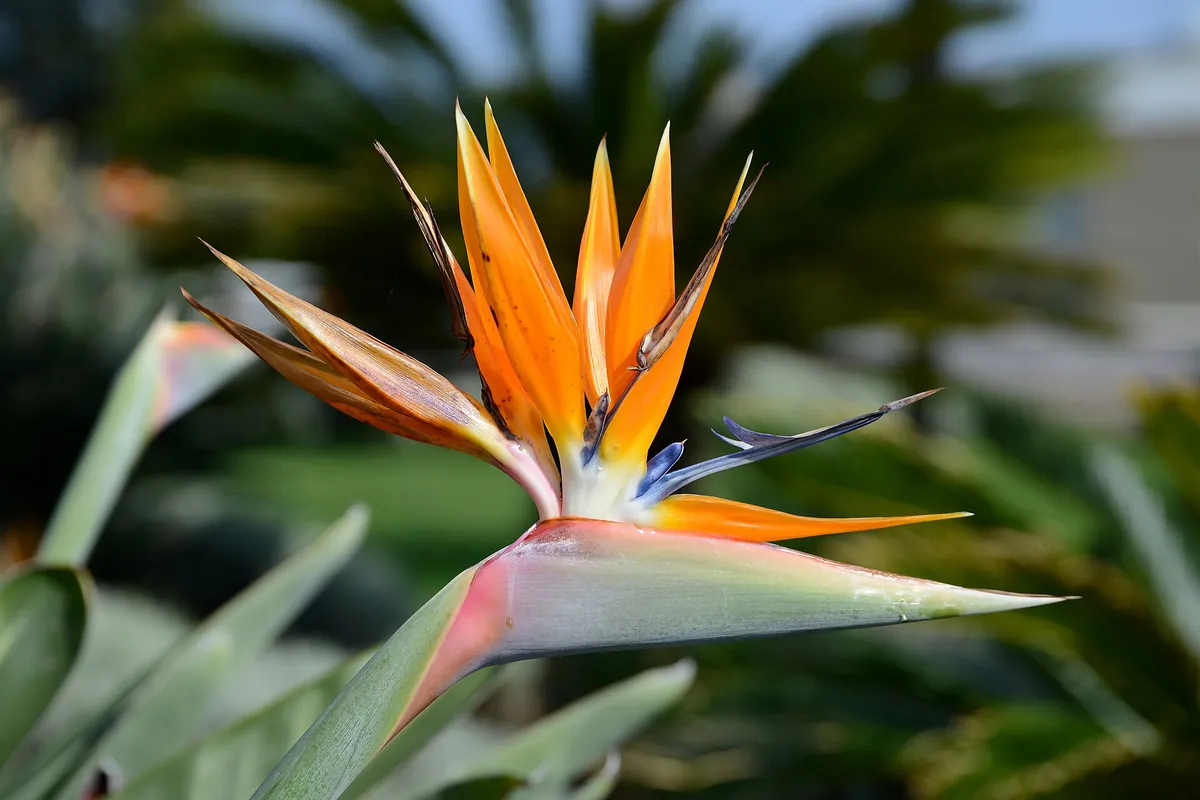
Each “bird” is a flower head, not a single flower. The green beak is a tough bract called a spathe. Inside it sits a row of flowers that push out one at a time, so a single head keeps producing new color for days.
Every flower has three orange sepals and three blue petals. Two of the blue petals are joined into an arrow shape that hides the pollen. In the wild, sunbirds land on this arrow to reach the nectar. Their weight opens the petals, and pollen sticks to their feet.
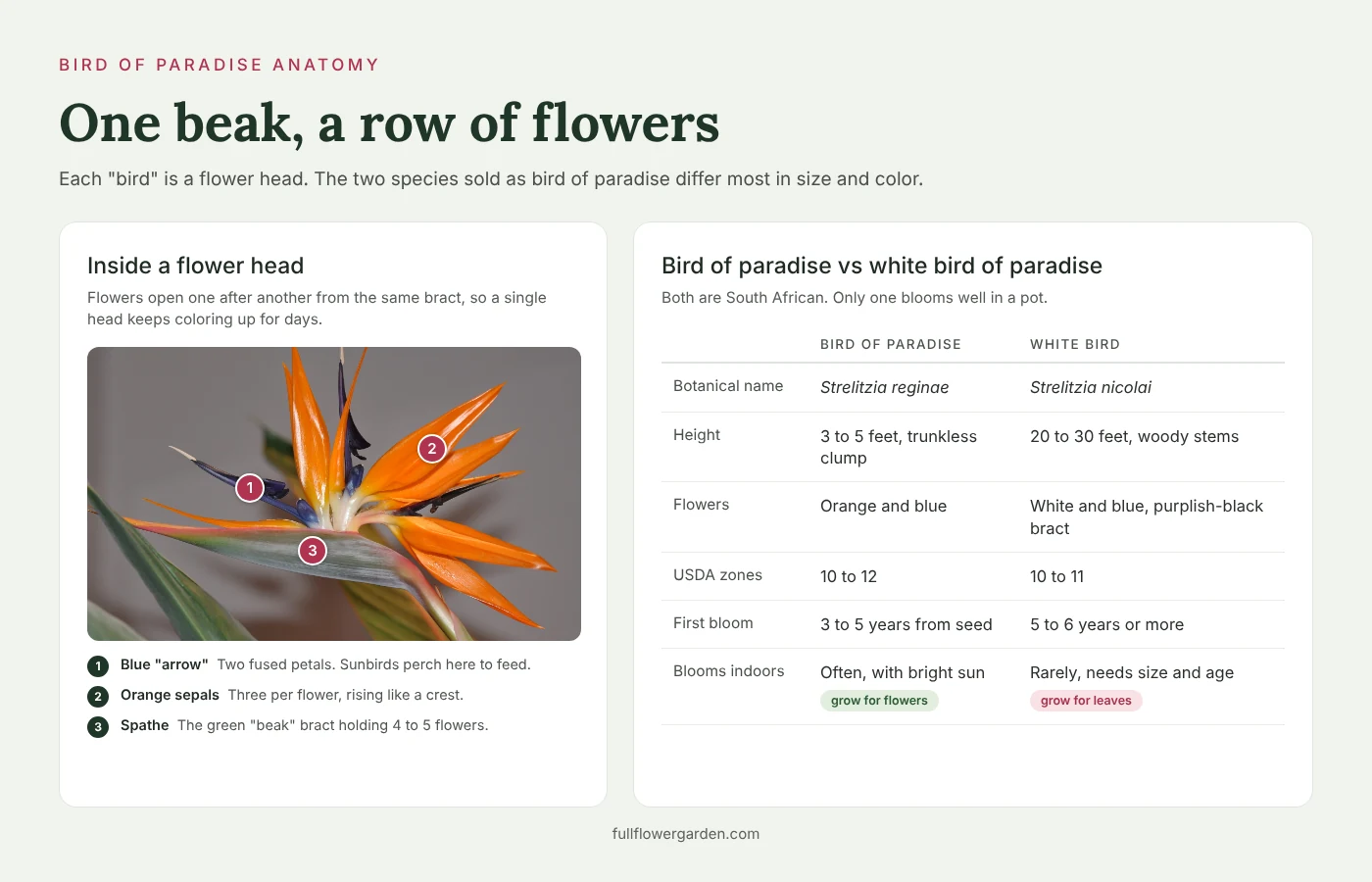
Strelitzia reginae vs Strelitzia nicolai
Two different plants are sold as bird of paradise. Garden centers often label both simply “Strelitzia,” so check the tag before you buy. One is a compact flowering plant. The other is a giant grown mostly for its leaves.
Orange Bird of Paradise (Strelitzia reginae)
This is the plant most people picture. University of Florida IFAS Extension describes it as a 3 to 5 foot clump with leaves about 6 inches wide and 18 inches long. The flowers are orange and blue and make long-lasting cut flowers.
It stays a manageable size, so it suits patios, borders and large pots. It is also the species to choose if flowers are the main goal.
White Bird of Paradise (Strelitzia nicolai)
White bird of paradise, also called giant bird of paradise, is a much bigger plant. NC State Extension lists it at 20 to 30 feet tall and 6 to 10 feet wide in the ground, with woody, trunk-like stems. Its paddle-shaped leaves look a lot like a banana plant.
The flowers are white and blue and sit in a purplish-black, boat-shaped bract. They are large and dramatic, but they often open high in the plant, where they are easy to miss.
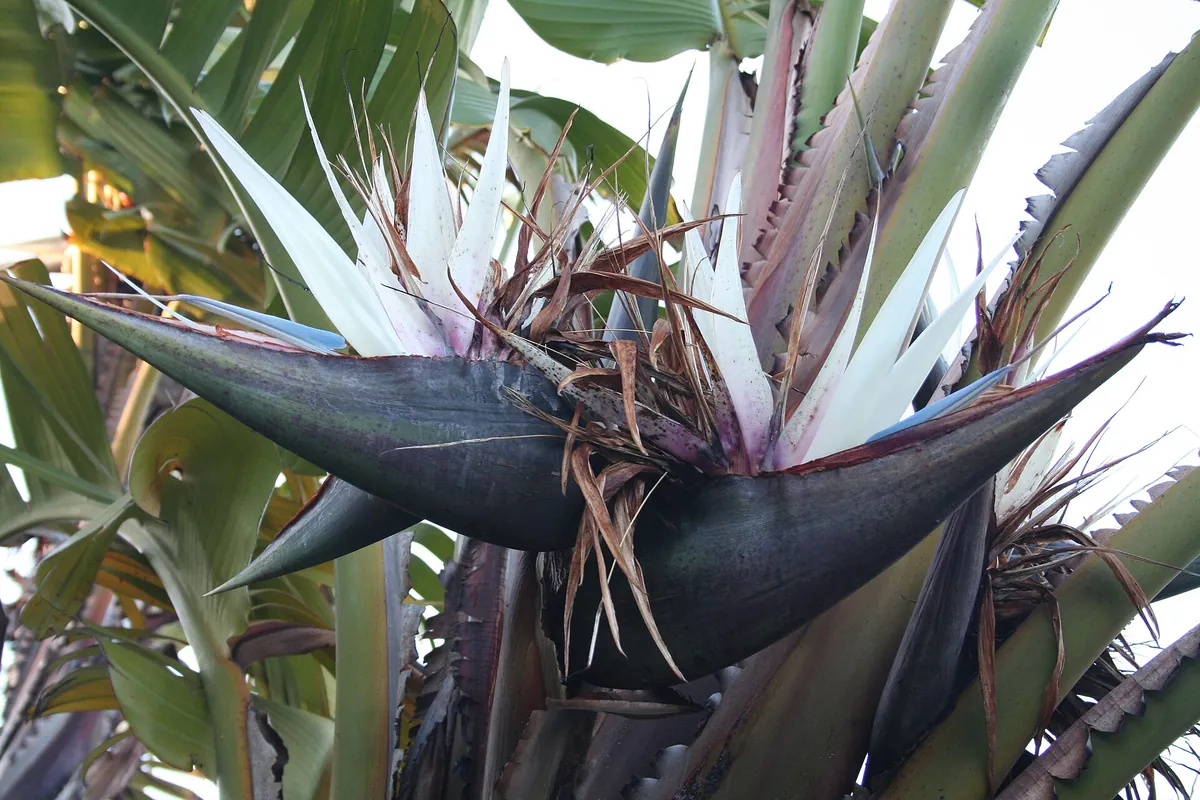
Why White Bird of Paradise Rarely Blooms Indoors
Strelitzia nicolai is sold everywhere as a houseplant, but indoor plants seldom flower. The reason is size and age. The plant blooms only once it is quite mature, and NC State Extension notes it may take 5 to 6 years to flower even in good conditions.
Indoors, most plants are kept far smaller than their natural size, and even a sunny room gives much less light than open sky. The RHS adds that flowering needs plenty of light and feeding, and that plants tend to bloom better when slightly potbound. In practice, treat an indoor nicolai as a foliage plant, and count any flower as a bonus.
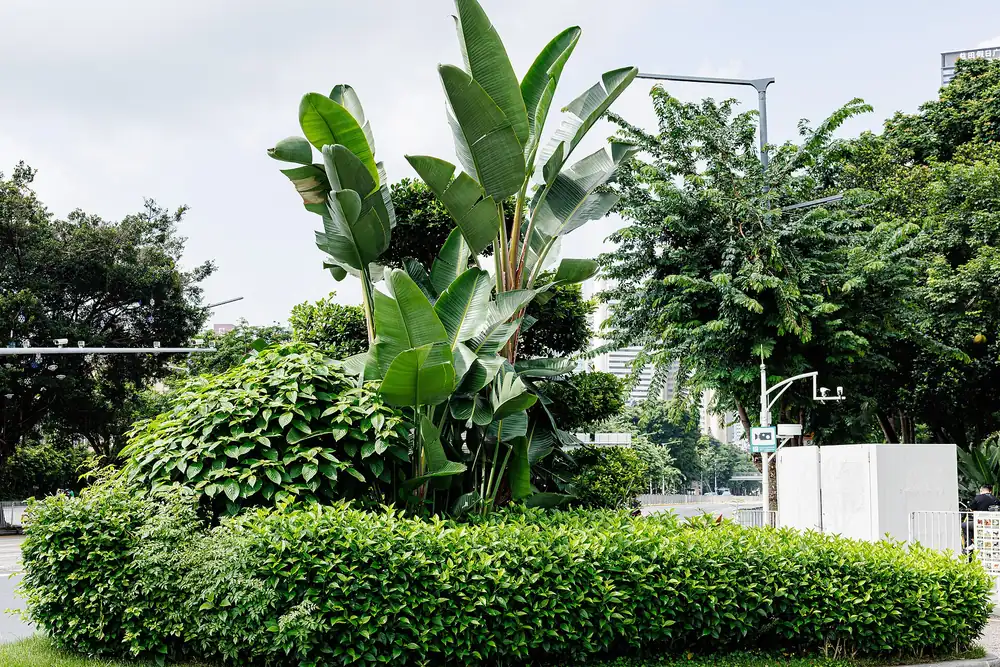
Bird of Paradise Species Compared
Beyond the two main plants, a narrow-leaved species and a yellow cultivar also turn up in nurseries and botanical gardens.
| Plant | Botanical name | Size | Flowers | Best for |
|---|---|---|---|---|
| Bird of paradise | Strelitzia reginae | 3 to 5 ft clump | Orange and blue | Flowers in gardens and pots |
| White or giant bird of paradise | Strelitzia nicolai | 20 to 30 ft outdoors | White and blue, purplish-black bract | Bold tropical foliage |
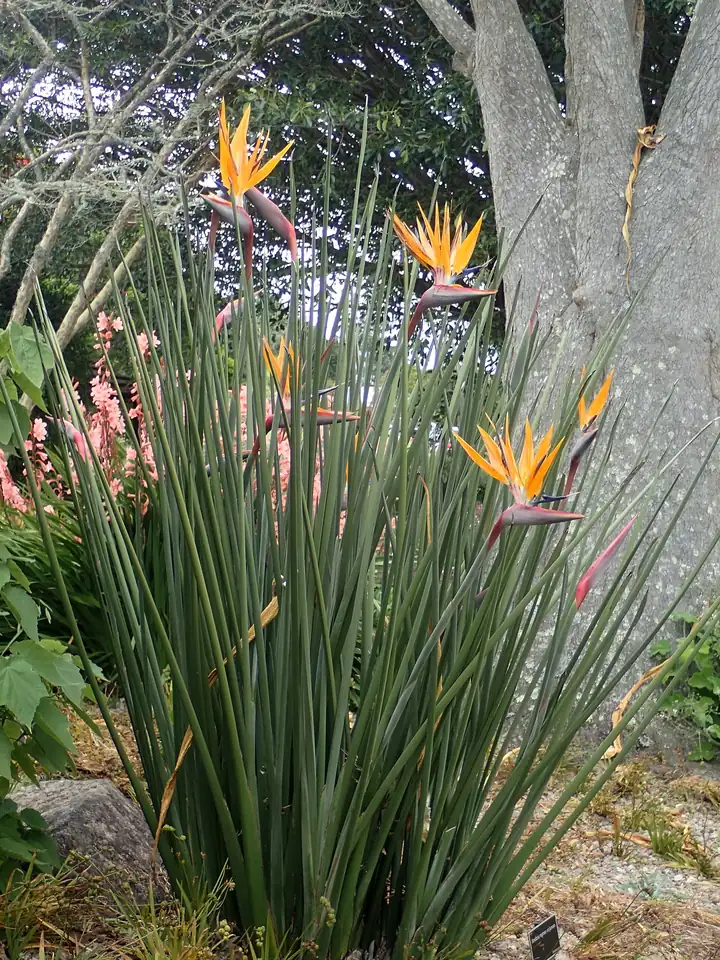
| Narrow-leaved bird of paradise | Strelitzia juncea | Clump of upright, rush-like stalks | Orange and blue, held among the stalks | Dry, sunny gardens |
| ‘Mandela’s Gold’ | Strelitzia reginae ‘Mandela’s Gold’ | Similar to the species, slow growing | Yellow sepals, deep purple petals | Collectors and warm gardens |
Narrow-Leaved Bird of Paradise (Strelitzia juncea)
Strelitzia juncea is the only species that usually grows without leaf blades. Its leaves are reduced to tall, round stalks, which gives the plant a spiky, rush-like look. It is known for good drought tolerance. In the wild it is listed as Vulnerable, partly because plants have been dug up illegally for gardens, so buy only nursery-grown stock.
Yellow Bird of Paradise (‘Mandela’s Gold’)
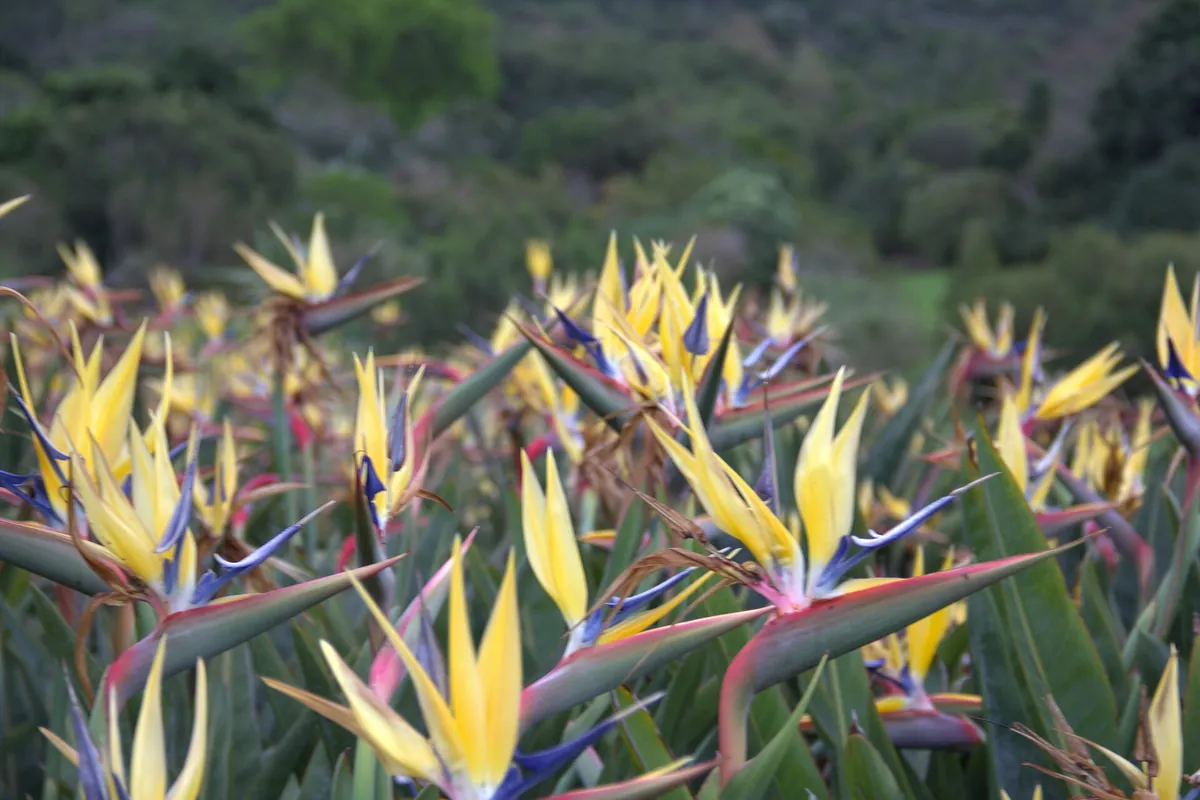
‘Mandela’s Gold’ is a yellow form of Strelitzia reginae from Kirstenbosch National Botanical Garden in Cape Town. The South African National Biodiversity Institute (SANBI) says it took nearly 20 years of selection and hand pollination before its release in 1994. It was first sold as ‘Kirstenbosch Gold’ and renamed in honor of Nelson Mandela in 1996. Care is the same as for the orange form, though SANBI notes it grows slowly.
Bird of Paradise Hardiness Zones and Climate
Bird of paradise is a warm-climate plant. NC State Extension lists Strelitzia reginae for USDA Zones 10 to 12 and Strelitzia nicolai for Zones 10 to 11. That covers coastal Southern California, South Florida, Hawaii and similar frost-free areas.
Growing Outdoors in Zones 10 to 12
In these zones, plant bird of paradise in the ground and leave it there year-round. UF IFAS Extension notes that an established plant can survive brief dips to about 24°F. However, freezing weather damages developing buds and open flowers, so a light frost can cost you a season of bloom even if the plant lives.
Growing It in Colder Zones
Everywhere else, grow bird of paradise in a container. University of Wisconsin Extension suggests moving the plant outdoors for summer and bringing it back inside before the first frost. Ease it into strong outdoor sun over a week or two so the leaves do not scorch.
Clemson Cooperative Extension recommends bringing outdoor plants in once temperatures fall below 60°F. Indoors, a bright, cool room works best through winter.
Bird of Paradise Light Needs
Light is the single biggest factor in whether a mature plant flowers. In general, more light means more blooms.
Light Outdoors
Outdoors, bird of paradise grows in full sun or part shade. UF IFAS Extension notes that plants in partial shade grow taller with slightly larger flowers. In full sun they stay smaller, with shorter flower stems.
Light Indoors
Indoors, give it the sunniest spot you have, such as a large south-facing window. University of Wisconsin Extension calls for nearly full sun in summer and as much light as possible in winter. It also names insufficient light as a common reason mature plants do not bloom well.
Strelitzia nicolai tolerates bright, indirect light better and makes a good large foliage plant. It still needs a bright room to stay healthy.
How to Plant Bird of Paradise
Spring is the best time to plant or repot, as the plant starts its main growth.
Planting in the Ground
- Pick the spot. Choose full sun to part shade with good drainage. UF IFAS Extension suggests spacing plants at least 6 feet apart.
- Prepare the soil. Mix compost into the planting area. Bird of paradise grows in most soils but does best in fertile, organic soil.
- Plant at the same depth. Set the root ball at the depth it grew in the pot, then backfill and water well.
- Mulch with care. Spread 2 to 3 inches of mulch, but keep a 2 to 3 inch ring around the stems bare to reduce stem rot.
- Water often at first. UF IFAS Extension calls the first six months after planting critical, so water regularly in warm weather.
Planting in Pots
Choose a sturdy pot with drainage holes that is only a little wider than the root ball. A heavy clay or ceramic pot helps keep a top-heavy plant from tipping over. The RHS recommends a peat-free, loam-based potting mix for container plants.
University of Wisconsin Extension warns against planting too deeply. Keep the top of the root ball level with the soil surface, since exposed roots may even encourage flowering. A pot on casters makes it much easier to move the plant indoors and out each year.
Soil, Watering and Fertilizing
Bird of paradise has thick, fleshy roots that store water. That makes it fairly drought tolerant once settled, but also prone to rot in soggy soil.
Best Soil
In the ground, aim for fertile, loamy soil with plenty of organic matter and good drainage. NC State Extension notes that it tolerates acid, neutral and alkaline soil. In pots, use a well-draining mix and never let the pot sit in a saucer of water.
How to Water
- Spring and summer: water thoroughly, then let the mix dry slightly before watering again. Outdoor plants in pots may need water every few days in hot weather.
- Fall and winter: water less often. Indoors, let the pot dry out more between waterings while light levels are low.
- Humidity: Clemson suggests about 60% relative humidity indoors. A humidifier or a pebble tray helps in dry, heated rooms.
Yellowing leaves and a soft, mushy base usually point to overwatering or poor drainage.
When and How to Feed
Bird of paradise is a heavy feeder while it grows. University of Wisconsin Extension suggests a water-soluble fertilizer every 2 weeks in summer and monthly in winter. Clemson gives a similar schedule and adds a warning: too much fertilizer leads to lush leaves with little or no flowering.
For plants in the ground, UF IFAS Extension suggests a granular or controlled-release fertilizer about every three months during the growing season. Always follow the label rates.
Why Your Bird of Paradise Won’t Bloom (and How to Fix It)
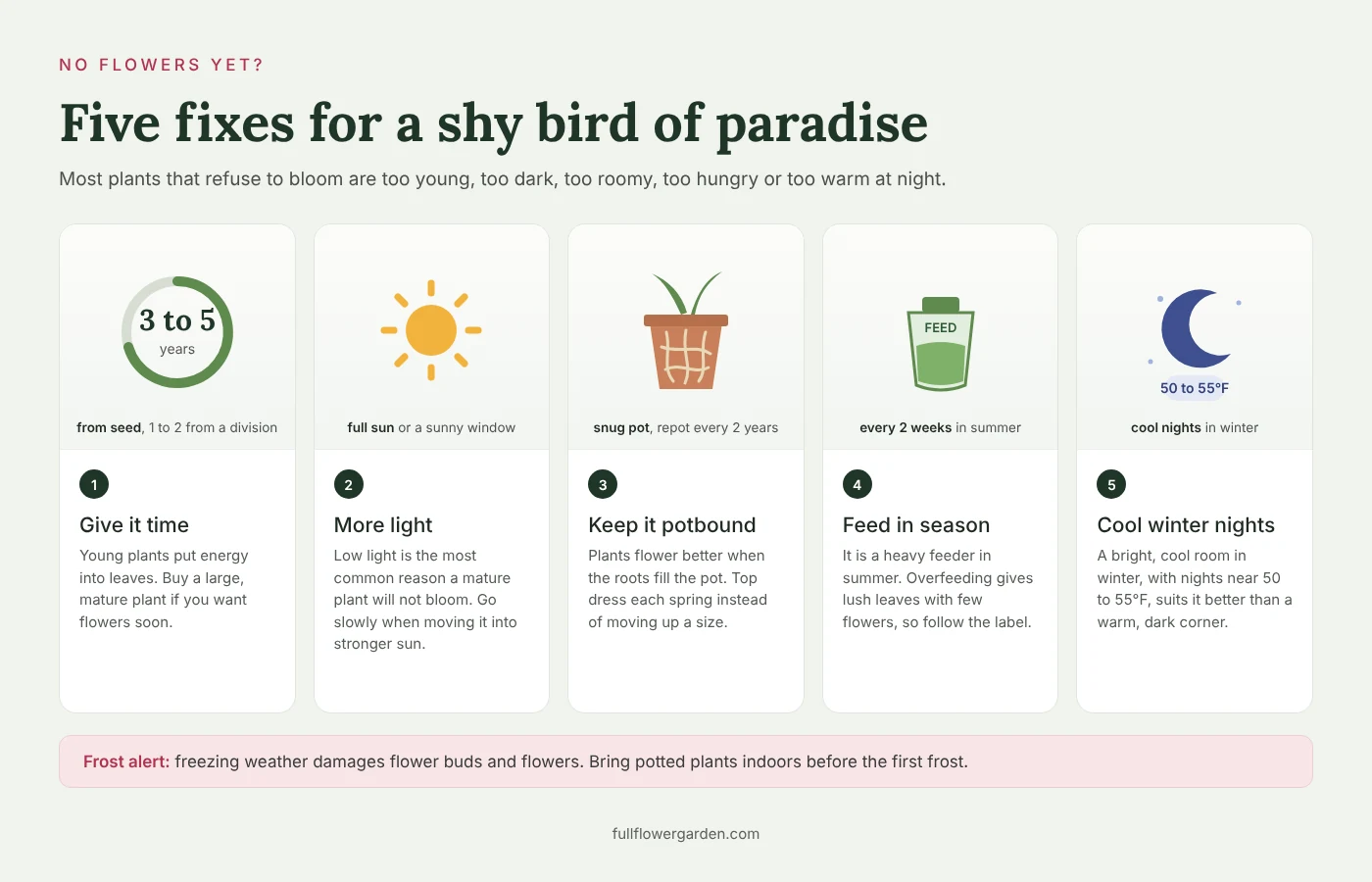
A healthy plant with no flowers is the most common bird of paradise complaint. Work through these causes in order.
The Plant Is Too Young
Bird of paradise needs to reach a certain size before it blooms. UF IFAS Extension says plants grown from seed take 3 to 5 years to flower, while divisions can bloom in 1 to 2 years. Many small plants sold in stores are only a year or two old. If you want flowers soon, buy a large plant with several fans of leaves.
It Needs More Light
A plant that is old enough but kept in a dim room will grow leaves and nothing else. Move it to your sunniest window, or outdoors into sun for the summer. Increase the light gradually to avoid leaf scorch.
The Pot Is Too Big
Bird of paradise flowers best when its roots are crowded. University of Wisconsin Extension notes that plants bloom more freely when potbound and suggests not repotting until a plant is about 3 feet tall. Instead of moving up a size, replace the top layer of potting mix each year.
The Feeding Is Off
Plants need steady feeding in spring and summer to build flower buds. Too much nitrogen, however, pushes leaves at the expense of blooms. Use a balanced fertilizer at label rates during the growing season and cut back in winter.
Winters Are Too Warm or Too Cold
Clemson recommends daytime temperatures of 65 to 70°F and night temperatures of 50 to 55°F for indoor plants. A bright, cool room in winter suits bird of paradise far better than a warm, dark corner next to a heater. At the other extreme, frost destroys buds outdoors, so protect plants on cold nights.
Dividing and Repotting Bird of Paradise
Over time a clump fills its pot or bed with thick roots and new fans of leaves. Dividing gives you new plants, but expect a short pause in flowering afterward.
When to Repot
The RHS suggests repotting every second year and top dressing in the years between. Repot in spring, before strong new growth begins. If the roots are cracking the pot or water runs straight through, it is time to move up one size.
How to Divide a Clump
- Time it right. UF IFAS Extension suggests dividing in late spring or early summer. Clumps with 4 to 5 shoots are ready.
- Lift the plant. Ease it from the pot or dig around the clump. The roots are thick, so a sharp spade or saw may be needed.
- Cut it apart. Split the rhizome so each piece has at least one fan of leaves and a good set of roots.
- Replant. Set each division at the same depth it grew before, in fresh potting mix or prepared soil.
- Aftercare. Keep divisions moist and out of harsh sun while they settle. UF IFAS Extension advises waiting about three months before fertilizing.
University of Wisconsin Extension notes that divided plants may not bloom again for a few years. If you mainly want flowers, divide only when the plant has clearly outgrown its space.
Growing From Seed
Seed is slow but cheap. UF IFAS Extension recommends soaking seeds in lukewarm water for 1 to 2 days, then scarifying the hard coat before sowing shallowly in moist mix. Germination can take anywhere from one month to a year, and seedlings take years to flower.
Bird of Paradise Pests and Problems
Bird of paradise is fairly trouble-free. Indoors and in greenhouses, three sap-sucking pests cause most problems. Check the undersides of leaves and the leaf bases each time you water.
Scale Insects
Scale look like small brown or white bumps stuck to stems and leaves. They do not move once settled and can leave sticky honeydew behind. Scrape off light infestations or wipe them with a soft, damp cloth. For heavier attacks, use a houseplant insecticide labeled for scale and follow the directions.
Mealybugs
Mealybugs are soft, white and fluffy, and they hide in leaf joints and where leaves meet the stem. Dab small groups with a cotton swab dipped in rubbing alcohol, then wipe the leaves clean. Isolate the plant from other houseplants until they are gone.
Spider Mites
Spider mites are tiny and cause pale, speckled leaves with fine webbing underneath. They build up fastest in warm, dry indoor air. Rinse the leaves well, wipe them down and raise the humidity. University of Wisconsin Extension also advises against leaf shine products, which can damage the matte finish of the leaves.
Other Problems
- Root rot: caused by overwatering or poorly drained soil. Let the soil dry more between waterings and check that the pot drains freely.
- Leaf spot: NC State Extension lists fungal leaf spot, which shows as yellow or brown spots. Remove badly marked leaves and keep water off the foliage.
- Outdoor pests: UF IFAS Extension mentions occasional aphids, caterpillars, grasshoppers and snails outdoors. They rarely threaten the plant.
Bird of Paradise as a Cut Flower
Bird of paradise is a florist favorite, and a home clump can supply your own stems. UF IFAS Extension notes that a healthy, mature plant can produce up to three dozen flower spikes a year.
When to Cut
Cut stems when the bud is plump and the first orange flower is just showing. The UC Davis Postharvest Technology Center notes that growers often pull the stems from the base with a gentle side-to-side motion instead of cutting them. Hold the stem low and avoid jerking it, or the head can snap.
Vase Life and Care
Cut flowers can last up to two weeks, according to UF IFAS Extension. Recut the stems, use clean water with flower food and change the water every few days. When the first flower fades, gently ease the next one out of the spathe with your fingers. UC Davis notes that each bract holds 4 to 5 flowers, so one stem can keep giving color.
A single stem makes a bold, modern arrangement on its own. For more ideas, see our guide to flower arranging for beginners. In a frost-free garden, bird of paradise also fits well into a cut flower garden.
Is Bird of Paradise Toxic to Pets?
Yes, but the risk is mild. Keep the plant out of reach of pets that like to chew.
What the ASPCA Says
The ASPCA lists Strelitzia reginae as toxic to dogs, cats and horses. The toxic parts act as stomach irritants. Signs include mild nausea, vomiting and drowsiness, and they mostly follow eating the fruit and seeds. NC State Extension lists the white bird of paradise as toxic to pets as well and notes that its sap can irritate skin, so wear gloves when pruning it.
If you think a pet has eaten part of the plant, call your veterinarian or the ASPCA Animal Poison Control Center at (888) 426-4435. For a person, call Poison Help at 1-800-222-1222.
A Different Plant With the Same Name
The name bird of paradise also refers to Caesalpinia gilliesii, a shrub in the pea family with yellow flowers and long red stamens. It is a completely different plant. The ASPCA lists it separately as toxic to dogs and cats, with signs such as mouth irritation, drooling, vomiting and diarrhea. Check the botanical name on the label before you buy.
Love bold flowers from warm climates? South Africa is also home to the protea flower, another dramatic bloom for dry, frost-free gardens. For more tropical plants that thrive in pots and come indoors for winter, see our guides to the angel trumpet flower and the unusual black bat flower.
Bird of Paradise Flower FAQs
How long does it take a bird of paradise to bloom?
A bird of paradise grown from seed usually takes 3 to 5 years to bloom, and longer in poor light. Plants from divisions can flower in 1 to 2 years. Store plants are often young, so buy a large clump with several fans of leaves if you want flowers soon. Give it full sun and steady summer feeding.
Does bird of paradise need full sun?
Strelitzia reginae flowers best in full sun or very bright light. Outdoors, it also grows in part shade, where it gets a little taller with fewer, larger flowers. Indoors, place it in your sunniest window. Low light is one of the most common reasons a mature plant grows plenty of leaves but never blooms.
Can white bird of paradise bloom indoors?
It can, but it rarely does. Strelitzia nicolai flowers only once it is large and mature, which can take 5 to 6 years or more. Most indoor plants are kept too small and get far less light than they would outdoors. Grow it indoors as a bold foliage plant, and treat any flower as a bonus.
Is bird of paradise toxic to cats and dogs?
Yes. The ASPCA lists Strelitzia reginae as toxic to dogs, cats and horses. It contains stomach irritants that can cause mild nausea, vomiting and drowsiness, mostly after a pet eats the seeds or fruit. Keep plants out of reach of pets that chew leaves, and call your vet if you think your pet ate some.
How cold can a bird of paradise tolerate?
UF IFAS Extension notes that an established bird of paradise can survive brief dips to about 24°F. Freezing weather still damages flower buds and blooms. It is hardy outdoors in USDA Zones 10 to 12. In colder areas, grow it in a pot and bring it inside before the first frost, or once nights fall below about 60°F.
Does bird of paradise like to be root bound?
Yes, to a point. Bird of paradise tends to flower better when its roots fill the pot. University of Wisconsin Extension suggests waiting until a plant is about 3 feet tall before repotting. Refresh the top layer of mix each spring instead, and move up only one pot size when roots crack the pot or water runs straight through.
How long do bird of paradise cut flowers last?
Bird of paradise cut flowers can last up to two weeks in a vase. Cut stems when the first orange flower is just showing, then recut them and use clean water with flower food. When the first flower fades, gently pull the next one out of the green bract. Each bract holds several flowers that open in turn.
Related flower guides
More guides you might enjoy.