Columbine Flower: How to Grow, Care For and Attract Hummingbirds
Grow columbine flower in zones 3-9: chill seeds, plant in part shade, manage leaf miners and sawfly, and pick red native types that draw hummingbirds.
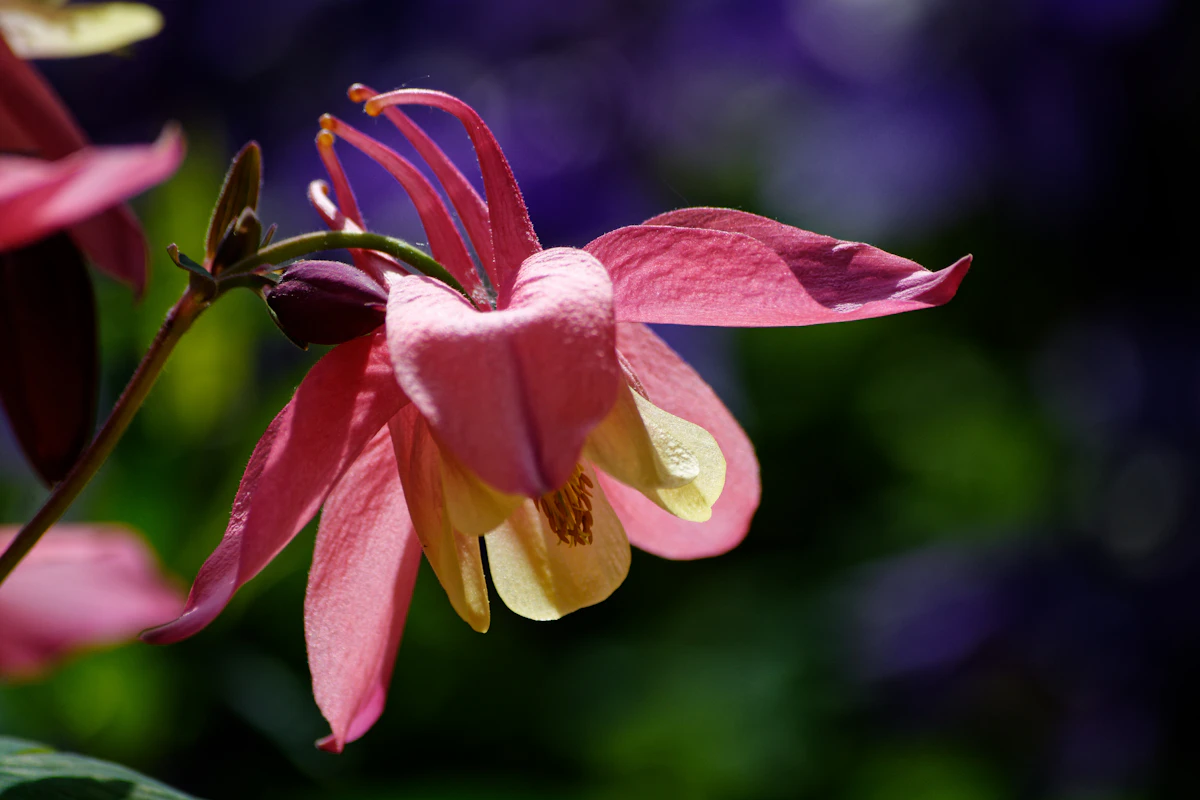
The columbine flower (Aquilegia) is a spring-blooming perennial for USDA zones 3 to 9 that prefers morning sun, afternoon shade and well-drained soil. Chill the seeds before sowing, and expect blooms in the second year. Plants live only two to three years, so let a few pods ripen to reseed. Red native Aquilegia canadensis is the best choice for hummingbirds.
Columbine Flower: A Spring Perennial Built For Hummingbirds
The columbine flower is one of the first native perennials to bloom when hummingbirds return in spring. Its nodding, spurred blooms hold nectar deep inside, and the plant thrives in partly shaded beds where many perennials struggle.
Gardeners grow both wild species and colorful hybrids. Native types such as eastern red columbine offer the strongest pull for hummingbirds, while garden hybrids add blue, purple, pink, white and double forms to cottage borders and woodland edges.
This guide explains how to grow columbine from seed or nursery plants, how to care for it through the season and how to keep a patch going for years. It also covers pests, deer, toxicity and symbolism.
Key takeaways
- Columbine grows in USDA zones 3-9 and prefers morning sun with afternoon shade.
- Seeds need a cold, moist chill before they sprout and usually bloom in their second year.
- Plants are short-lived, often two to three years, so let some seed pods ripen.
- Red native species such as Aquilegia canadensis are the best choice for hummingbirds.
- Leaf miners and columbine sawfly cause mostly cosmetic damage, and deer usually leave plants alone.
What Is Columbine (Aquilegia)?
Columbine is the common name for Aquilegia, a genus of about 70 species in the buttercup family, Ranunculaceae. It is an herbaceous perennial that forms a low mound of lobed, blue-green leaves topped by wiry flower stems.
Each bloom has five colorful sepals and five tubular petals that extend backward into hollow spurs. Nectar collects at the tip of each spur, so only long-tongued visitors such as hummingbirds, hawk moths and some bumblebees can reach it easily.
Plants range from 6 inches to about 3 feet tall, depending on species and growing conditions. Columbine appears among the classic cottage perennials in our list of popular types of flowers, prized for its airy spring display.
Native Columbine Species Vs Garden Hybrids
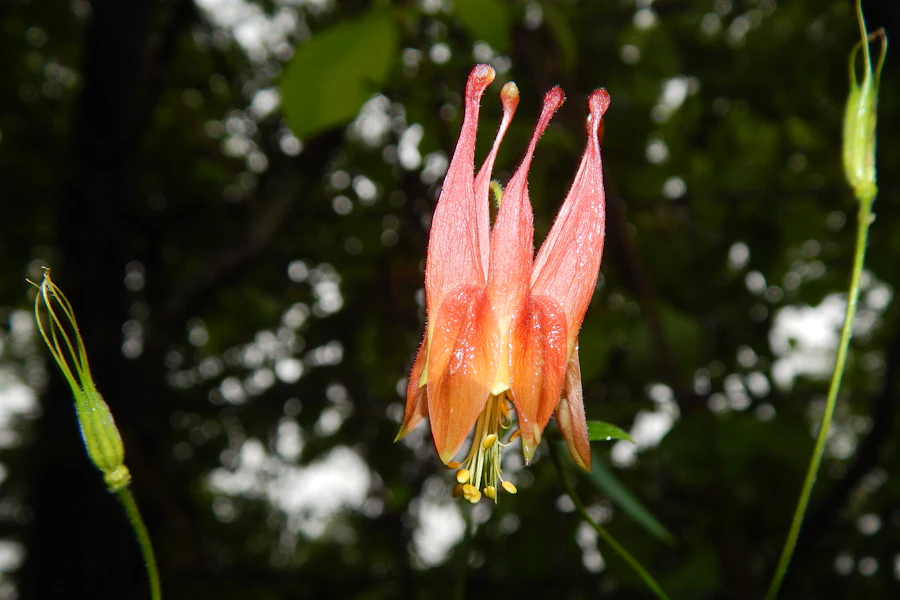
Eastern red columbine, Aquilegia canadensis, grows wild across eastern North America. It carries nodding red flowers with yellow centers on stems 1 to 3 feet tall. It tolerates dry shade better than most hybrids.
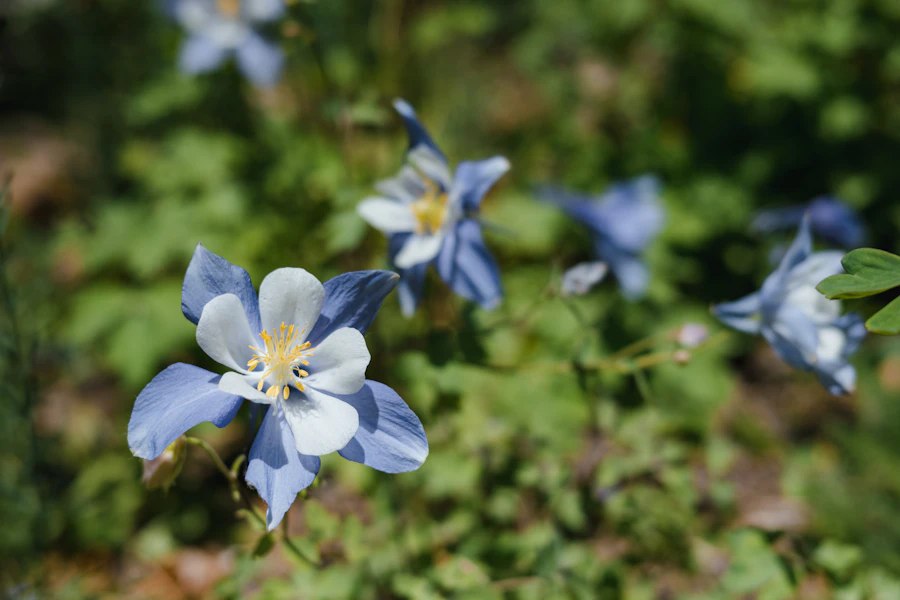
Colorado blue columbine, Aquilegia caerulea, grows in the Rocky Mountains and bears upward-facing blue and white flowers with long, slender spurs. Western columbine, Aquilegia formosa, is a red and yellow species native to the western United States.
Hybrids come from crossing these species with European Aquilegia vulgaris. Columbine plants cross-pollinate easily, so seedlings from mixed plantings rarely match their parents. Buy fresh seed or nursery plants when you want a specific color or form.
Popular Hybrid Columbines: McKana, Winky And Barlow
McKana hybrids are tall, vigorous plants with large, long-spurred flowers in mixed colors, including bicolors. They grow to roughly 2 to 2.5 feet and suit the middle of a border, where their blooms rise above neighboring plants.
The Winky series stays compact at about 12 inches and holds its flowers upright rather than nodding. That makes the blooms easy to see in containers and at the front of beds. Spurs are short and slightly curved.
The Barlow series, bred from Aquilegia vulgaris var. stellata, has fully double, spurless flowers that look like small dahlias. Nora Barlow is the best-known selection. Without spurs, these flowers hold far less appeal for hummingbirds than single types.
| Variety | Type | Flower color | Height | Zones | Hummingbird appeal |
|---|---|---|---|---|---|
| Eastern red columbine (A. canadensis) | Native species | Red with yellow | 1-3 ft | 3-8 | High |
| Colorado blue columbine (A. caerulea) | Native species | Blue and white | 1-2 ft | 3-8 | Moderate |
| Western columbine (A. formosa) | Native species | Red with yellow | 2-3 ft | 4-8 | High |
| McKana hybrids | Hybrid | Mixed, bicolors | 2-2.5 ft | 3-9 | Moderate |
| Winky series | Hybrid | Red, pink, purple, white bicolors | About 1 ft | 3-9 | Moderate |
| Barlow series | Hybrid (A. vulgaris) | Pink, purple, white, near black | 2-2.5 ft | 3-8 | Low (spurless) |
Where Columbine Grows Best: Zones, Sun And Soil
Columbine is hardy across USDA zones 3-9, although it performs best where summers stay fairly cool. In zones 8 and 9, plants often fade by midsummer, so give them more shade and steady moisture there.
Morning sun with afternoon shade suits most gardens. Northern gardeners can grow columbine in full sun if soil stays moist. Light woodland shade under deciduous trees works well too, because the plants bloom before the canopy fills.
Good drainage matters more than rich soil, because columbine crowns rot in wet, heavy ground. Loam or sandy soil with some compost is ideal. North Carolina State Extension lists a soil pH range of 6.0 to 8.0.
How To Grow Columbine From Seed
Columbine seeds germinate poorly without a cold, moist chill. Mix seeds with slightly damp sand or a moist paper towel, seal them in a bag and refrigerate for about three to four weeks before sowing.
Native eastern red columbine may need longer. University of Wisconsin Extension recommends six to eight weeks of cold, moist stratification for this species. Sowing outdoors in fall lets winter handle the chilling for you.
Press seeds onto the soil surface and cover them very lightly, since light helps germination. Seedlings usually appear in three to four weeks. Most plants form leaves the first year and bloom the following spring.
Planting Columbine Transplants
Set out nursery plants in spring after hard frosts pass, or in early fall while soil is still warm. Fall planting gives roots several weeks to settle before winter, so plants are ready to grow when spring arrives.
Dig a hole as deep as the root ball and twice as wide. Keep the crown level with the soil surface, because buried crowns tend to rot. Space plants 12 to 18 inches apart for good airflow.
Columbine grows a deep taproot and dislikes being moved once established. Choose the permanent spot carefully, water thoroughly after planting and add a thin layer of mulch, keeping it a few inches away from the crown.
Watering And Fertilizing Columbine
Keep soil evenly moist during the first season while roots establish. Water deeply when the top inch of soil feels dry, rather than giving frequent light sprinkles. Morning watering lets leaves dry before evening.
Established plants handle short dry spells, especially native species, but drought during bloom shortens the show. Plants in sunny spots or sandy soil need more frequent watering in late spring, when flowering and seed set peak.
Feed lightly. A thin layer of compost each spring or a small dose of balanced, slow-release fertilizer is enough. Heavy feeding produces soft, floppy growth that attracts aphids and does little to extend the plant’s life.
Deadheading Vs Letting Columbine Self-Seed
Deadheading means cutting faded flower stalks before seed pods ripen. It keeps plants tidy, stops unwanted seedlings and can encourage a few extra blooms. Cut stems back to the leafy base once flowering ends.
Self-seeding is the main way to keep columbine in the garden for years. Leave a few stalks until pods turn brown and split open. Seeds scatter nearby, and new plants usually bloom in their second spring.
A balanced approach works well. Deadhead most stems for neatness, then leave several pods on your best plants. If foliage looks tired after bloom, cut it back hard, and fresh leaves often regrow within weeks.
Why Columbine Is A Short-Lived Perennial
Most columbines live about two to three years, and some hybrids decline sooner. This is normal behavior, not a sign of poor care. Older crowns tend to produce fewer flowers each season.
Heat, wet winter soil and crowded beds can shorten life further. Plants in heavy clay often rot during winter, while those in hot southern gardens may go dormant early and fail to return.
Plan for replacement rather than permanence. Allow volunteer seedlings to grow, start a few new plants from seed every other year or add nursery plants each spring. A steady supply keeps the display going.
Common Columbine Pests And Diseases
Leaf Miners
Columbine leaf miners are the larvae of small flies in the genus Phytomyza. They tunnel between leaf surfaces and leave pale, winding trails. Damage looks unsightly but rarely harms plant health or flowering.
Several generations can develop in one season, so damage builds by midsummer. Pick off mined leaves as soon as trails appear, before larvae exit to pupate. Cutting badly damaged foliage to the ground triggers clean regrowth.
Sprays work poorly because larvae feed inside the leaf. Native eastern red columbine shows better resistance than most hybrids, which makes it a sensible choice in gardens where leaf miners return every year.
Columbine Sawfly
Columbine sawfly, Pristiphora rufipes, is a European insect first found in North America in 1963. Its small green larvae feed from leaf edges inward and can strip a plant to bare stems in days.
Larvae are active from about April to June, with one generation per year in northern states. Check undersides of leaves often in spring, because larvae match the foliage color and hide well.
Hand-pick larvae or knock them into soapy water. Insecticidal soap kills young larvae, but Bt products do not work on sawflies. Wisconsin Extension notes that defoliated plants usually recover after cutting back.
Aphids And Powdery Mildew
Aphids cluster on new shoots and flower buds, especially on plants fed too much nitrogen. A firm spray of water knocks most off. Insecticidal soap handles heavier infestations, and lady beetles often clean up the rest.
Powdery mildew appears as white, dusty patches on leaves, usually in mid to late summer. It thrives in humid air when foliage stays dry, so crowded plantings in still, shady corners suffer most.
Space plants for airflow and water the soil, not the leaves. Remove infected foliage and cut plants back after bloom. Fungicides work only as prevention, so treat earlier in seasons when mildew has caused problems.
How To Attract Hummingbirds With Columbine
Hummingbirds favor red, tubular flowers with nectar deep inside, and native red columbine fits that description. Its spurs hold nectar where a long bill and tongue reach easily, while shorter-tongued bees struggle to reach it.
Timing is the real advantage. Eastern red columbine flowers in spring, just as ruby-throated hummingbirds return from migration. University of Wisconsin Extension calls it a critical early nectar source, available before most summer flowers open.
Plant columbine in groups of three or more so birds spot the color from a distance. Place clumps near a window or patio for easy viewing, and skip insecticides, because hummingbirds also feed small insects to their young.
Best Companion Plants For Hummingbirds And Pollinators
Coral bells, or Heuchera, bloom in late spring alongside columbine and share its love of part shade. Their slender flower spikes carry small bell-shaped flowers that hummingbirds visit, and the foliage stays attractive all season.
Bee balm, or Monarda, takes over in summer with tubular red, pink or purple flowers. Salvias extend the season further, and native red cardinal flower suits moist spots. Together they keep nectar available from spring to fall.
Columbine also feeds native bumblebees, hawk moths and other pollinators. Mix it with wild geranium, ferns and spring bulbs in shady areas. For autumn color in the same beds, add hardy garden mums near the front.
Is Columbine Deer Resistant And Is It Toxic?
Columbine is considered deer and rabbit resistant, and North Carolina State Extension lists it that way. Hungry deer may still nibble any plant during harsh seasons, but columbine is rarely a first choice in mixed borders.
Treat columbine as a plant not to eat. University of Georgia Extension describes the seeds and roots as highly poisonous, and columbines contain cyanogenic glycosides. Keep seed pods away from young children who might chew them.
Pet owners should also take care with seed heads and dug roots. As with amaryllis bulbs indoors, contact a veterinarian or poison control service promptly if a pet eats plant parts and shows symptoms.
Columbine Meaning And Symbolism
The name columbine comes from the Latin columba, meaning dove, because the spurs resemble a ring of doves. Aquilegia is often linked to aquila, the Latin word for eagle, after the clawlike shape of the spurs.
In Victorian flower language, columbine often stood for folly, since the spurred petals resemble a jester’s cap. Like the marigolds and cosmos of the October birth flower, its meanings come from tradition, not botany.
Colorado chose the Colorado blue columbine as its state flower in 1899. Denver Botanic Gardens explains that blue represents the sky, white represents snow and gold recalls the state’s mining history.
Final Thoughts On Growing Columbine
Columbine rewards a little planning. Choose a cool, well-drained spot with afternoon shade, chill the seeds and accept that individual plants live only a few years while their seedlings carry on.
For hummingbirds, plant native red species in spring-blooming groups, then follow with coral bells, bee balm and salvia. That sequence gives birds steady nectar from their spring arrival until late summer.
Watch for leaf miners and sawfly larvae in spring, and cut tired foliage back after bloom. Browse our flower growing guides or the birth month flowers series for more ideas.
Columbine Flower FAQs
Does Columbine Come Back Every Year?
Yes, columbine is a perennial, but each plant usually lives only two to three years. Patches persist because plants self-seed. Leave some pods to ripen each summer and new seedlings will replace older plants that fade.
Does Columbine Bloom The First Year From Seed?
Usually not. Seed-grown columbine spends its first season building roots and leaves, then flowers the following spring. Expect a full season of leafy growth and one winter before the first real show of flowers.
Should I Cut Back Columbine After It Blooms?
Yes, if the foliage looks tired or damaged by leaf miners. Cut stalks and worn leaves back to the base after flowering, and fresh foliage often returns within a few weeks. Leave a few pods if you want seedlings.
Do Hummingbirds Like All Columbine Varieties?
Hummingbirds visit many columbines, but red species with long nectar spurs attract them most. Eastern red and western columbine are top choices. Double, spurless types such as the Barlow series offer little accessible nectar for them.
Can Columbine Grow In Full Shade?
Columbine grows in light shade but blooms poorly in deep, full shade. Aim for at least a few hours of direct morning sun or bright, filtered light. In cool northern gardens, plants also handle full sun with steady moisture.
Why Are There White Squiggly Lines On My Columbine Leaves?
Those trails come from leaf miners, tiny fly larvae feeding inside the leaf. The damage is mostly cosmetic. Remove affected leaves promptly, or cut the whole plant back after bloom to get clean new foliage.
Related flower guides
More guides you might enjoy.
Pingback: February Birth Flower: Violet and Primrose Meaning
Pingback: Black Bat Flower: How to Grow Tacca Chantrieri
Pingback: Forget-Me-Not Flower: Meaning, Legend and How to Grow It