Amaryllis: How to Plant Bulbs Now for Big Holiday Blooms
Plant amaryllis bulbs now for Christmas blooms. Use our count-back timeline, potting steps, watering tips and rebloom guide for bigger holiday flowers.
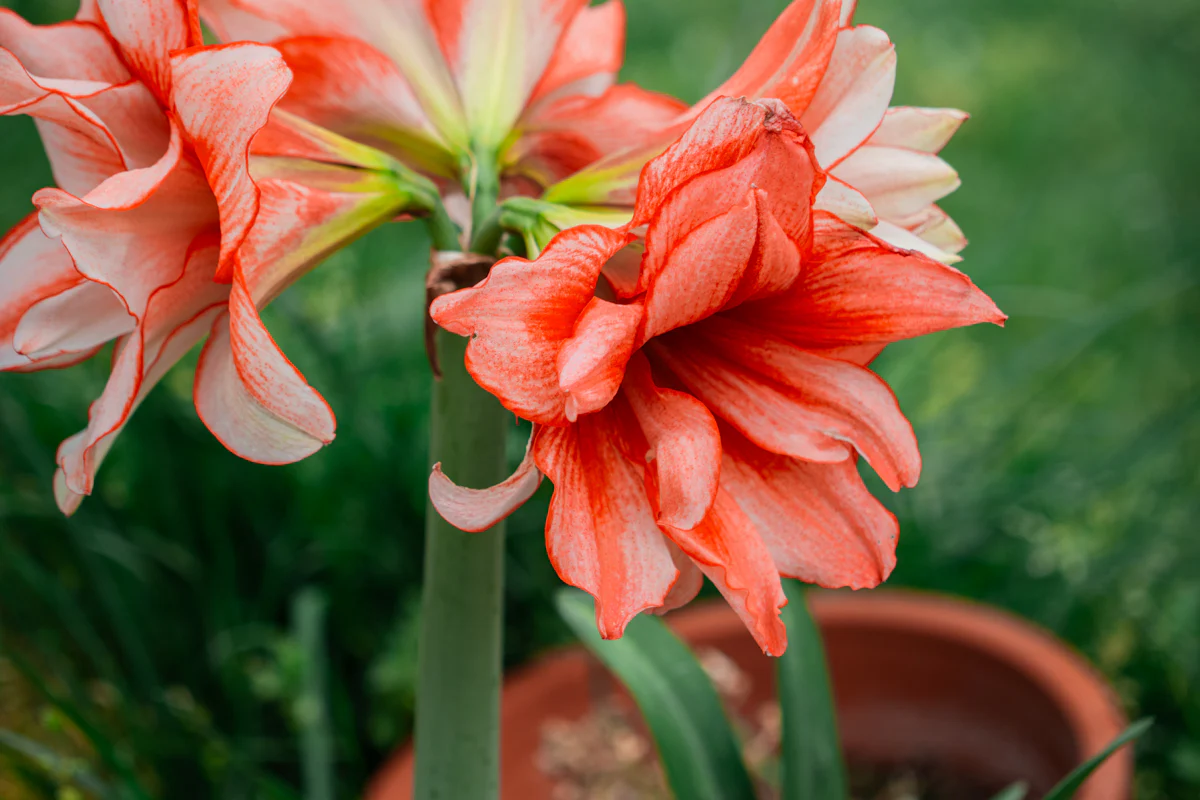
Pot a large amaryllis bulb between mid-October and mid-November for Christmas blooms, since most flower 6 to 10 weeks after planting. Choose a snug pot with the top third of the bulb above the soil, water once, then keep it bright and warm at 65°F to 75°F. Water again only when the top inch of mix is dry. All parts are toxic to cats and dogs.
To get amaryllis flowers for Christmas, pot a large bulb between mid-October and mid-November. Most bulbs bloom 6 to 10 weeks after planting, so early October is the perfect time to buy and plan.
Set the bulb in a snug pot with one-third of it above the soil. Then water once, give it bright light and warmth, and wait. A healthy bulb does most of the work by itself.
Key takeaways
- Plant 6 to 10 weeks before you want flowers; mid-October to mid-November suits Christmas.
- Buy the biggest firm bulbs you can, ideally 34/36 cm jumbo bulbs, for up to three stalks.
- Use a pot about 1 to 2 inches wider than the bulb, with the top third left above the soil.
- Water once at planting, then only when the top inch of mix is dry until growth appears.
- Give a cool, dry rest of 8 to 10 weeks at 50 to 55°F to make the bulb rebloom next year.
- All parts of the plant are toxic to cats and dogs, so keep pots out of reach.
Hippeastrum vs True Amaryllis: What You Are Actually Planting
The holiday bulb sold as amaryllis is really Hippeastrum. This genus comes from Central and South America, and its tropical bulbs flower indoors in winter. Breeders in the Netherlands and South Africa produce most hybrids.
True amaryllis is Amaryllis belladonna, a South African species. People also call it the naked lady or belladonna lily. It sends up fragrant pink flowers on bare stems in late summer, long after its leaves fade.
Botanists split the two groups in the 1800s, but the common name stuck to Hippeastrum. So when a garden center sells “amaryllis bulbs” in fall, expect Hippeastrum. Every tip below covers Hippeastrum unless noted otherwise.
How to Choose Amaryllis Bulbs: Size and Varieties
Bulb size predicts the show. Sellers grade bulbs by circumference in centimeters, such as 26/28 cm or 34/36 cm. Bigger bulbs store more food, so they push up more flower stalks and more blooms per stalk.
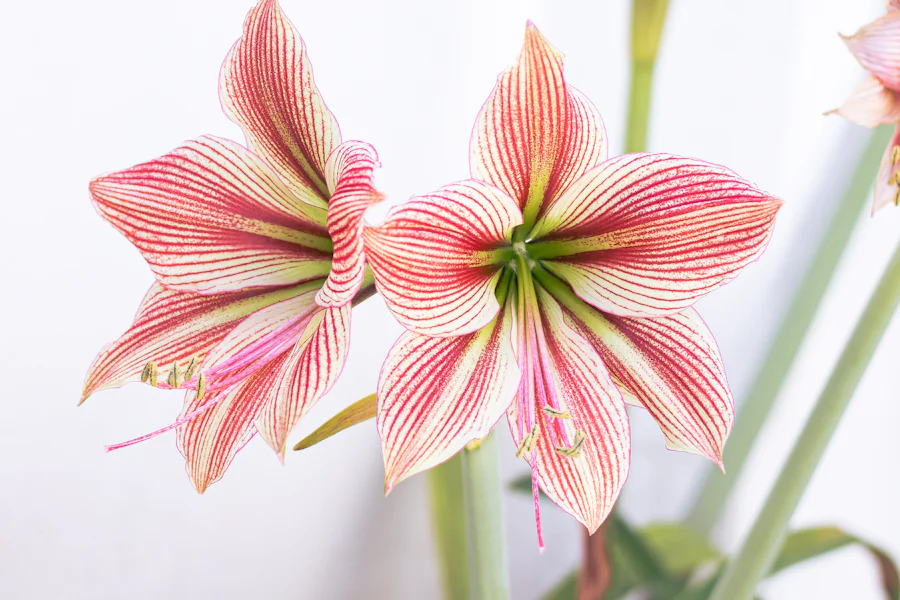
Pick bulbs that feel firm and heavy, like a good onion. Avoid soft spots, mold, or a dried-out basal plate with no roots. Some red streaks on the papery tunic are normal, but sunken red lesions are not.
Next, choose a variety for color and timing. Large-flowered Dutch types give classic blooms. Also, bulbs grown in the Southern Hemisphere often flower faster, which helps late planters. Potted bulbs also make lovely gifts, much like the October birth flower. These four favorites are easy to find in the US:
| Variety | Flower Color | Why Grow It |
|---|---|---|
| Red Lion | Deep velvet red | The classic Christmas red with strong, sturdy stalks |
| Apple Blossom | White with soft pink blush | Gentle colors that suit any holiday decor |
| Minerva | Red with a white star center | Striped, festive petals and a reliable bloomer |
| Christmas Gift | Pure white with a green throat | Elegant white flowers for a snowy holiday look |
- 26/28 cm: 1 to 2 stalks, a good budget choice
- 28/30 cm and 30/32 cm: usually 2 stalks with 3 to 5 flowers each
- 34/36 cm (jumbo): up to 3 stalks with 4 to 5 flowers per stem
When to Plant Amaryllis for Christmas Blooms
Most amaryllis bulbs bloom 6 to 10 weeks after potting. To hit December 25, count back from Christmas Day. That puts your planting window between about October 16 and November 13, just as garden mums peak outdoors.
Warm rooms speed growth, while cool rooms slow it. For that reason, plant on the early side if your home stays below 65°F. Staggering a few bulbs a week apart also gives you a longer holiday show.
Use this planting timeline as a guide. Bulb type and warmth shift the dates a little, so treat each date as a target rather than a promise. If in doubt, plant sooner.
| Weeks Before Dec 25 | Plant By | Best For |
|---|---|---|
| 10 weeks | October 16 | Slow Dutch hybrids and cool rooms (60 to 65°F) |
| 9 weeks | October 23 | Large Dutch bulbs in average room temperatures |
| 8 weeks | October 30 | Most standard varieties such as Red Lion and Minerva |
| 7 weeks | November 6 | Warm rooms (70 to 75°F) and early types |
| 6 weeks | November 13 | Southern Hemisphere bulbs and pre-sprouted bulbs |
| 4 to 6 weeks | November 13 to 27 | Waxed amaryllis bulbs that need no potting |
How to Pot Amaryllis Bulbs Step by Step
Amaryllis likes a snug pot. Choose one only 1 to 2 inches wider than the bulb, usually 6 to 8 inches across. A heavy clay or ceramic pot with a drainage hole stops tall plants tipping over.
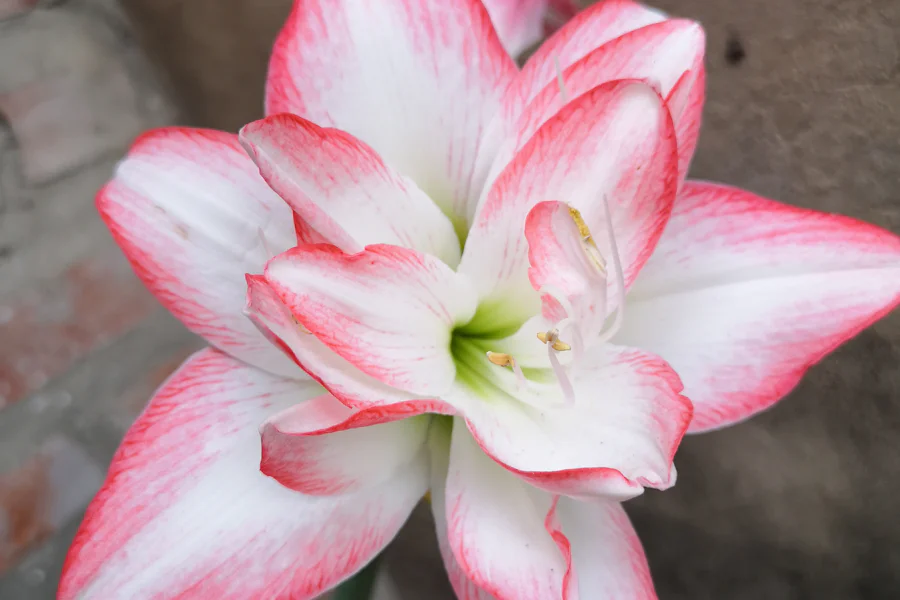
Use a fresh, well-draining potting mix. A bagged indoor mix with added perlite works well. Avoid garden soil, because it packs down and holds water around the roots. Here is the full process:
- Soak the roots in lukewarm water for a few hours to wake them.
- Add mix to the pot so the bulb sits with its shoulders near the rim.
- Set the bulb pointed end up and spread the roots out.
- Fill around it, leaving one-third of the bulb above the soil.
- Firm the mix gently and push in a bamboo stake beside the bulb.
- Water thoroughly once and let the pot drain.
The exposed neck matters. Keeping the top of the bulb dry helps prevent rot. Also, add the stake now, because pushing it in later can spear roots you cannot see.
Watering Amaryllis After Planting
After the first soak, hold back. Until a green shoot appears, the bulb has few working roots. Too much water now is the main cause of bulb rot, so keep the mix barely moist.
A simple rule helps: give about a quarter cup of water each week until growth starts. Then, once the flower stalk and leaves are growing, water whenever the top inch of soil feels dry.
Always pour water onto the soil, not over the bulb’s neck. Also, empty any saucer after 15 minutes. Standing water keeps the base wet and invites fungus into the bulb.
Light, Temperature and Staking
Place the pot in bright, indirect light. A south or west window is ideal. Because the stalk leans toward the sun, turn the pot a quarter turn every day to keep it straight.
Keep the room between 65 and 75°F while the stalk grows. Once buds open, a cooler spot around 60 to 65°F makes each bloom last longer. Keep plants away from heaters and cold drafts.
Stalks often reach 18 to 24 inches with heavy, top-loaded flowers. Tie the stem loosely to the stake with soft twine or a ribbon. In addition, low light causes weak, leggy stems, so give as much brightness as possible.
Waxed Amaryllis Bulbs: The No-Water Option
Waxed amaryllis bulbs come sealed in a colorful wax coat. The bulb holds enough water and food to bloom alone. You simply set it on a table, in bright light, and enjoy.
These bulbs usually sprout within 1 to 2 weeks and bloom 4 to 6 weeks later. So a waxed bulb bought by late November can still flower for Christmas. Never water it, and rotate it often.
The catch is reblooming. The wax and the sealed base leave the bulb spent after one show. Most gardeners compost it afterward. If you want to try saving one, peel off the wax and pot it promptly.
Growing Amaryllis in Water or Pebbles
Amaryllis also grows without soil. A tall glass vase filled with pebbles or glass stones holds the bulb steady. Meanwhile, the clear glass shows off the white roots, which looks beautiful on a holiday table.
The key is keeping the bulb dry while the roots drink. If the base sits in water, it will rot. Follow these steps:
- Fill a vase with about 5 inches of clean pebbles.
- Nestle the bulb on top so the roots reach down between the stones.
- Add water until it sits just below the base of the bulb.
- Top up the water level and change it weekly to keep it fresh.
Bulbs grown in water flower on the same 6 to 10 week schedule. However, they drain their stored energy with no soil to feed them. Treat them as a one-season display unless you pot them right after blooming.
After-Bloom Care and How to Get Amaryllis to Rebloom
When flowers fade, snip them off so no seed pods form. Once the stalk yellows, cut it 1 to 2 inches above the bulb. However, keep every leaf, because the leaves refill the bulb for next year.
Grow the plant in your sunniest window through winter and spring. Feed with a balanced houseplant fertilizer every 2 to 4 weeks. After your last frost, the pot can summer outdoors in part sun beside other plants from our flower growing guides.
A cool, dry rest triggers new flowers. For Christmas blooms next year, start dormancy around mid-August. Without a rest of at least 8 weeks, most bulbs will grow leaves but skip flowering. Follow this rebloom schedule:
- Mid-August: stop watering and feeding, and move the pot to a cool, dark spot.
- Keep the bulb at 50 to 55°F for 8 to 10 weeks while leaves wither.
- Mid to late October: trim dead leaves, top-dress or repot with fresh mix.
- Water once, return to bright light, and expect blooms in 6 to 10 weeks.
Growing Amaryllis Outdoors in USDA Zones 8 to 11
In warm climates, amaryllis makes a tough garden perennial. It grows outdoors in USDA zones 8 to 11. In zone 8, add a thick layer of mulch in winter to protect the bulb.
Plant bulbs in spring after frost, in well-drained soil with morning sun and light afternoon shade. Set the neck at or just above the soil surface. Then space bulbs about 12 inches apart.
Garden bulbs follow their natural cycle, so they bloom in spring, usually April or May, rather than at Christmas. The Clemson Cooperative Extension amaryllis factsheet covers outdoor care in the Southeast. In colder zones, grow amaryllis in containers and bring them inside before frost.
Is Amaryllis Toxic to Cats and Dogs?
Yes. Amaryllis is toxic to cats, dogs and horses. The ASPCA amaryllis toxicity page lists lycorine and related alkaloids as the toxic compounds. The bulb holds the highest amount.
Signs include vomiting, diarrhea, drooling, abdominal pain, loss of appetite, depression and tremors. If your pet chews any part of an amaryllis, call your vet or the ASPCA Animal Poison Control Center at (888) 426-4435 right away.
Prevention is simple. Display pots on high shelves or in rooms pets cannot reach. Also, sweep up fallen petals and leaves, and store dormant bulbs where curious cats and dogs cannot dig.
Common Amaryllis Problems and How to Fix Them
Most problems trace back to water, light or rest. A bulb that produces no flowers usually lacked sunlight and food after its last bloom, or it skipped dormancy. In addition, very small bulbs may only make leaves.
Leaves only, with no flower stalk, means the bulb did not store enough energy. Give it a full year of strong light, regular feeding and a proper rest. Then expect it to bloom again.
Bulb rot and red blotch are the two main diseases. Red blotch is a fungus, Stagonospora curtisii, that leaves red streaks on leaves, stalks and the bulb. Pests like mealybugs, thrips and bulb flies are less common.
| Problem | Likely Cause | Fix |
|---|---|---|
| No flowers | Small bulb, low light, no feeding, skipped dormancy | Buy 28 cm or larger bulbs; feed and rest the bulb properly |
| Leaves only | Bulb exhausted after last season | Grow for a full year in sun, then give an 8 to 10 week rest |
| Bulb rot | Overwatering, poor drainage, wet neck | Discard mushy bulbs; use well-draining mix and water sparingly |
| Red blotch | Stagonospora fungus | Cut off affected tissue, keep foliage dry, remove badly spotted bulbs |
| Floppy, leaning stalk | Low light, warm room | Move to brighter light, rotate daily and stake |
| Sticky leaves or white fluff | Mealybugs or thrips | Wipe with rubbing alcohol or spray insecticidal soap |
Amaryllis FAQs
Is It Too Late to Plant Amaryllis for Christmas?
Not if you plant by mid-November. Most bulbs need 6 to 10 weeks, so potting between October 16 and November 13 works. After that, choose a waxed bulb, which blooms in 4 to 6 weeks.
How Many Flowers Does One Amaryllis Bulb Produce?
It depends on bulb size. A 26/28 cm bulb gives 1 to 2 stalks, while a 34/36 cm jumbo bulb can send up 3 stalks with 4 to 5 flowers each.
Should Amaryllis Bulbs Be Soaked Before Planting?
Soaking only the roots in lukewarm water for a few hours helps them wake up. Keep the bulb itself dry, because a wet bulb can start to rot.
How Long Do Amaryllis Flowers Last?
Each stalk blooms for about 2 to 3 weeks. Cooler rooms near 60 to 65°F and indirect light make the flowers last longest.
Can You Plant an Amaryllis Outside After It Blooms?
Yes. In USDA zones 8 to 11, plant it in the garden after your last frost. In colder zones, summer the pot outdoors and bring it in before frost.
How Long Do Amaryllis Bulbs Live?
With yearly feeding and a proper dormant rest, an amaryllis bulb can live and rebloom for 10 to 15 years or longer. It also grows offsets you can pot separately.
Related flower guides
More guides you might enjoy.
Pingback: January Birth Flower: Carnation & Snowdrop Meaning
Pingback: Black Bat Flower: How to Grow Tacca Chantrieri